
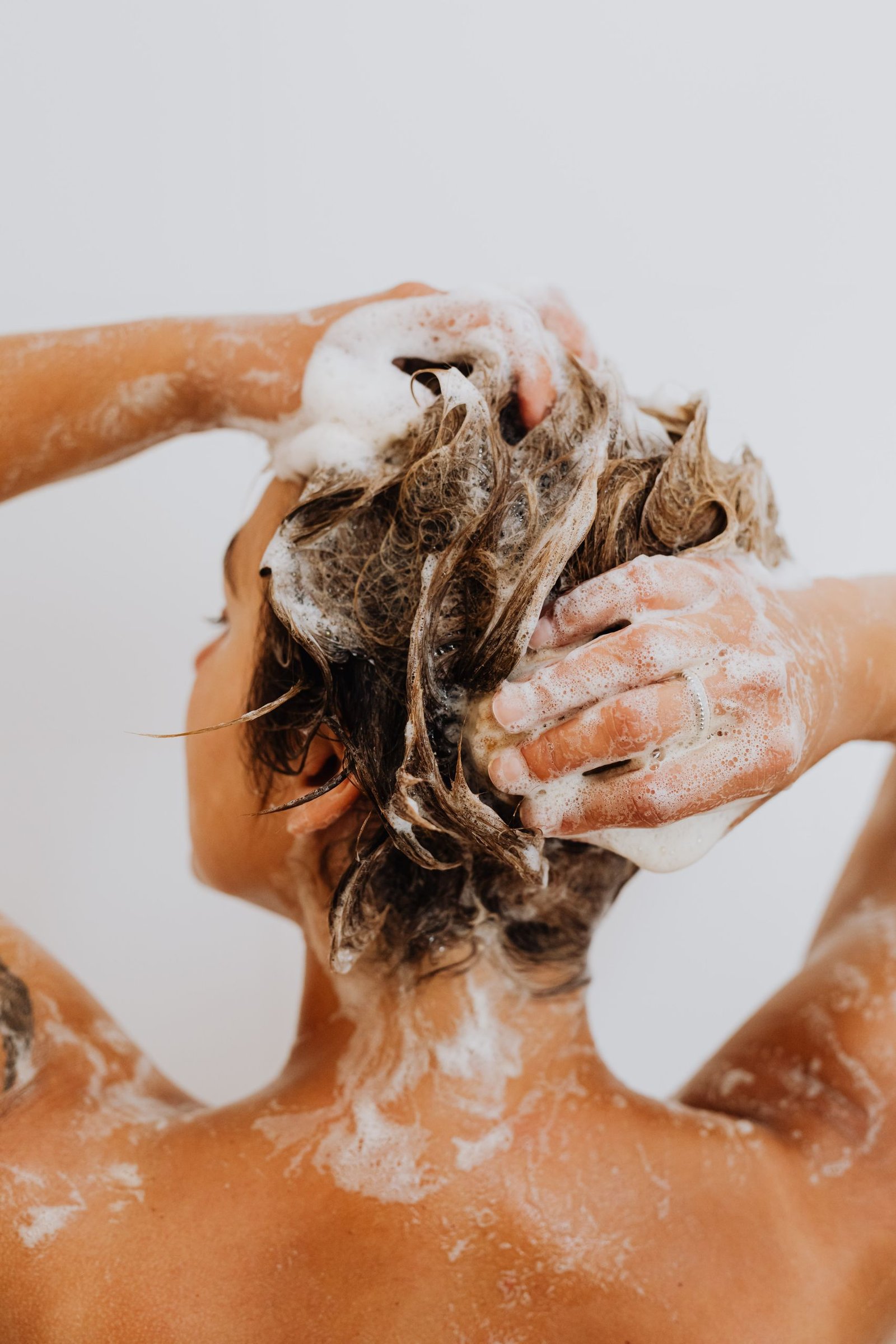
You did all the right things – dyed your hair, got the color-safe shampoo that claimed to take care of it, used it the right way, as per the instructions on the label, and in just about three weeks, the color seems to be acting up, turning out like an old photo of itself.
Now, the shampoo certainly didn’t do this to intentionally deceive you, but there lies something else – the disconnect between what the shampoo claims and what really takes place in those few minutes when it’s sitting on your hair.
This is also where most color disappointment takes root.
Your Cuticle Is Still Open, and Your Shampoo Doesn’t Care
Coloring forces the cuticle open. Chemically. On purpose. That’s how pigment gets inside the shaft. The problem is that the cuticle never fully closes back to its pre-color state. It sits there, slightly raised, permanently more porous, letting things in and out that shouldn’t be moving freely.
A color-protecting shampoo that washes and walks away has done the absolute minimum. The actually useful ones help that cuticle lie flatter during the wash itself. How? pH. A formula between 4.5 and 5.5 creates a mildly acidic environment, encouraging cuticle closure naturally. Most conventional shampoos land at pH 6 or higher, essentially leaving the door propped open while claiming to guard the house.
Flat cuticle means color molecules stay put. Light bounces off evenly, so the shade looks vibrant rather than muddy. If your color looks dull within twenty-four hours of washing, the pH of your color safe shampoo is almost certainly part of the problem.
Clean Hair and Moisturized Hair Are Not the Same Achievement
Getting rid of sulphates was smart. They’re aggressive enough to pull color out by force. But most formulas stopped at removing the bad ingredient without adding a good one in its place.
Color treated hair bleeds moisture through that permanently raised cuticle all day. A shampoo that avoids making this worse deserves mild credit. One that actively puts moisture back during the wash, through humectants like panthenol or glycerin that grab water and hold it inside the cortex after rinsing, that’s actually doing its job.
Quick test. Rinse out your shampoo. Skip the conditioner. How does the hair feel? Rough, squeaky, straw-adjacent? Your color safe shampoo is creating a moisture deficit, and the conditioner then has to scramble to fix it. That deficit didn’t need to happen.
Gentle Is Not the Same Word as Protective
A shampoo can be perfectly gentle with your color and still leave it completely exposed to everything that actually causes fade. Those are different concepts, and the industry treats them like they’re interchangeable.
UV radiation oxidizes the color pigment every time you walk outside. Hard water deposits calcium and magnesium on the shaft, which dulls the shade gradually. Heat tools accelerate the exact same oxidation that sunlight causes. A color safe shampoo addressing none of these threats is being polite to your hair while the weather, your water supply, and your flat iron take turns dismantling your color from different angles.
UV filters slow sun damage. Chelating agents like EDTA pull mineral deposits off during the wash. Vitamin E slows environmental oxidation generally. Two or three of these in one formula means the shampoo is actually standing guard. Zero means it’s watching from the sidelines.
Nobody Mentions Product Build-Up as a Color Problem
Styling products, dry shampoo, and conditioner that don’t rinse all of it completely accumulate into a film sitting between your actual color and the light trying to reach it. The pigment hasn’t faded. It’s buried under residue that makes everything look flat.
A properly built color safe shampoo handles this without needing a separate clarifying wash. The surfactant system has to balance being gentle enough for treated hair with being effective enough to remove build-up. Most products either protect color well and clean poorly or clean well and damage color while doing it.
Conclusion
Four things should happen after every wash. Cuticle closing. Moisture depositing. Color is getting actively protected. Build-up removed without collateral damage. Most color safe shampoo formulas handle one of those. Maybe two on a generous day. The rest gets quietly outsourced to products that weren’t designed to compensate for a shampoo not pulling its weight.
That fading you keep noticing? Probably not a color problem. Probably a shampoo problem wearing the color’s name tag.
The ingredient list knows the truth. The front label just knows how to make a good first impression.
