
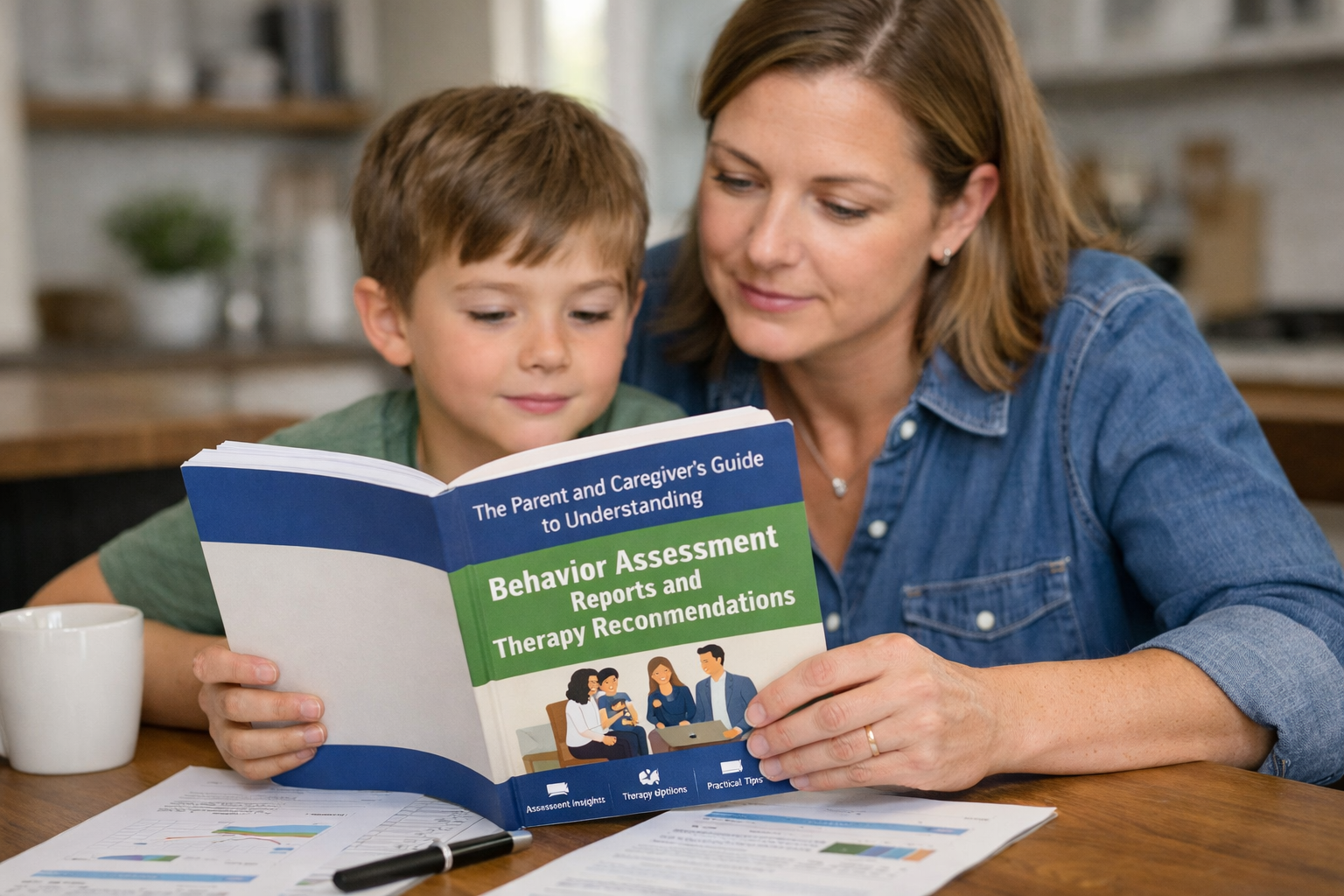
Behavior assessment is a critical tool in understanding, monitoring, and supporting individual behavior across a variety of settings, including educational, clinical, and organizational environments. It involves systematically observing, measuring, and analyzing behavior to determine patterns, triggers, and outcomes. The purpose of a behavior assessment is not merely to label or categorize behavior but to provide actionable insights that inform interventions, enhance learning, and promote positive outcomes. Professionals use behavior assessments to design personalized support strategies, identify potential challenges, and evaluate the effectiveness of interventions over time.
A well-executed behavior assessment provides a structured approach to understanding why individuals behave in particular ways. It allows educators, clinicians, and caregivers to identify antecedents, behaviors, and consequences, which are essential for developing effective intervention plans. By combining direct observation, interviews, standardized tools, and data analysis, behavior assessment offers a comprehensive view of an individual’s behavioral patterns and needs. Whether applied in schools to support students with special needs, in clinical settings to address behavioral disorders, or in workplaces to improve performance, behavior assessment serves as a foundation for informed decision-making and targeted support.
The Purpose and Importance of Behavior Assessment
Behavior assessment plays a vital role in identifying behavioral challenges, understanding their underlying causes, and planning appropriate interventions. It helps professionals determine whether behaviors are typical developmental responses, reactions to environmental factors, or symptoms of a more significant behavioral or psychological condition. For example, in educational settings, behavior assessment can identify students who require additional support, such as those with attention-deficit/hyperactivity disorder (ADHD), autism spectrum disorder, or learning-related challenges. In clinical contexts, behavior assessment aids in diagnosing behavioral disorders, monitoring progress, and evaluating the effectiveness of therapeutic interventions.
The importance of behavior assessment extends beyond problem identification. By understanding behavior in context, professionals can design individualized strategies that promote skill development, improve social interactions, and reduce maladaptive behaviors. Additionally, behavior assessment provides measurable data that supports evidence-based practice, enabling professionals to track progress objectively and make informed adjustments to intervention plans. In organizational settings, behavior assessment can inform training, performance evaluations, and employee support programs, leading to improved productivity, collaboration, and workplace satisfaction.
Key Components of a Behavior Assessment
A comprehensive behavior assessment includes multiple components that together provide a full understanding of an individual’s behavior. The core elements typically include direct observation, interviews, standardized assessments, and functional analysis.
Direct Observation
Direct observation involves systematically watching the individual in natural or structured settings to record specific behaviors, their frequency, duration, and intensity. Observers often use tools such as behavior checklists, rating scales, or frequency counts to ensure objective and consistent data collection. Observing behavior in context allows professionals to identify triggers, environmental influences, and patterns that might not be evident through self-report or retrospective analysis.
Interviews and Questionnaires
Gathering information from individuals, caregivers, teachers, or colleagues through interviews or questionnaires adds depth to the assessment. Interviews allow professionals to explore the history of behavior, environmental factors, and perceived triggers, while questionnaires provide standardized data that can be compared across populations. Combining multiple perspectives helps create a well-rounded understanding of behavior and ensures that interventions address all relevant factors.
Standardized Assessment Tools
Standardized tools and assessments are essential for measuring behavior in a reliable and valid manner. Instruments such as the Behavior Assessment System for Children (BASC), the Vineland Adaptive Behavior Scales, or the Functional Assessment Screening Tool provide quantifiable data that can be used to compare an individual’s behavior to normative samples. These tools help identify strengths, weaknesses, and areas requiring intervention while ensuring consistency across different evaluators and settings.
Functional Behavior Analysis
Functional Behavior Analysis (FBA) is a core component of behavior assessment. It identifies the relationship between antecedents (triggers), behaviors, and consequences to determine the function or purpose of a behavior. Understanding why a behavior occurs—whether to gain attention, avoid tasks, seek sensory stimulation, or fulfill another need—is critical for developing effective behavior support plans. Functional analysis guides intervention strategies by targeting the root cause rather than merely addressing symptoms.
Types of Behavior Assessment
Behavior assessment can be categorized into several types, each serving specific purposes depending on the context and goals of evaluation.
Formative Behavior Assessment
Formative behavior assessments are ongoing and conducted throughout an individual’s development or during an intervention program. They provide continuous feedback on progress, identify emerging challenges, and allow for adjustments to support strategies. In educational settings, formative behavior assessment helps teachers monitor student behavior, engagement, and response to interventions in real-time.
Summative Behavior Assessment
Summative behavior assessments are conducted at the conclusion of a program, intervention, or academic period. They evaluate overall outcomes, determine the effectiveness of interventions, and provide data for future planning. Summative assessments are critical for documenting progress, measuring goals achievement, and informing policy or programmatic decisions.
Diagnostic Behavior Assessment
Diagnostic behavior assessments aim to identify the presence of behavioral disorders or challenges. They typically involve a comprehensive evaluation that includes interviews, observations, and standardized testing. Diagnostic assessments help differentiate between developmental, psychological, or environmental factors influencing behavior and inform treatment planning or educational accommodations.
Functional Behavior Assessment
Functional behavior assessment focuses specifically on understanding the purpose or function of a behavior. It identifies triggers, antecedents, and consequences and is often used to develop behavior intervention plans for individuals exhibiting challenging behaviors. Functional assessments are particularly valuable in special education and clinical settings, as they guide targeted and effective interventions.
Benefits of Behavior Assessment
Behavior assessment provides numerous benefits for individuals, families, educators, and organizations. It facilitates early identification of behavioral challenges, enabling timely interventions that prevent escalation. Assessments support personalized strategies that consider individual needs, preferences, and environmental influences. Additionally, behavior assessment provides measurable data for tracking progress, evaluating intervention effectiveness, and ensuring accountability. In clinical settings, assessments can guide treatment planning, while in educational contexts, they help develop individualized education programs (IEPs) and behavior intervention plans (BIPs). Organizational behavior assessments support employee development, performance improvement, and workplace satisfaction.
Challenges and Considerations in Behavior Assessment
While behavior assessment offers substantial benefits, several challenges must be addressed to ensure accuracy and effectiveness. Bias in observation, reliance on self-report, and inconsistent data collection can compromise results. Cultural and contextual factors must be considered to avoid misinterpretation of behavior. Professionals conducting assessments require adequate training to apply tools correctly, interpret data accurately, and implement interventions ethically. In addition, obtaining informed consent and ensuring confidentiality are critical to protecting the rights of individuals being assessed. Despite these challenges, behavior assessment remains an invaluable tool when conducted systematically and ethically.
Implementing Behavior Assessment in Practice
Successful implementation of behavior assessment requires collaboration among professionals, caregivers, and the individual being assessed. Communication is essential for sharing findings, explaining intervention strategies, and providing ongoing support. In educational settings, collaboration between teachers, special education staff, and parents ensures consistent application of behavior support strategies. In clinical settings, coordination between therapists, psychologists, and families ensures interventions address all relevant factors. Using assessment data to inform practice allows for evidence-based decisions, continuous improvement, and the promotion of positive behavioral outcomes across contexts.
ConclusionBehavior assessment is an essential process for understanding, monitoring, and supporting individual behavior in diverse settings. By systematically observing and analyzing behavior, professionals can identify patterns, determine underlying causes, and design effective interventions. Comprehensive behavior assessment combines direct observation, interviews, standardized tools, and functional analysis to provide a detailed understanding of behavior. Whether in educational, clinical, or organizational contexts, behavior assessment informs decision-making, promotes positive outcomes, and supports individualized strategies that enhance performance, learning, and well-being. Implementing behavior assessment thoughtfully and ethically ensures that interventions are targeted, effective, and sustainable, ultimately contributing to improved quality of life and success for the individuals involved.
