
Managing a long-term health condition is rarely a short journey.
For many individuals and families, it involves ongoing appointments, medication management, lifestyle adjustments, and regular monitoring. Whether it’s diabetes, mobility challenges, chronic illness, or recovery after a serious medical event, long-term care requires consistency.
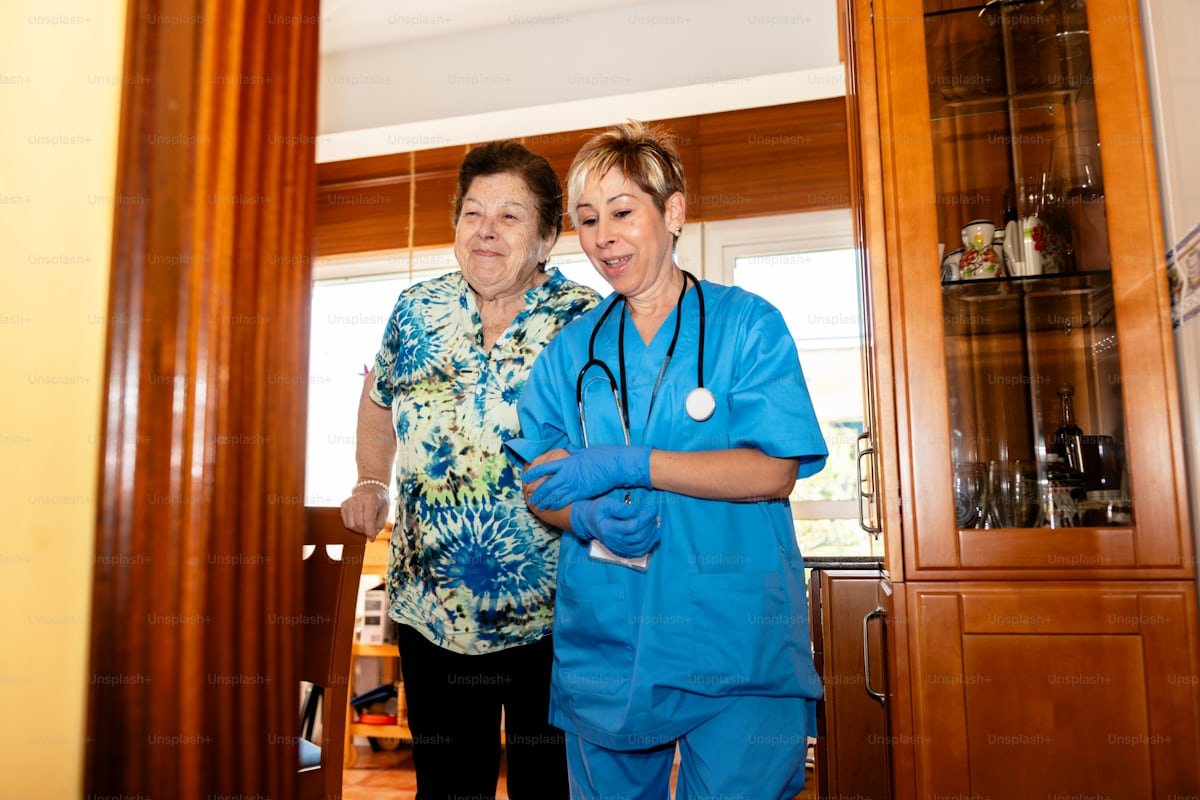
While hospitals and clinics play an important role, more people are discovering the value of receiving professional healthcare support in their own homes. Clinical nursing services delivered at home can bridge the gap between hospital treatment and everyday living — offering safety, comfort, and stability over time.
Let’s explore how in-home nursing support contributes to better long-term health management.
Familiar Surroundings Promote Comfort and Stability
There’s something powerful about being at home.
Home environments provide familiarity, emotional comfort, and a sense of control. For individuals managing long-term conditions, these factors can significantly influence wellbeing.
Hospitals are essential for acute care, but they are often fast-paced and clinical. At home, routines feel more natural. Daily habits — from meal times to sleep patterns — can remain consistent.
This stability matters, especially for individuals living with chronic illnesses or neurological conditions. A familiar setting reduces stress and supports mental health, which in turn affects physical health.
In healthcare research, it’s widely recognised that the environment plays a role in recovery and patient outcomes. According to general information about home care, in-home services allow individuals to receive professional medical support without leaving their community or disrupting their daily routines.
For long-term management, that continuity can make all the difference.
Personalised Care Tailored to Individual Needs
Long-term conditions are rarely identical from one person to another.
Two individuals with the same diagnosis may have completely different care requirements. That’s why personalised nursing support is so important.
Clinical nurses working in home settings can provide services such as:
- Wound care
- Medication administration
- Chronic disease monitoring
- Catheter care
- Diabetes management
- Post-surgical follow-up
- Mobility support and health assessments
The key advantage of home-based care is that it adapts to the individual’s living environment.
For example:
- A nurse can assess how a person moves around their kitchen and suggest safety improvements.
- Medication schedules can be aligned with daily routines.
- Family members can be involved in care discussions directly in the home.
This level of tailored attention enhances long-term adherence to treatment plans.
Reducing Hospital Readmissions
One of the major challenges in long-term health management is preventing avoidable hospital visits.
Without proper monitoring and early intervention, minor issues can escalate into emergencies.
Clinical nursing services at home provide consistent oversight. Nurses can detect subtle changes — swelling, wound deterioration, shifts in blood pressure, or behavioural changes — before they become critical.
Early detection enables timely treatment adjustments, reducing the likelihood of hospital readmissions.
This proactive approach benefits:
- Patients who avoid unnecessary stress
- Families who gain peace of mind
- The healthcare system, which reduces strain on hospital resources
Long-term health management works best when care is continuous rather than reactive.
Supporting Family Caregivers
Family members often play a major role in caring for loved ones with chronic conditions. While their support is invaluable, it can also be overwhelming.
In-home clinical nursing provides relief and guidance.
Professional nurses can:
- Teach family members safe care techniques
- Offer advice on symptom management
- Provide reassurance during uncertain situations
- Step in for complex medical tasks
This partnership reduces caregiver burnout and ensures that medical needs are handled safely.
For example, a family member may feel anxious about dressing a complex wound. With clinical guidance, that task becomes less intimidating — and the patient benefits from consistent, proper care.
Long-term health management is rarely a solo effort. It works best when professional support complements family involvement.
Maintaining Independence and Dignity
One of the most meaningful benefits of receiving clinical support at home is the preservation of independence.
Many individuals worry that ongoing medical needs might require relocation to residential facilities. In-home nursing services help extend the ability to live independently for as long as possible.
By addressing medical needs directly in the home, individuals maintain:
- Control over their daily schedule
- Familiar social connections
- Access to personal belongings and routines
- A sense of autonomy
Independence contributes to emotional wellbeing, which is closely linked to overall health.
Midway through exploring support options, families often consider services such as clinical nursing support at home to better understand how structured community nursing programs can be integrated into long-term care plans.
Access to qualified professionals without leaving home can be empowering.
Long-Term Management of Chronic Conditions
Chronic conditions such as diabetes, cardiovascular disease, respiratory disorders, and neurological conditions require ongoing monitoring and lifestyle adjustments.
Clinical nurses in home settings can help manage:
- Blood sugar monitoring
- Medication adjustments
- Respiratory treatments
- Wound management for pressure injuries
- Pain management strategies
Consistency is critical.
For example, someone managing diabetes benefits from regular blood glucose checks and medication oversight. A nurse can ensure treatment plans remain on track and coordinate with doctors when changes are needed.
This ongoing collaboration supports stability rather than crisis management.
A Collaborative Healthcare Approach
Clinical nursing support at home doesn’t replace doctors or specialists. Instead, it complements them.
Nurses act as a bridge between hospital-based care and daily living. They communicate with healthcare teams, report changes, and ensure treatment plans are implemented effectively.
This integrated approach strengthens long-term outcomes.
Just as in business, where teams collaborate across departments to achieve goals, healthcare works best when communication flows smoothly between providers, patients, and families.
Home-based nursing becomes a key link in that chain.
A Practical and Compassionate Solution
Long-term health management requires more than prescriptions and appointments. It requires steady support, emotional reassurance, and consistent monitoring.
Clinical nursing services delivered at home offer:
- Personalised medical attention
- Reduced hospital visits
- Support for family caregivers
- Preservation of independence
- Continuity of care
For individuals living with ongoing health conditions, that combination provides both practical and emotional benefits.
Healthcare is most effective when it meets people where they are — not just physically, but personally.
And for many, receiving professional nursing care in the comfort of home is one of the most compassionate and sustainable ways to manage long-term health.
