
Picture this: it’s Friday night, the popcorn is ready, and your family gathers in the living room for a movie marathon. But within minutes, someone’s complaining about a blocked view, the kids are fighting over the “good seat,” and your back is already aching from that old couch. Sound familiar? Creating a home theater that works for everyone in your household is more than just picking a screen and pressing play—it starts with the seating arrangement beneath you.
Choosing the best home theater seating involves balancing comfort, space constraints, and the unique demands of your family. Whether you have toddlers who need safe, spill-proof surfaces or teenagers glued to their devices, the right setup transforms chaotic movie nights into cherished traditions. This guide walks you through every step of the process, from assessing your room and selecting family-friendly seats to arranging rows for optimal viewing angles and integrating modern convenience features. By the end, you’ll have a clear blueprint for building a home theater space that keeps every family member comfortable, engaged, and eager for the next screening.
Assessing Your Home Theater Space and Family Needs
Before you browse catalogs or click “add to cart,” grab a tape measure and spend time understanding your room. Every successful home theater installation begins with honest spatial assessment. Measure the length, width, and ceiling height of your dedicated space, noting doorways, windows, and electrical outlets that could influence furniture placement. Sketch a rough floor plan—even on graph paper—to visualize how seating might flow within the room’s natural boundaries.
Next, think about who will actually use this space. A family with three young children has vastly different needs than a household with teenagers and grandparents. Consider how many people will typically watch together, whether anyone has mobility concerns requiring wider aisles, and how your family actually watches—do you host neighborhood movie nights or keep it intimate? Age ranges matter too: toddlers need floor-level safety considerations, while older adults benefit from seats that are easy to enter and exit. Factor in your viewing habits as well. Binge-watchers need superior long-session comfort, while casual viewers might prioritize flexible arrangements that serve multiple purposes. Document these requirements before moving forward, because the best home theater seating is the setup designed around your family’s real life, not a showroom fantasy.
Selecting the Best Home Theater Seating for Families
Once you understand your space and family dynamics, it’s time to choose seating that genuinely fits both. The best home theater seating for families strikes a balance between durability, comfort, and style—without sacrificing practicality. Start by considering the main seating types. Traditional sofas offer casual, flexible seating where kids can curl up together, but they lack the immersive feel of dedicated media room seating. Recliners deliver individual comfort with adjustable positions, though they consume more floor space per person. Modular units split the difference beautifully: you can rearrange sections for movie night, then reconfigure them for game day or a playdate.
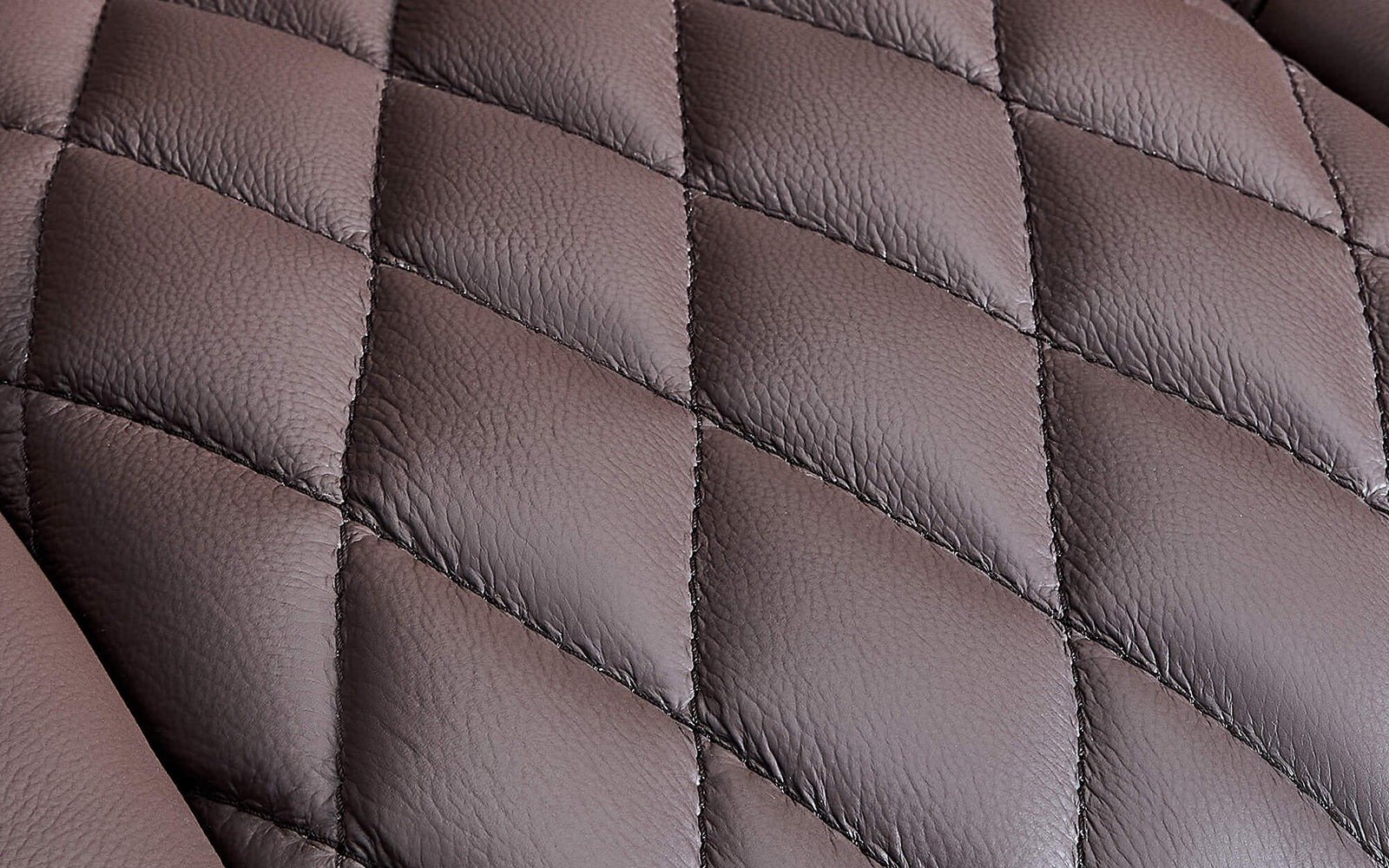
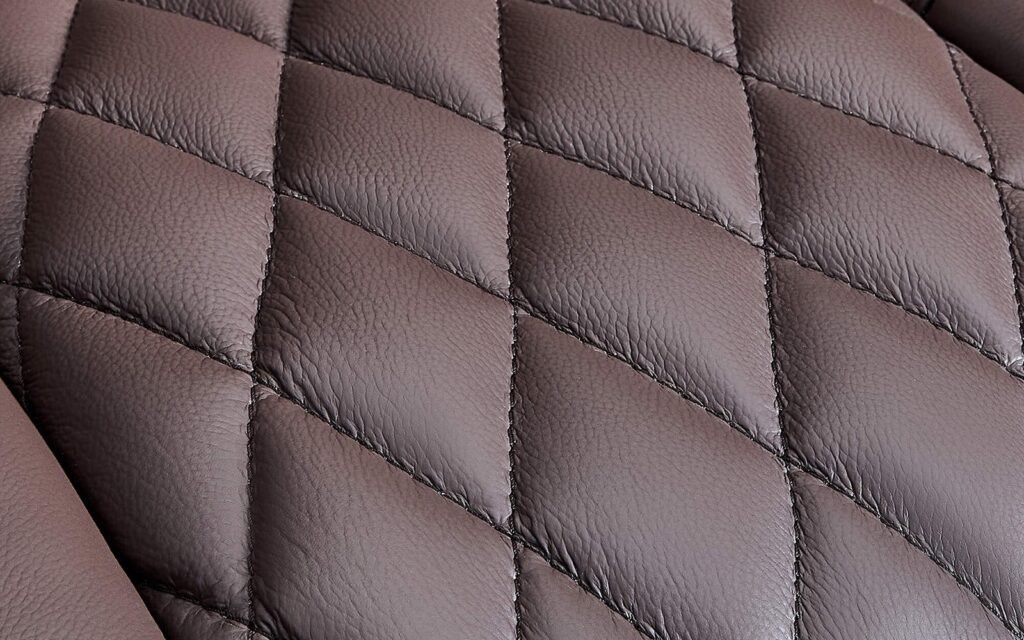
Family-friendly seating demands materials that survive real life. Look for performance fabrics or top-grain leather that resist spills, stains, and the general chaos children bring. Rounded edges and sturdy frames add a layer of safety for younger kids who treat furniture like a jungle gym. Ergonomic design matters more than most families realize—proper seat depth, supportive cushioning, and well-angled backrests prevent the fatigue and soreness that cut movie marathons short. When evaluating options from home goods retailers like Comfiroom or other specialty suppliers, keep your budget realistic but prioritize longevity; cheaper seats that wear out in two years cost more over time than a quality set built to last a decade.

Exploring Row Seating Configurations
Row seating brings that authentic cinema atmosphere into your home, but it works best when matched to your room and family size. A single straight row suits smaller rooms and families of three to four, keeping everyone at an equal distance from the screen. For larger families or those who frequently host guests, a two-row setup with the back row elevated on a simple riser—even six to eight inches—ensures unobstructed sightlines for everyone. Curved row configurations are another option worth exploring, as they angle end seats slightly toward the screen center, reducing the neck strain that comes from sitting at sharp off-axis positions. The tradeoff with multiple rows is space: you’ll need adequate clearance between rows so people in front can recline without bumping knees behind them. As a general rule, leave at least 36 inches of clearance between the back of the front row and the front edge of the second row to allow comfortable passage and leg room.
Essential Features for Modern Family Seating
Today’s home theater seats go well beyond simple cushions and armrests. USB charging ports built into armrests keep devices powered during long viewing sessions—a feature teenagers and adults alike will quietly appreciate. Integrated cup holders prevent the spilled-drink disasters that plague family movie nights, and hidden storage compartments in armrests or between seats give you a place to stash remotes, blankets, and snacks. Ergonomic design features such as adjustable headrests, power lumbar support, and smooth recline mechanisms let each family member customize their position without disturbing anyone else. When comparing products, use a simple checklist: does the seat offer adequate head and lumbar support, are the recline controls accessible to older children and adults with limited mobility, does the upholstery meet your durability needs, and do the built-in features match how your family actually watches? Prioritizing these practical elements over flashy aesthetics ensures your investment serves the whole household for years to come.

Optimal Arrangement for Row Seating and Viewing Angles
Getting the right seats is only half the battle—where you place them determines whether your family actually enjoys the experience. Proper arrangement eliminates neck craning, eye strain, and the frustrating “I can’t see” complaints that derail movie nights. Start with your screen as the anchor point. The center of the screen should sit at or slightly below seated eye level, which typically means mounting it so the middle lands about 42 inches from the floor for standard seating heights. If your back row is elevated on a riser, adjust accordingly so those viewers look slightly downward rather than upward at the display.
Spacing between rows deserves careful attention. Position your front row so viewers aren’t overwhelmed by the screen, then place the second row far enough back to maintain comfortable sightlines over the heads of those in front. Stagger seats slightly when possible—offset the back row so each person looks between the heads ahead rather than directly behind someone. This simple shift eliminates the need for extreme risers in rooms with limited ceiling height. For side-to-side positioning, keep your outermost seats within a 30-degree angle from the screen’s center. Beyond that angle, image quality degrades noticeably on most displays, and viewers must turn their heads uncomfortably to follow the action.
Calculating Ideal Viewing Distances and Angles
A reliable starting formula ties viewing distance to screen size. For 4K displays, seat your front row at a distance of 1 to 1.5 times the screen’s diagonal measurement—so a 75-inch screen calls for a front row roughly 75 to 112 inches away. The back row can extend to about twice the diagonal before detail becomes difficult to appreciate. For children who are shorter, consider slightly lower seat cushions in the front row or adjustable headrests that let them sit upright with clear sightlines. Taller family members naturally fit better in back rows where elevated positioning compensates for distance. Test your arrangement before finalizing by having each family member sit in their likely spot and confirm they can see the full screen without shifting their posture. Make small adjustments—even two or three inches forward or a slight seat angle change—until every position feels natural and strain-free.
Integrating Ergonomic Design and Convenience Features
Ergonomic design isn’t just a buzzword—it’s the difference between a family that watches one movie and calls it quits versus one that settles in for a comfortable double feature. The human body wasn’t built to sit motionless for hours, so your seating needs to actively support healthy posture throughout extended viewing sessions. Look for seats with built-in lumbar support that maintains the natural curve of the lower spine, preventing the slouching that leads to stiffness and pain. Adjustable headrests accommodate different heights within your family, letting a five-foot-tall teenager and a six-foot parent both rest their heads properly without craning or slumping.
Recline mechanisms should operate smoothly and quietly—a loud mechanical clunk during a tense movie scene ruins the atmosphere for everyone. Power recline options let family members find their perfect angle with minimal effort, which is especially helpful for older relatives or anyone with joint issues. Breathable fabrics like ventilated leather or moisture-wicking performance textiles prevent the uncomfortable heat buildup that makes people fidgety during summer screenings. For tech integration, USB charging ports positioned within arm’s reach eliminate the tangle of extension cords across walkways, keeping the space safe for children moving in the dark. Maintain your seating by vacuuming crevices monthly, conditioning leather quarterly, and tightening any hardware on recline mechanisms every few months. For households with young children, verify that power recline units include pinch-protection sensors and that cup holders are deep enough to prevent tipping—small details that protect little fingers and your upholstery alike.
Step-by-Step Home Theater Installation and Final Setup
With your seating selected and layout planned, it’s time to bring everything together through a methodical home theater installation process. Start by clearing the room completely—remove existing furniture, vacuum the floor, and mark your planned seat positions with painter’s tape. This visual guide prevents costly repositioning after heavy furniture is already in place. If you’re using a riser for a back row, build or install it first, ensuring it’s level and securely anchored to the floor to prevent any shifting when the family settles in.
Unpack and assemble each seating unit according to the manufacturer’s instructions, checking all hardware for tightness before moving pieces into position. Begin with the front row, aligning the center seat directly with the screen’s midpoint, then work outward and backward. Once seats are positioned, run a safety check: confirm that recline mechanisms extend fully without hitting walls or other rows, verify that walkways between rows maintain at least 36 inches of clearance, and ensure no seat blocks a doorway or emergency exit path. For cable management, route USB charging cables and power cords along baseboards or through built-in channels to keep floors clear—this is especially critical in darkened rooms where children move between seats. Test every feature at each position, from power recline to lighting and cup holder accessibility. If something feels off, adjust now rather than later. Common issues include back-row viewers finding the screen partially blocked, which a slight seat offset or one-inch riser adjustment typically solves, and recliners that extend into walkways, which may require nudging the entire row forward a few inches. Finally, gather the whole family for a test screening, letting everyone settle into their preferred spots and voice any concerns before you declare the setup complete.
Creating Your Family’s Perfect Movie Night Setup
Building the best home theater seating arrangement for your family comes down to a thoughtful, step-by-step approach. It starts with honestly assessing your room’s dimensions and your family’s unique needs—from the ages of your children to mobility considerations for older relatives. From there, selecting family-friendly seating that balances durability, ergonomic design, and practical features like USB charging and spill-resistant materials ensures your investment holds up to real daily life. Arranging those seats with careful attention to viewing distances, sightlines, and row spacing turns a good setup into a great one where nobody misses a moment of the action. Finally, a methodical home theater installation process—complete with safety checks, cable management, and a family test run—brings everything together into a space that truly works.
A well-planned home theater does more than deliver better picture and sound. It creates a gathering place where your family disconnects from the outside world and reconnects with each other, one movie night at a time. Take the guidelines from this article, adapt them to your household’s rhythms, and start building that space this weekend. The best seat in the house is the one your whole family fights a little less over—and enjoys a whole lot more together.
