
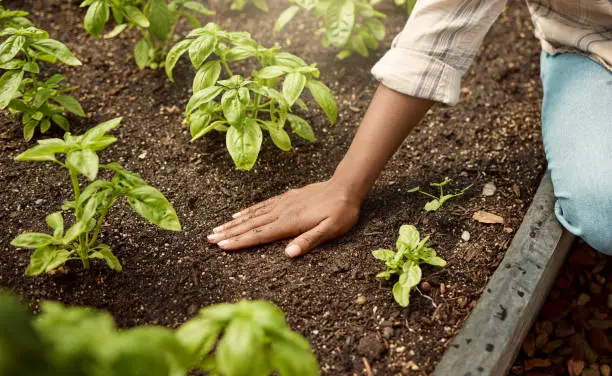
If you’ve ever tried growing plants—whether it’s a few herbs on your kitchen counter or a full backyard garden—you’ve probably noticed that results can vary a lot. Some plants thrive effortlessly, while others struggle no matter how much care you give them.
The difference often comes down to one simple thing: using the right gardening solutions.
It’s not about having a green thumb or years of experience. It’s about understanding what your plants need and choosing the right tools and products to support them. When you get that balance right, everything changes—your plants grow stronger, your soil becomes healthier, and gardening becomes far more enjoyable.
Let’s walk through how this works in real life.
Healthy Soil Is the Foundation of Everything
Before you think about watering schedules or plant varieties, it all starts with soil. Soil isn’t just dirt—it’s a living system filled with nutrients, microorganisms, and organic matter that support plant growth.
In many ways, soil is like the foundation of a house. If the foundation isn’t strong, everything built on top of it will struggle.
For example, if your soil is too compact, roots can’t spread properly. If it drains too quickly, plants won’t get enough moisture. And if it lacks nutrients, growth will be slow and weak.
This is why many gardeners—and even professionals in agriculture and landscaping—focus heavily on improving soil first. Adding compost, organic matter, or soil conditioners can dramatically improve structure and fertility.
In commercial farming, soil health is directly linked to crop yield. In-home gardening determines whether your plants simply survive or truly thrive.
Understanding how soil works helps you make smarter choices about what your garden actually needs.
Choosing the Right Products for Different Plant Needs
Once your soil is in good shape, the next step is supporting your plants with the right products. This is where many people feel overwhelmed—there are so many options, and it’s not always clear what they do.
The key is to keep things simple.
Different plants have different needs. Leafy plants like lettuce or spinach often need more nitrogen to grow lush foliage. Flowering plants need nutrients that support blooms, while fruiting plants require a balanced mix to produce healthy crops.
Think of it like nutrition for people. A balanced diet looks different depending on your lifestyle. Plants are no different—they need specific nutrients at the right time.
There are also different types of gardening solutions to consider:
- Fertilisers to provide essential nutrients
- Potting mixes for container plants.
- Mulch to retain moisture and regulate temperature
- Soil conditioners to improve structure
- Pest control solutions to protect plant health
For example, someone growing indoor plants in pots will benefit from a high-quality potting mix that drains well and supports root growth. On the other hand, a homeowner maintaining a lawn might focus more on fertilisers and soil enhancers.
In landscaping projects, professionals often combine several of these solutions to create long-lasting, low-maintenance green spaces. The same principles can easily be applied to your own garden at home.
Water, Mulch, and Moisture Control
One of the most common gardening mistakes is improper watering. Too much water can lead to root rot, while too little can cause your plants to dry out.
This is where the right gardening solutions can make a huge difference.
Mulch, for instance, is one of the simplest yet most effective tools you can use. It acts like a protective blanket over your soil, helping to:
- Reduce water evaporation
- Keep soil temperature stable.
- Prevent weeds from taking over.
You’ve probably seen mulch used in parks, commercial properties, and roadside landscaping. It’s widely used because it works—and it reduces maintenance over time.
Water-retaining soil mixes are another helpful solution, especially in hotter climates. They help hold moisture longer, meaning you don’t have to water as often.
In industries like horticulture and nursery management, controlling moisture levels is critical. Plants are often grown in carefully designed environments where water, nutrients, and airflow are all balanced.
At home, you don’t need anything that complex. But using the right products can help you achieve similar results on a smaller scale.
Protecting Your Garden from Pests and Problems
Even with great soil and proper care, pests and plant diseases can still show up. It’s a natural part of gardening—but how you handle it makes all the difference.
Early signs of trouble might include:
- Yellowing leaves
- Holes or bite marks
- Sticky residue on plants
- Slow or stunted growth
There are many ways to manage these issues, and not all of them involve harsh chemicals.
Natural solutions like neem oil or insecticidal soap are popular for home gardens because they’re safer for people, pets, and beneficial insects. These methods are often enough to handle common pests such as aphids and mites.
For larger gardens or commercial operations, stronger treatments may be used, but always with care and proper application.
Prevention is just as important as treatment. Healthy plants grown in nutrient-rich soil are naturally more resistant to pests and diseases. Good airflow, proper spacing, and regular inspection all help keep your garden healthy.
If you’re exploring different options to improve plant health and soil quality, you can learn more about Searles gardening solutions and see how various products support different gardening needs.
Building a Simple Routine That Works
You don’t need a complicated system to see great results. In fact, the most successful gardeners often follow simple, consistent routines.
Here’s an example of a practical approach:
- Check your soil regularly—does it feel dry, compact, or too wet?
- Feed your plants based on their growth stage.
- Apply mulch to protect and improve soil conditions.
- Keep an eye out for early signs of pests or disease.
This kind of routine works across many settings—from home gardens to professional landscaping projects.
It’s similar to maintaining anything else in life. Small, consistent efforts lead to better long-term results.
The Bigger Impact of Better Gardening Choices
When you use the right gardening solutions, the benefits go beyond just healthier plants.
A well-maintained garden can:
- Improve air quality
- Reduce heat around your home.
- Create a relaxing and enjoyable outdoor space.
- Increase property appeal
In larger industries, these choices can also affect sustainability, resource use, and overall productivity.
But even on a small scale, the impact is meaningful. There’s something rewarding about seeing plants grow strong and healthy because of the care and decisions you’ve made.
Final Thoughts
Gardening doesn’t have to be complicated or overwhelming. When you focus on the basics—healthy soil, proper nutrients, moisture control, and pest management—you create the right environment for plants to thrive.
The key is choosing solutions that match your specific needs and using them consistently.
Start with your soil. Observe your plants. Make small adjustments along the way.
Over time, you’ll notice the difference—not just in how your garden looks, but in how confident you feel taking care of it.
Because in the end, great gardening isn’t about doing everything perfectly. It’s about understanding what works and letting nature do the rest.
