
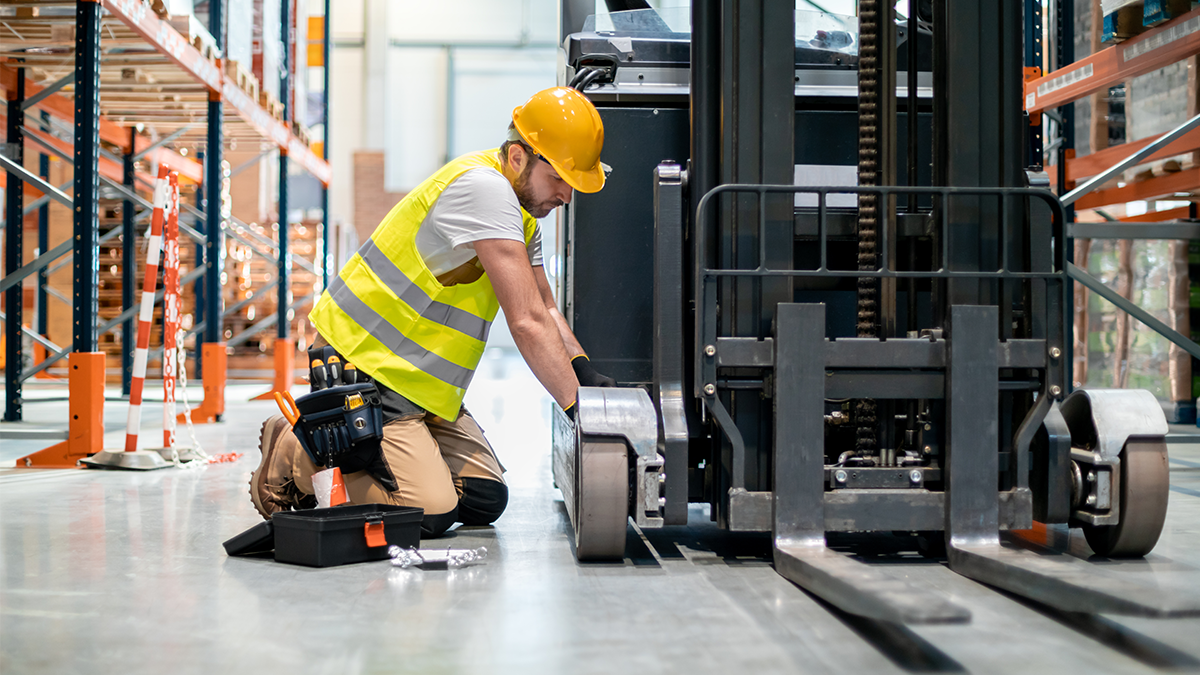
Introduction to Forklift Service
In any warehouse, distribution center, or industrial setting, the importance of maintaining equipment cannot be overstated. Among all material handling machines, forklifts play a critical role in ensuring smooth and efficient operations. However, despite their durability and robust design, forklifts require regular attention to operate safely and efficiently. This is where a comprehensive forklift service program becomes indispensable. Proper service routines not only extend the lifespan of the equipment but also significantly reduce downtime, operational costs, and safety hazards. Understanding the components, procedures, and benefits of forklift service is essential for anyone responsible for managing industrial operations or fleet management.
Understanding Preventive Forklift Service
Preventive forklift service refers to the systematic inspection, maintenance, and repair of forklifts before issues escalate into major problems. Unlike reactive maintenance, which addresses problems only after they occur, preventive service focuses on early detection and correction. This approach ensures that forklifts operate at peak performance while minimizing the risk of unexpected breakdowns. A typical preventive forklift service includes checking critical components such as hydraulic systems, brakes, tires, steering mechanisms, electrical systems, and safety devices. By proactively addressing potential failures, businesses can avoid costly emergency repairs and maintain operational continuity. Furthermore, preventive maintenance contributes to compliance with safety regulations and reduces liability risks for companies operating heavy machinery.
Key Components of a Forklift Service
A thorough forklift service examines multiple critical areas of the machine to ensure safe and efficient performance. One of the primary focuses is the engine or motor, which may require oil changes, filter replacements, and performance testing. Hydraulic systems are another crucial area, as leaks or pressure drops can impair lifting capacity and overall safety. Brakes, wheels, and tires also demand regular inspection because their condition directly affects handling and stopping ability. Electrical systems, including batteries and wiring, must be monitored to prevent power failures or unexpected shutdowns. Additionally, mast chains, forks, and safety interlocks require careful evaluation to ensure they meet operational standards. Each component is interconnected, meaning a failure in one area can compromise the entire machine’s functionality, making comprehensive forklift service essential.
Benefits of Regular Forklift Service
Investing in regular forklift service provides tangible benefits for both operational efficiency and long-term cost savings. Firstly, scheduled maintenance reduces the likelihood of sudden equipment failure, which can halt production and lead to missed deadlines. Reliable forklifts also enhance workplace safety, as properly maintained machines are less likely to cause accidents or injuries. From a financial perspective, preventive service minimizes emergency repair costs, extends equipment lifespan, and preserves resale value. In addition, a well-maintained fleet operates more efficiently, using less energy or fuel per task and reducing overall operational costs. Employees also benefit, as a consistently functioning machine increases productivity, reduces frustration, and creates a more predictable workflow. Ultimately, the advantages of forklift service extend beyond maintenance alone, contributing to a safer, more efficient, and cost-effective industrial operation.
Common Forklift Service Procedures
The procedures involved in forklift service are designed to address both mechanical and operational aspects of the equipment. One of the initial steps is a detailed inspection of the engine or motor, ensuring that oil levels, filters, belts, and cooling systems are in optimal condition. Next, technicians assess the hydraulic system for leaks, proper pressure, and fluid quality, which directly affects lifting and maneuvering efficiency. Brakes, wheels, and tires undergo thorough examination, including tread depth checks, brake pad wear, and alignment tests. Electrical systems are tested to confirm battery health, charging capabilities, and wiring integrity. Safety features, including seat belts, horns, and emergency stop functions, are also verified to ensure compliance with regulations. Some services extend to load testing and calibration, confirming that forklifts can handle their rated capacity safely. Each step in a professional forklift service is interconnected, emphasizing a holistic approach to maintaining machinery in peak condition.
Signs That a Forklift Needs Immediate Service
Even with preventive maintenance programs, certain signs indicate that a forklift may require immediate attention. Unusual noises from the engine or hydraulic systems, slow or uneven lifting, and difficulty in steering or braking are all red flags. Leaks, either oil or hydraulic fluid, suggest worn seals or damaged components that could worsen if left unaddressed. Electrical problems, such as failure to start or inconsistent battery performance, also necessitate prompt service. Ignoring these warning signs can result in sudden equipment failure, costly repairs, and workplace accidents. Regularly scheduled forklift service helps detect these issues early, but operators should remain vigilant for any abnormal behavior that signals an immediate need for maintenance.
Choosing the Right Forklift Service Provider
Selecting a qualified forklift service provider is as crucial as the service itself. A reputable provider employs experienced technicians who understand the intricacies of different forklift models, including electric, diesel, and LPG-powered machines. The service should follow a structured maintenance schedule, provide detailed reports, and use genuine replacement parts to ensure reliability. Many providers also offer flexible service plans tailored to the operational needs and budget of the business, whether it involves routine inspections, emergency repairs, or comprehensive preventive programs. Communication and transparency are key factors, as operators need to understand what has been serviced, what requires attention, and how the service contributes to overall equipment performance. Choosing the right provider ensures that forklifts remain operational, safe, and efficient over the long term.
Implementing an Effective Forklift Service Schedule
Establishing a consistent forklift service schedule is fundamental for maximizing equipment lifespan and maintaining operational efficiency. The frequency of service depends on usage intensity, the environment in which forklifts operate, and manufacturer recommendations. Heavy-use forklifts in industrial or high-volume warehouses may require more frequent checks, whereas machines with lighter workloads might follow a less intensive schedule. Each service interval should include thorough inspections, necessary repairs, lubrication, cleaning, and testing of critical components. Maintaining detailed service records is equally important, as these documents help track maintenance history, plan future service, and provide evidence of regulatory compliance. An effective schedule balances preventive maintenance with operational needs, minimizing downtime while ensuring the forklifts remain safe and fully functional.
The Role of Technology in Forklift Service
Modern technology has transformed forklift service, enabling more accurate diagnostics, predictive maintenance, and efficient repairs. Advanced sensors, telematics, and fleet management software allow operators and service providers to monitor forklift performance in real time. Data on engine hours, lifting cycles, battery health, and operational stresses help identify potential issues before they become critical. Predictive maintenance, supported by this technology, optimizes service intervals and ensures resources are allocated efficiently. Additionally, digital records and reporting streamline communication between operators, supervisors, and service technicians, enhancing overall maintenance efficiency. Integrating technology into forklift service programs ensures that fleets operate safely, cost-effectively, and with minimal disruption to workflow.
Conclusion
A well-structured forklift service program is a cornerstone of industrial efficiency, workplace safety, and long-term cost management. From preventive inspections and detailed component checks to emergency repairs and technological integration, every aspect of service contributes to reliable forklift performance. Regular maintenance extends equipment lifespan, reduces operational costs, and protects employees from avoidable accidents. By understanding the key components, procedures, and benefits of forklift service, businesses can optimize their material handling operations, minimize downtime, and ensure that forklifts consistently perform at their best. Investing in professional, systematic forklift service is not merely a matter of convenience; it is a strategic approach that safeguards both equipment and productivity, reinforcing the foundation of efficient industrial operations.
