
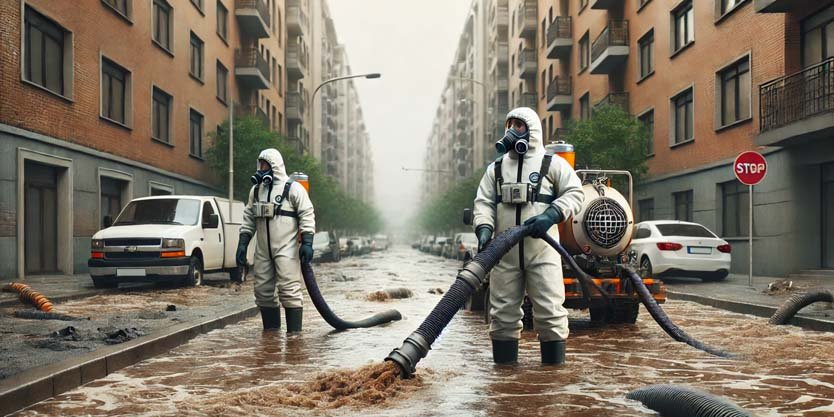
Sewer systems are among the most critical components of modern infrastructure, yet they often operate unnoticed until a problem arises. Proper maintenance and prompt cleanup of sewage-related incidents are essential to protect public health, preserve the integrity of plumbing systems, and prevent long-term environmental damage. Sewer cleanup involves the removal of wastewater, solid waste, and potentially hazardous materials that accumulate due to blockages, backups, or structural failures. Unlike routine cleaning, sewer cleanup addresses urgent problems that can pose immediate health risks, making the process both technical and highly specialized.
Understanding sewer cleanup requires a multi-faceted approach, including knowledge of sanitation principles, safety protocols, specialized equipment, and regulatory compliance. By examining the causes of sewer issues, techniques for remediation, and strategies for preventing future problems, this guide provides a complete overview for homeowners, facility managers, and municipal maintenance personnel who are responsible for ensuring the proper function of sewage systems.
The Importance of Sewer Cleanup
Sewers are designed to transport wastewater from homes, businesses, and industrial facilities to treatment plants, where harmful substances are neutralized before water is released back into the environment. When a sewer system malfunctions, untreated wastewater can overflow into streets, basements, or commercial properties. Such incidents are not only inconvenient but also extremely dangerous. Sewage contains pathogens, bacteria, viruses, and chemical contaminants that can cause severe illnesses ranging from gastrointestinal infections to skin diseases.
Effective sewer cleanup restores the sanitation and safety of affected areas. Beyond immediate health concerns, timely intervention prevents secondary issues such as structural damage, mold growth, and long-term contamination of soil and groundwater. In addition, proper cleanup helps municipalities maintain regulatory compliance, as environmental agencies often impose fines for untreated sewage spills that remain unaddressed for extended periods.
Cleanup procedures are complex because sewage is a mixture of liquids, solids, and potentially toxic substances. Professionals conducting sewer cleanup must employ rigorous safety measures, including the use of personal protective equipment (PPE), sanitation chemicals, and specialized machinery, to reduce exposure to harmful pathogens while efficiently restoring the affected area.
Common Causes of Sewer Problems
Sewer issues that necessitate cleanup typically stem from a combination of natural, mechanical, and human factors. Understanding the root causes allows for better prevention and targeted remediation. The most common sources include:
- Blockages: Debris, grease, tree roots, and foreign objects can accumulate inside pipes, restricting flow and causing backups. Even small obstructions can escalate into major problems if left untreated. Blockages are among the leading causes of localized sewage spills in residential and commercial areas.
- Pipe Deterioration: Over time, sewer pipes can develop cracks, corrosion, or collapses due to aging materials, chemical corrosion, or shifting soil. Structural failure often leads to leaks or complete overflow events that require immediate attention.
- Heavy Rainfall and Flooding: Combined sewer systems that handle both stormwater and wastewater are susceptible to overflow during heavy rain. Flooding can overwhelm pipes, causing sewage to back up into streets, basements, and low-lying areas.
- Industrial and Chemical Discharges: In commercial or industrial zones, inappropriate disposal of chemicals and solids can clog pipes or corrode sewer infrastructure, increasing the risk of system failure.
- Human Error: Improper flushing of non-biodegradable items, such as wipes, diapers, or sanitary products, often leads to blockages. Education and preventative maintenance can reduce these incidents significantly.
Recognizing these causes allows municipalities and property owners to implement proactive measures, such as routine inspections, scheduled cleaning, and community education on proper disposal practices.
Safety Measures and Health Considerations
Sewer cleanup is inherently hazardous because sewage contains numerous pathogenic microorganisms capable of causing serious illness. Professionals involved in cleanup operations must strictly adhere to safety protocols to minimize exposure. Protective clothing typically includes gloves, rubber boots, full-body suits, and face shields to prevent direct contact with contaminated water and surfaces. In situations where airborne contaminants are present, respiratory protection becomes critical.
Sanitation and disinfection are essential steps following any sewer overflow. Surfaces, pipes, and equipment exposed to sewage must be treated with appropriate disinfectants to eliminate bacteria, viruses, and fungi. Failure to do so can result in persistent contamination, leading to secondary health hazards or mold proliferation in buildings. Additionally, sewage gases, including methane and hydrogen sulfide, pose explosive and toxic risks, emphasizing the need for proper ventilation and gas monitoring during cleanup operations.
Beyond immediate hazards, sewer cleanup in Henderson requires careful handling of wastewater and solids to prevent environmental contamination. Improper disposal of sewage into natural water sources, soil, or storm drains can have long-term consequences on ecosystems and public water quality.
Methods and Equipment Used in Sewer Cleanup
Sewer cleanup employs a combination of mechanical, chemical, and manual techniques, depending on the severity of the problem and the type of sewer system. Professionals often use advanced equipment to ensure efficiency and safety while minimizing disruption to the surrounding area.
High-Pressure Water Jetting
High-pressure water jetting is a widely used method for clearing blockages and washing away accumulated debris inside sewer pipes. Specialized nozzles direct powerful streams of water to dislodge grease, roots, and solid waste. This technique is highly effective for long pipelines and can reduce the need for mechanical excavation, preserving existing infrastructure while restoring proper flow.
Vacuum Trucks
Vacuum trucks, also known as “suction trucks” or “vacuum tankers,” are essential for removing wastewater, sludge, and solids from blocked or flooded sewer systems. These vehicles use powerful pumps to suction contaminated materials into a storage tank, which is then transported to a treatment facility. Vacuum trucks are particularly useful for emergency responses where rapid removal is necessary to prevent further flooding or health hazards.
Chemical Treatments
Certain sewer blockages, particularly those caused by grease accumulation or biofilm formation, may require chemical treatments. Safe and regulated compounds are applied to dissolve or break down organic buildup without damaging pipes. However, chemical use must be carefully controlled to avoid environmental harm or adverse reactions with other substances in the sewer system.
Manual Cleaning and Inspection
In smaller systems or confined areas, manual cleaning may be required. Workers use hand tools, rods, and brushes to remove obstructions and inspect the condition of pipes. CCTV cameras and sensors often accompany manual operations to provide visual confirmation of the pipe’s integrity and identify hidden damage that may require future repairs.
Emergency Sewer Cleanup
Sewer emergencies, such as sudden backups or pipe bursts, demand immediate action to minimize damage and protect human health. Emergency sewer cleanup involves rapid assessment of the situation, evacuation of affected areas if necessary, and deployment of specialized equipment to remove sewage quickly. During emergencies, a coordinated response is critical. Cleanup teams must communicate with local authorities, utility providers, and residents to prevent further contamination and ensure public safety.
The cleanup process includes not only removing wastewater but also disinfecting surfaces, repairing damaged infrastructure, and monitoring environmental impact. Emergency sewer incidents can be costly, which is why municipalities and facility managers invest in preventive maintenance programs to reduce the likelihood of such events.
Preventive Maintenance for Sewer Systems
Regular maintenance is the most effective way to minimize the need for urgent sewer cleanup. Proactive measures extend the life of sewer infrastructure, reduce environmental risks, and lower long-term repair costs. Key preventive practices include:
- Routine Inspections: Periodic inspections using CCTV cameras, sonar sensors, or other monitoring technology help detect blockages, cracks, or early signs of corrosion before they escalate into serious problems.
- Scheduled Cleaning: Mechanical or water jet cleaning removes debris and sludge buildup on a recurring schedule, ensuring smooth flow and preventing backups.
- Grease Trap Management: In commercial kitchens and food processing facilities, managing grease traps and interceptors prevents excessive accumulation of fats, oils, and grease that can block pipes.
- Public Education: Educating residents and businesses about proper disposal practices for wipes, chemicals, and non-biodegradable items helps prevent human-caused blockages.
- Infrastructure Upgrades: Aging sewer lines benefit from rehabilitation techniques, including pipe relining, replacement of corroded sections, and installation of backflow preventers to reduce overflow risk.
By prioritizing these measures, municipalities and property owners can reduce the frequency and severity of sewer incidents, safeguarding both public health and infrastructure investment.
Environmental and Legal Considerations
Sewer cleanup is subject to stringent regulations to protect both public health and the environment. Local, state, and federal agencies often establish guidelines regarding the containment, treatment, and disposal of sewage. Violating these regulations can result in significant penalties, legal liability, and long-term environmental damage. Cleanup teams must document procedures, ensure proper disposal at certified treatment facilities, and comply with reporting requirements in cases of significant overflow or contamination.
Environmental considerations also extend to preventing contamination of soil, groundwater, and surface water. Untreated sewage contains nutrients, pathogens, and chemical compounds that can disrupt ecosystems, harm wildlife, and contaminate drinking water supplies. Responsible sewer cleanup includes careful handling, chemical treatment where appropriate, and coordination with environmental authorities to minimize ecological impact.
Conclusion
Sewer cleanup is a critical aspect of public health, infrastructure management, and environmental protection. It encompasses a wide range of activities, from removing blockages and contaminated wastewater to disinfecting affected areas and repairing damaged pipes. The process demands specialized knowledge, adherence to safety protocols, and the use of advanced equipment to ensure efficient and safe remediation.
Understanding the causes of sewer problems, implementing preventive maintenance, and responding promptly to emergencies are essential strategies for minimizing the risks associated with sewer failures. By investing in proper sewer cleanup in Henderson practices, property owners and municipalities protect the health of their communities, extend the lifespan of critical infrastructure, and prevent environmental degradation. The complexity and potential hazards of sewer cleanup underscore the importance of professional expertise and proactive management in maintaining safe, efficient, and resilient sewage systems.
