
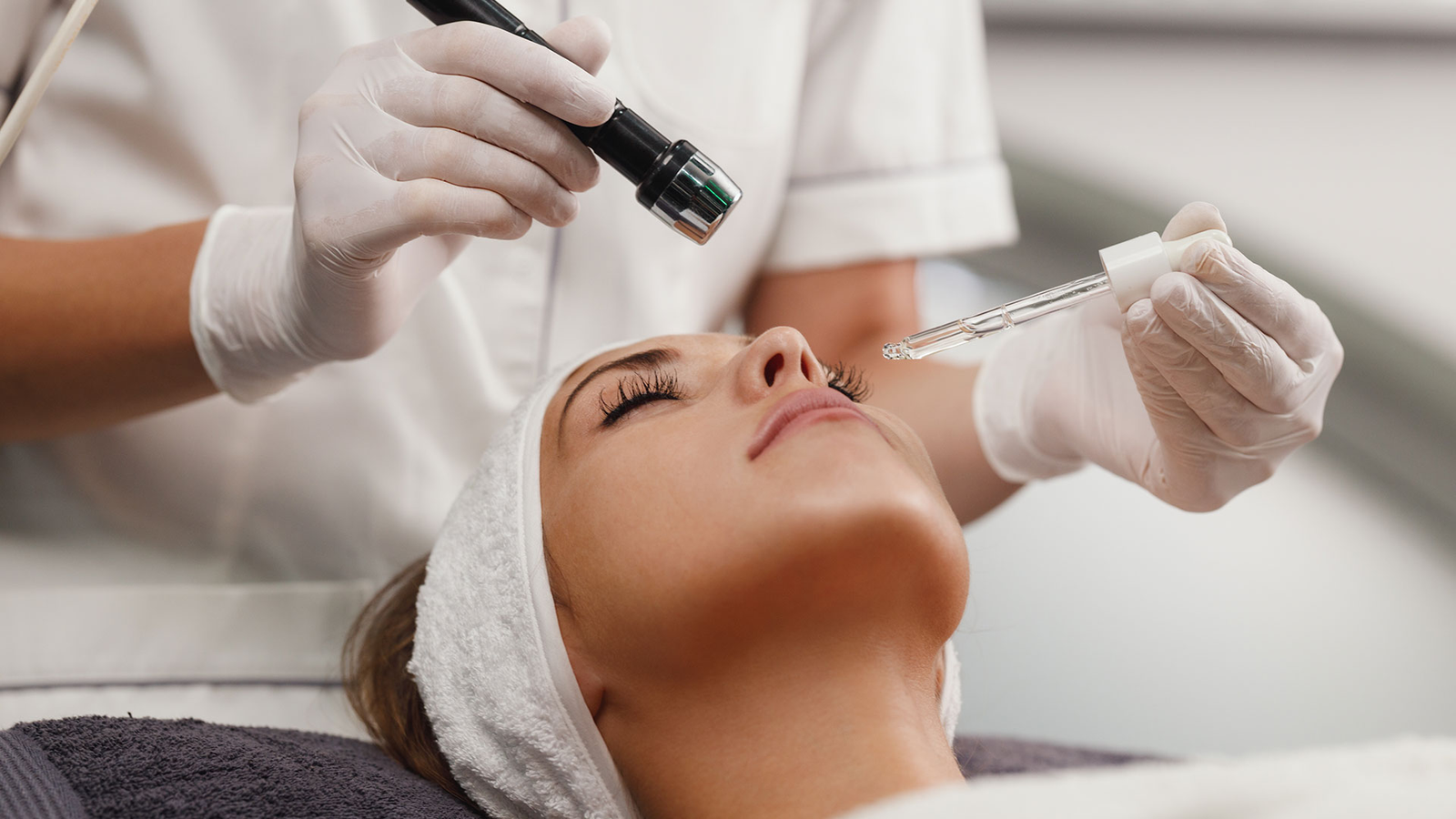
Introduction to Advanced Aesthetic Treatments
The world of beauty and skincare has evolved dramatically over the past few decades. Traditional beauty routines that once relied solely on creams, makeup, and basic skincare products have expanded into a sophisticated field that combines science, technology, and medical expertise. Today, individuals seeking to improve their appearance or maintain youthful skin have access to a wide range of modern solutions designed to enhance natural beauty while supporting long-term skin health. One of the fastest-growing areas within this industry is advanced aesthetics, a field that focuses on innovative treatments and techniques that go beyond conventional beauty practices.
Advanced aesthetic treatments are designed to address various cosmetic concerns, including wrinkles, uneven skin tone, fine lines, acne scars, and signs of aging. These procedures often involve non-surgical or minimally invasive methods that deliver visible results with little downtime. By combining medical-grade technology with personalized treatment plans, advanced aesthetics provides individuals with safe and effective solutions for achieving healthier, more radiant skin. As the demand for non-invasive cosmetic procedures continues to rise, aesthetic clinics are continually adopting new technologies and techniques to deliver improved outcomes and more natural-looking results.
The Science Behind Modern Aesthetic Treatments
At the core of advanced aesthetic treatments lies a strong scientific foundation that integrates dermatology, cosmetic medicine, and technological innovation. Modern procedures are designed to target specific layers of the skin, stimulating natural processes such as collagen production and cellular regeneration. Collagen is a key structural protein responsible for maintaining skin firmness, elasticity, and smoothness. As people age, collagen production gradually decreases, which leads to wrinkles, sagging skin, and loss of volume.
Many treatments used in advanced aesthetics focus on encouraging the body to produce more collagen naturally. By stimulating the skin’s regenerative processes, these treatments help improve texture, firmness, and overall appearance. Technologies such as laser therapy, radiofrequency, ultrasound, and microneedling are commonly used to achieve these effects. Each technology works differently, but the goal remains the same: to promote healthier skin by enhancing the body’s natural healing mechanisms.
Another scientific element of modern aesthetic care is the use of medical-grade skincare products. These products contain higher concentrations of active ingredients compared to over-the-counter options, allowing them to penetrate deeper into the skin and deliver more noticeable results. When combined with professional treatments, these products play an important role in maintaining and extending the benefits of aesthetic procedures.
Popular Treatments in Advanced Aesthetics
The field of aesthetic medicine offers a wide range of treatments designed to address various cosmetic concerns. One of the most popular procedures is injectable therapy, which includes treatments designed to reduce the appearance of wrinkles and restore lost facial volume. These injectables work by relaxing facial muscles or adding subtle volume beneath the skin, creating smoother and more youthful contours.
Laser treatments are another widely used option in modern aesthetic clinics. Laser technology can address multiple skin concerns, including pigmentation, sun damage, acne scars, and uneven texture. By delivering controlled energy into targeted areas of the skin, lasers stimulate collagen production and encourage the growth of new, healthy skin cells.
Microneedling is also a common procedure within advanced aesthetics. This technique involves the use of fine needles to create microscopic channels in the skin, which trigger the body’s natural healing response. As the skin repairs itself, collagen and elastin production increases, resulting in smoother, firmer skin over time. Many clinics combine microneedling with specialized serums or platelet-rich plasma to enhance the treatment’s effectiveness.
Chemical peels represent another important category of aesthetic procedures. These treatments use carefully formulated solutions to exfoliate the outer layers of skin, removing damaged cells and revealing a fresher, more even complexion underneath. Depending on the strength of the peel, the procedure can address issues such as dullness, acne scars, and pigmentation irregularities.
Benefits of Advanced Aesthetic Procedures
One of the most significant advantages of modern aesthetic treatments is their ability to deliver noticeable results without the need for surgery. Many procedures are minimally invasive and require little to no recovery time, allowing individuals to resume their daily activities quickly. This convenience has made advanced aesthetics increasingly popular among people who want effective results without undergoing major medical procedures.
Another key benefit is the customization available in aesthetic treatments. Every individual’s skin is unique, and aesthetic specialists carefully evaluate factors such as skin type, lifestyle, age, and personal goals before designing a treatment plan. This personalized approach ensures that each patient receives the most appropriate procedures for their specific concerns.
In addition to improving physical appearance, aesthetic treatments can have a positive impact on self-confidence and overall well-being. When individuals feel comfortable and satisfied with their appearance, they often experience increased confidence in both personal and professional interactions. While aesthetic procedures focus on physical enhancements, the psychological benefits associated with improved self-image can be equally meaningful.
The Importance of Professional Expertise
Although aesthetic treatments are widely available, the expertise of qualified professionals plays a critical role in ensuring safety and effectiveness. Licensed practitioners undergo specialized training to understand facial anatomy, skin physiology, and the proper application of advanced technologies. Their knowledge allows them to perform procedures safely while minimizing the risk of complications.
A professional consultation is typically the first step before undergoing any aesthetic treatment. During this process, the practitioner evaluates the patient’s skin condition, discusses desired outcomes, and explains available options. This consultation helps ensure that expectations are realistic and that the chosen procedures align with the individual’s goals.
Experienced practitioners also prioritize safety by following strict hygiene protocols and using high-quality equipment. Proper technique and sterile environments are essential in maintaining patient safety and delivering consistent results. In the field of advanced aesthetics, the combination of medical expertise and modern technology creates a reliable foundation for effective cosmetic treatments.
The Role of Skincare in Aesthetic Maintenance
While professional procedures can produce impressive results, maintaining healthy skin also requires consistent daily care. A well-designed skincare routine supports the skin’s natural barrier and helps prolong the benefits of aesthetic treatments. Cleansing, moisturizing, and sun protection form the basic foundation of any skincare regimen.
Sun protection is particularly important because ultraviolet radiation accelerates skin aging and contributes to pigmentation issues. Using sunscreen regularly helps preserve treatment results and protects the skin from environmental damage. Hydration is another essential factor in maintaining skin health, as properly hydrated skin appears smoother, more resilient, and more radiant.
Medical-grade skincare products recommended by professionals often contain ingredients such as retinoids, antioxidants, peptides, and hyaluronic acid. These ingredients support collagen production, protect against environmental stressors, and improve overall skin texture. When combined with professional treatments, a consistent skincare routine enhances the long-term effectiveness of advanced aesthetics.
Addressing Common Misconceptions
Despite the growing popularity of aesthetic procedures, several misconceptions still exist. Some individuals believe that aesthetic treatments always produce unnatural or exaggerated results. In reality, modern techniques are designed to enhance natural features rather than drastically alter them. Skilled practitioners focus on subtle improvements that maintain facial balance and harmony.
Another common misconception is that aesthetic treatments are only for older individuals. While many people seek treatments to address signs of aging, younger individuals also benefit from preventive care. Early treatments that stimulate collagen production and protect skin health can help delay the appearance of wrinkles and maintain youthful skin for longer periods.
Some people also assume that aesthetic procedures require long recovery times or involve significant discomfort. However, many treatments in advanced aesthetics are designed to be quick and minimally invasive, allowing patients to return to normal activities shortly after their appointments.
The Future of Advanced Aesthetic Treatments
The field of aesthetic medicine continues to evolve as researchers and medical professionals develop new technologies and techniques. Innovations in laser systems, regenerative medicine, and non-invasive skin tightening treatments are expanding the possibilities for achieving natural-looking cosmetic improvements.
Artificial intelligence and advanced imaging technology are also beginning to play a role in treatment planning. These tools help practitioners analyze facial structure and predict treatment outcomes with greater accuracy, allowing for more personalized and precise procedures.
As scientific research continues to advance, the future of advanced aesthetics will likely focus on treatments that combine effectiveness, safety, and minimal downtime. The integration of technology and medical expertise will continue to refine cosmetic procedures, providing individuals with increasingly sophisticated options for maintaining youthful, healthy skin.
Conclusion
The modern beauty industry has transformed into a science-driven field that combines medical knowledge, technological innovation, and personalized care. Through a wide range of non-surgical treatments, advanced aesthetics offers effective solutions for improving skin health, enhancing natural beauty, and addressing common cosmetic concerns. From injectable therapies and laser treatments to microneedling and chemical peels, these procedures provide individuals with safe and customizable options for achieving their aesthetic goals.
Equally important is the role of professional expertise and consistent skincare routines in maintaining long-term results. By working with qualified practitioners and adopting healthy skincare habits, individuals can maximize the benefits of aesthetic treatments while protecting their skin from future damage. As technology continues to evolve, the field of advanced aesthetics will remain at the forefront of modern beauty and wellness, helping people look and feel their best with confidence and balance.
