
Picture this: you’re standing in a crowded outdoor market in Bangkok, the midday sun beating down relentlessly, sweat soaking through your shirt before you’ve even reached the first stall. Or maybe you’re packed into a delayed train in southern Spain with no air conditioning in sight. These moments of intense heat are all too familiar for travelers, and they can quickly turn an exciting adventure into an exhausting ordeal.
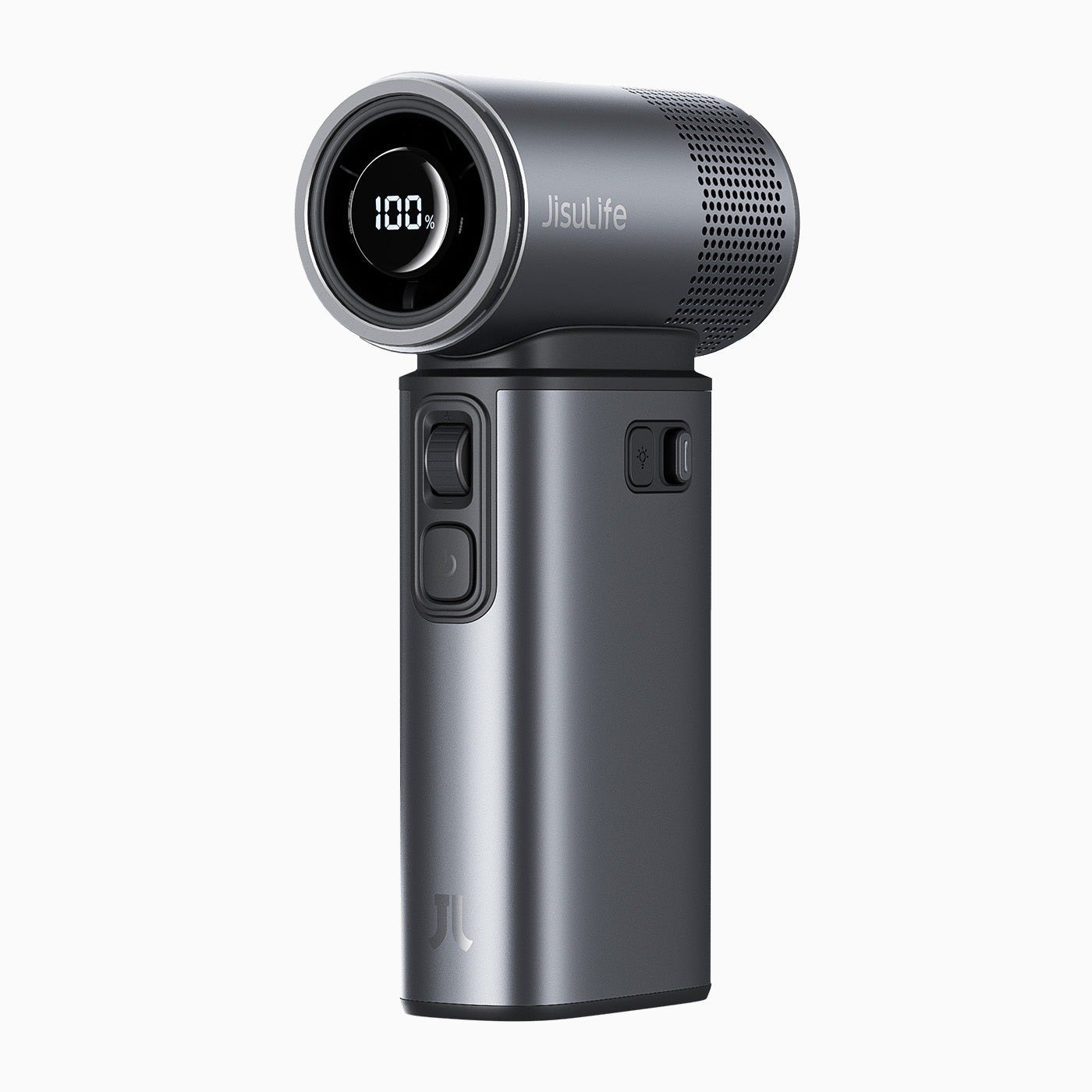
Enter the handheld battery fan — a compact, portable solution that’s quietly become an essential travel companion for smart explorers worldwide. Whether you’re navigating humid city streets or sitting through an open-air festival, a good travel fan can make the difference between misery and comfort.
The challenge, however, lies in choosing the right one. The market is flooded with options, from rechargeable handheld fans with impressive battery life to ultra-compact mini fans that slip into your pocket. Sorting through these choices without clear guidance can feel overwhelming.
This guide cuts through the noise. We’ll walk you through the key factors to evaluate — portability, battery life, fan type, and design — all tailored specifically to travelers’ real-world needs. From understanding different fan categories to following a step-by-step selection process, you’ll finish this article equipped to make a confident, informed purchase.
Understanding Your Travel Needs: Key Factors for Choosing a Handheld Fan
Before browsing product listings, take a moment to honestly assess how and where you travel. A backpacker hopping between humid Southeast Asian cities has very different cooling needs than someone attending a weekend outdoor wedding in mild Mediterranean weather. Your travel frequency, destination climate, and typical daily activities should all shape the kind of handheld battery fan you ultimately choose.
Climate is perhaps the most decisive factor. If your trips regularly take you to tropical or desert environments, you’ll want a fan with multiple speed settings — ideally at least three — so you can dial up airflow during peak heat and conserve battery when temperatures ease in the evening. Travelers heading to more temperate climates can get away with simpler, single-speed models without sacrificing much comfort.
Noise level matters more than most buyers anticipate. In a quiet museum, a loud fan becomes an embarrassment; on a noisy street market, it’s irrelevant. Look for fans with brushless motors if you plan to use yours in libraries, galleries, or long-haul flights where ambient sound is minimal. Many product descriptions mention decibel ratings — anything under 40dB is generally considered whisper-quiet.
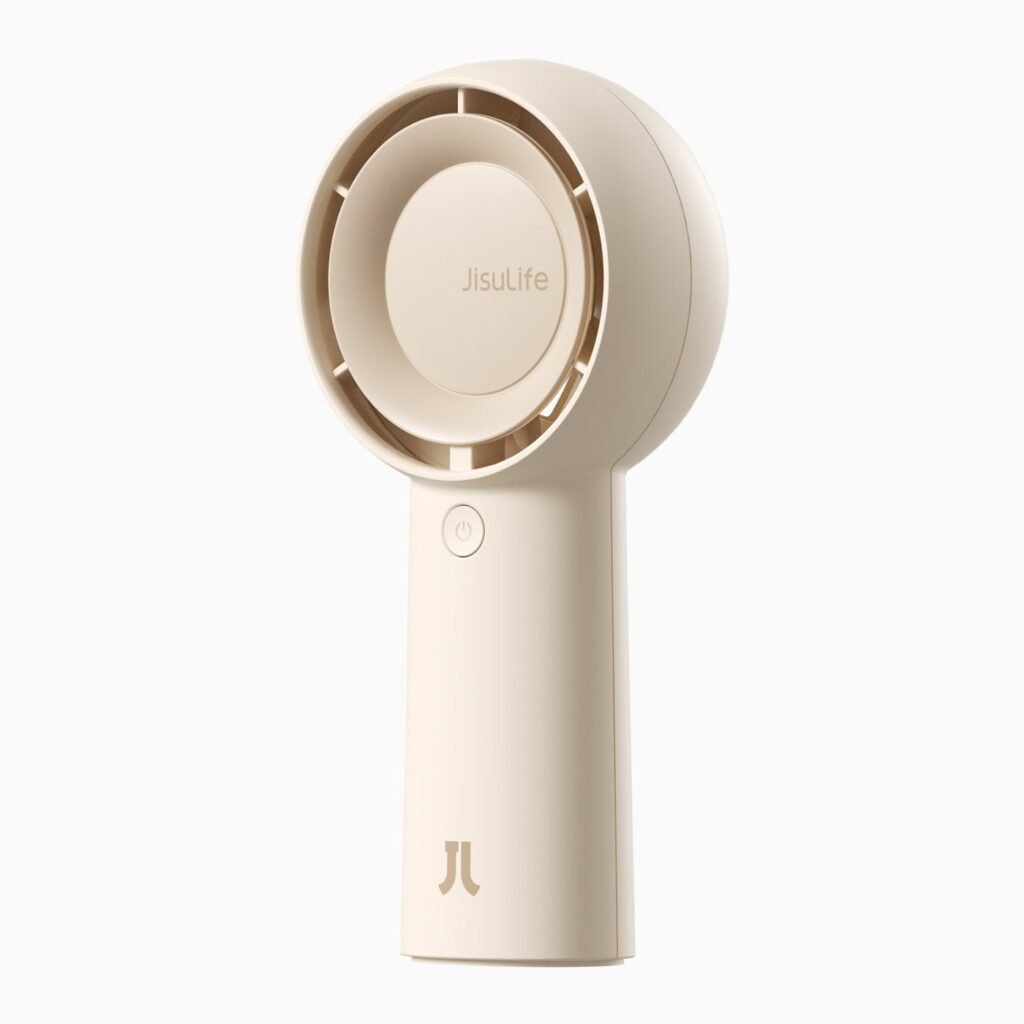
Ergonomics also play a surprisingly important role during extended use. A fan that feels awkward or heavy after ten minutes of holding defeats its own purpose. Opt for models weighing under 200 grams with a grip that feels natural in your hand. Some travel fans include wrist straps or foldable handles, which reduce hand fatigue significantly during long outdoor events.
Finally, consider recharging convenience. If your itinerary involves remote locations or long days away from power outlets, battery capacity becomes critical. Travelers who stay in hotels or urban areas can prioritize lighter, lower-capacity models since recharging opportunities are plentiful. Matching the fan’s specs to your actual travel rhythm — rather than buying the most powerful option available — is the smartest approach.
Types of Handheld Battery Fans: From Mini Fans to Travel-Specific Models
Not all handheld fans are built with travelers in mind, and understanding the main categories helps you avoid buying something that looks great on a product page but fails you in the field. Broadly speaking, handheld battery fans fall into three groups: rechargeable handheld fans, disposable battery-operated fans, and ultra-compact mini fans designed for maximum portability.
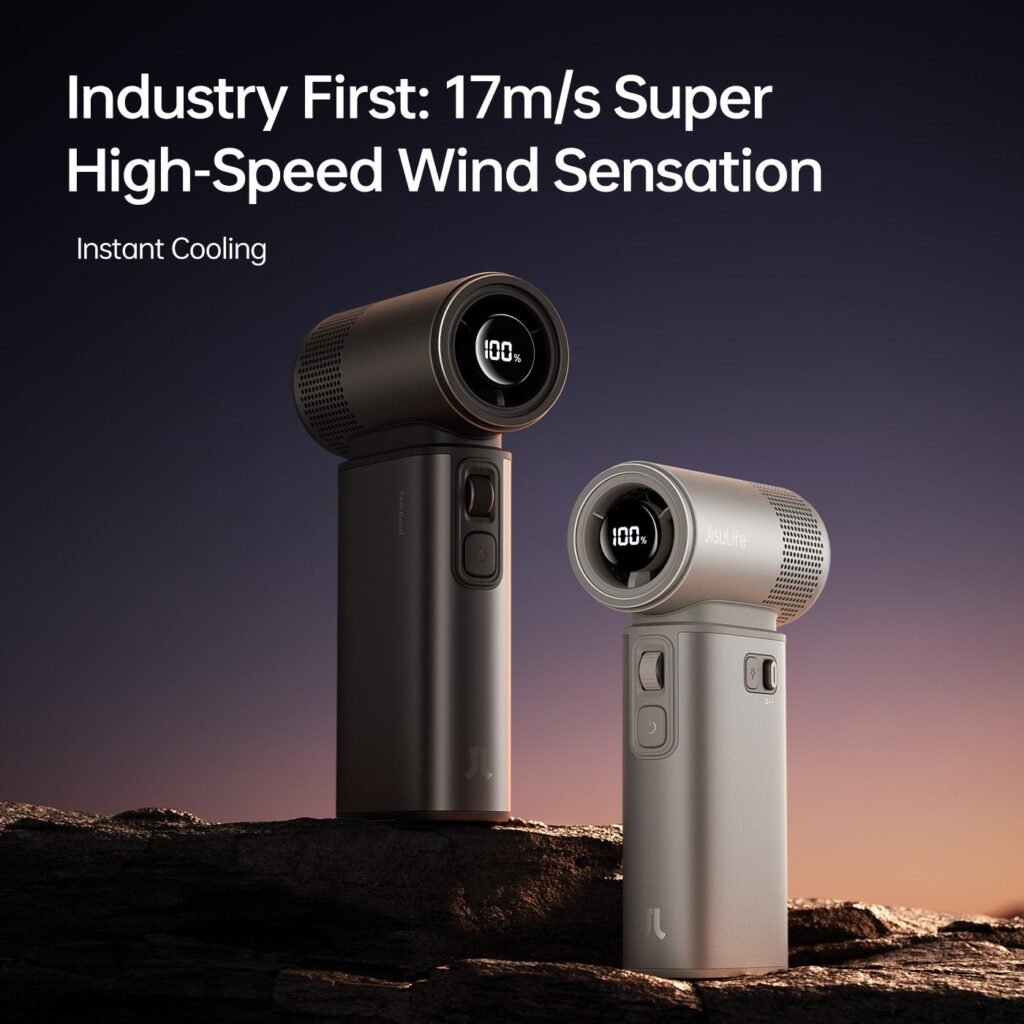
Rechargeable handheld fans are the most popular choice among frequent travelers, and for good reason. They typically run on built-in lithium-ion batteries, offer multiple speed settings, and can be topped up via USB — meaning your phone charger or power bank doubles as a fan charger. Many models in this category, including options from brands like JisuLife, also double as small power banks themselves, letting you charge your earbuds or phone in a pinch. The trade-off is that they tend to be slightly heavier and require access to power sources every day or two.
Battery-operated fans using AA or AAA cells occupy a different niche. They’re bulkier and generate ongoing battery replacement costs, but their advantage is undeniable in remote destinations: if you’re trekking through rural areas with no electricity, standard batteries are available in almost any village shop. These fans are a sensible backup option rather than a primary travel companion.
Mini fans represent the third category — featherlight devices, often foldable, that prioritize pocket-friendly dimensions above all else. Some weigh as little as 80 grams and fold flat enough to slide into a jeans pocket. They sacrifice airflow power for compactness, making them ideal for light use: a quick cool-down at a café table or a gentle breeze during a museum visit. For intense heat, though, their limited motor power can feel underwhelming.
Rechargeable vs. Disposable Battery Fans
Choosing between rechargeable and disposable battery fans really comes down to your trip length and infrastructure. For city-based travel lasting a week or more, rechargeable models win on every front — they’re cheaper to operate, generate less waste, and deliver consistent performance. For multi-week expeditions into areas with unreliable electricity, carrying a small stock of AA batteries alongside a lightweight disposable-battery fan gives you cooling power without depending on outlets. A practical middle ground: pack a rechargeable fan as your primary option and tuck a compact battery-operated backup into your bag for emergencies.
Battery Life and Charging Solutions: Ensuring Reliable Cooling on the Go
Battery capacity, measured in milliamp-hours (mAh), is the single most useful number to check when evaluating a handheld fan for travel. As a practical benchmark, a 2000mAh battery typically delivers four to eight hours of runtime depending on speed settings, while higher-capacity models at 4000mAh or above can stretch through a full day of intermittent use. The key word is “intermittent” — most travelers aren’t running their fan continuously, so even a mid-range battery performs well when used sensibly across a long day of sightseeing.
Charging speed and connector type deserve equal attention. USB-C has become the clear standard worth prioritizing, since it charges faster than older Micro-USB connections and lets you share a single cable between your fan, phone, and other devices. Some newer models support fast charging, reaching full capacity in under two hours — a significant advantage when you only have a short window at your hotel before heading back out. Avoid models that still rely on proprietary charging cables, as replacing those abroad is genuinely difficult.
For travelers with long days away from power sources, pairing your fan with a portable power bank is the most reliable solution. A 10,000mAh power bank can recharge a typical fan three to four times over, effectively eliminating range anxiety for multi-day adventures. When estimating your actual runtime needs, consider this: running a fan on its lowest setting typically consumes 30–50% less battery than maximum speed, so developing a habit of using lower settings during moderate heat extends your cooling window considerably without any sacrifice in comfort.
Portability and Design Features for Travel-Friendly Use
When you’re already managing luggage, a daypack, and every other travel essential, the last thing you want is a fan that adds noticeable bulk or weight. The best travel fans are engineered with portability as a core design principle, not an afterthought. Foldable designs are particularly valuable here — models that collapse flat or fold their blades inward shrink to roughly the size of a smartphone, slipping into a jacket pocket or the outer sleeve of a backpack without any fuss. This kind of packability matters most during city days when you’re moving constantly between attractions, transport, and meals.
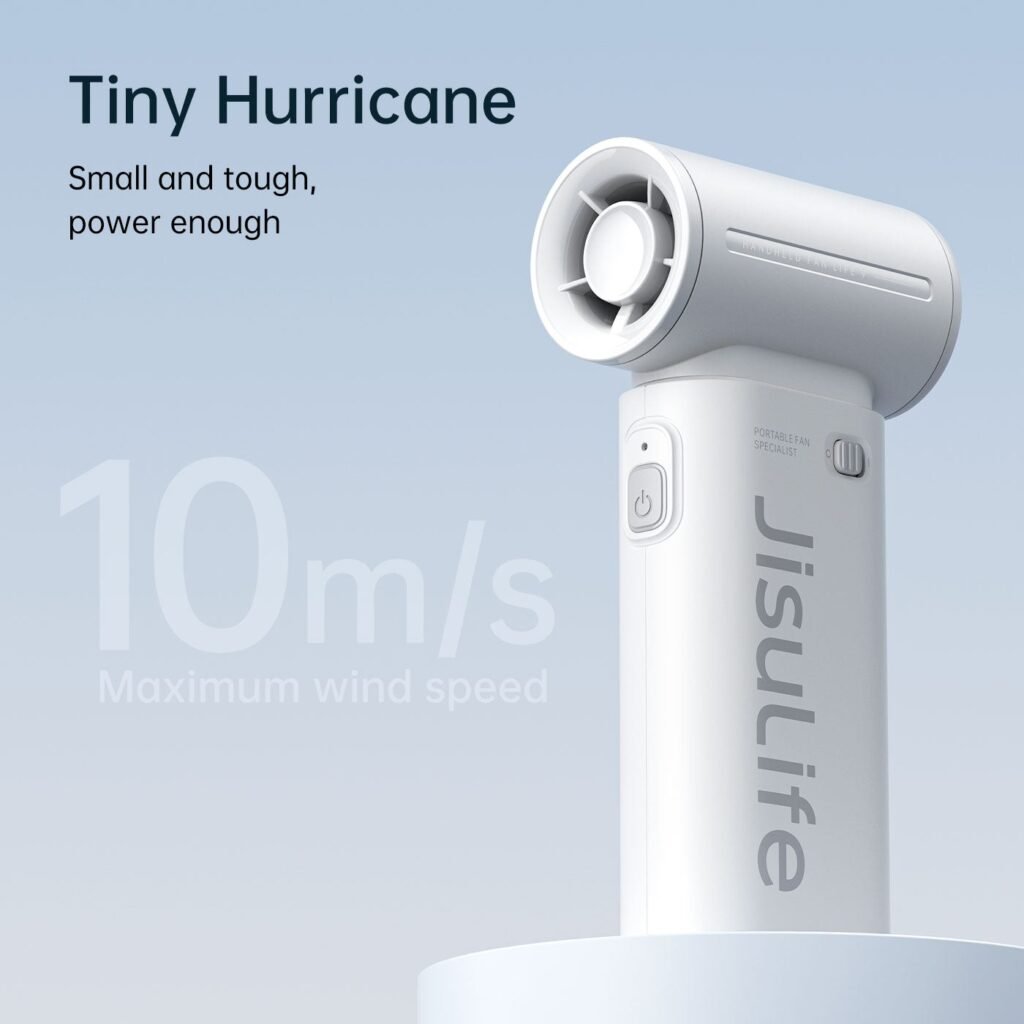
Material choice directly affects both weight and durability. Fans built with ABS plastic frames strike the best balance for travel — light enough to forget you’re carrying them, yet resilient enough to survive the inevitable bumps of life on the road. If your travels involve beach destinations or humid jungle environments, look for models with IPX4 or higher water resistance ratings, which protect against splashes and light rain without requiring you to baby the device.
Attachment options quietly separate genuinely travel-friendly designs from generic consumer fans. A built-in lanyard loop lets you hang the fan around your neck during outdoor festivals or theme parks, freeing both hands entirely. Clip-on mechanisms are equally useful, letting you attach the fan to a stroller, beach chair, or tent opening. Some models, such as those in the JisuLife lineup, combine a foldable handle with a desktop stand, giving you hands-free cooling during hotel room work sessions. These small design details accumulate into a meaningfully more versatile travel companion, so prioritize them when comparing otherwise similar models.
Step-by-Step Guide to Selecting Your Ideal Handheld Battery Fan
With a clear understanding of fan types, battery performance, and design priorities, you’re ready to turn that knowledge into a confident purchase decision. Follow these five steps to systematically narrow down your options.
Start by defining your specific travel scenarios. Write down your typical destinations, average daily hours outdoors, and whether you’ll have regular access to power outlets. This honest self-assessment prevents you from over-buying a heavy-duty model for mild weekend trips or under-buying a weak mini fan for a month in Southeast Asia.
Next, set a realistic budget before browsing. Mid-range fans in the $20–$45 range typically offer the best balance of battery life, build quality, and portability for most travelers. Premium models above that threshold add features like faster charging or higher airflow, while budget options below $15 often compromise on motor durability.
With your budget set, compare at least three models side by side using the criteria covered in this guide: battery capacity, charging connector type, weight, folding mechanism, and any attachment features like lanyards or clips. Create a simple checklist and score each candidate against your personal priorities rather than chasing the highest-rated product overall.
Before purchasing, spend time reading verified user reviews specifically from travelers rather than general consumers. Look for feedback mentioning real-world conditions — humidity, long outdoor days, airport security — since these reviewers share your actual use case. Pay particular attention to comments about battery life accuracy, as manufacturer claims often reflect ideal lab conditions.
Finally, purchase from reputable retailers or established brands that offer clear return policies. A fan that fails on day two of a two-week trip is a genuine problem, and buying from trustworthy sources gives you recourse if that happens.
Make the Right Choice Before Your Next Trip
Choosing the right handheld battery fan for travel isn’t about finding the most powerful or feature-packed model on the market — it’s about matching the right tool to your specific journey. Throughout this guide, we’ve covered the essential ground: assessing your personal travel needs, understanding the key differences between fan types, evaluating battery capacity and charging solutions, and identifying the design features that genuinely matter when you’re moving through the world with limited space and unpredictable access to power.
The core takeaways are straightforward. Prioritize battery life relative to your actual daily schedule, not manufacturer maximums. Choose USB-C rechargeable models for most travel scenarios, and reserve disposable-battery options for genuinely remote expeditions. Favor lightweight, foldable designs with practical attachment features over heavier models loaded with specs you’ll rarely use. And always read traveler-specific reviews before committing to a purchase.
Armed with the five-step selection process outlined here, you’re no longer guessing — you’re making a deliberate, informed decision built around how you actually travel. So before your next trip, take twenty minutes to run through those steps, compare a shortlist of models, and invest in a fan that earns its place in your bag. Your future self, standing in that crowded market or waiting on that sun-baked platform, will be genuinely grateful you did.