The custom apparel market in the United States is booming. With platforms like Etsy, Shopify, and Amazon Merch making it easier than ever to sell personalized garments, thousands of small business owners are looking for a printing method that’s fast, flexible, and affordable enough to run from home or a small studio.
Enter DTF printing — Direct to Film printing — the technology quietly revolutionizing the custom garment industry for entrepreneurs across the country.
What Is DTF Printing and Why Does It Matter for Small Businesses?
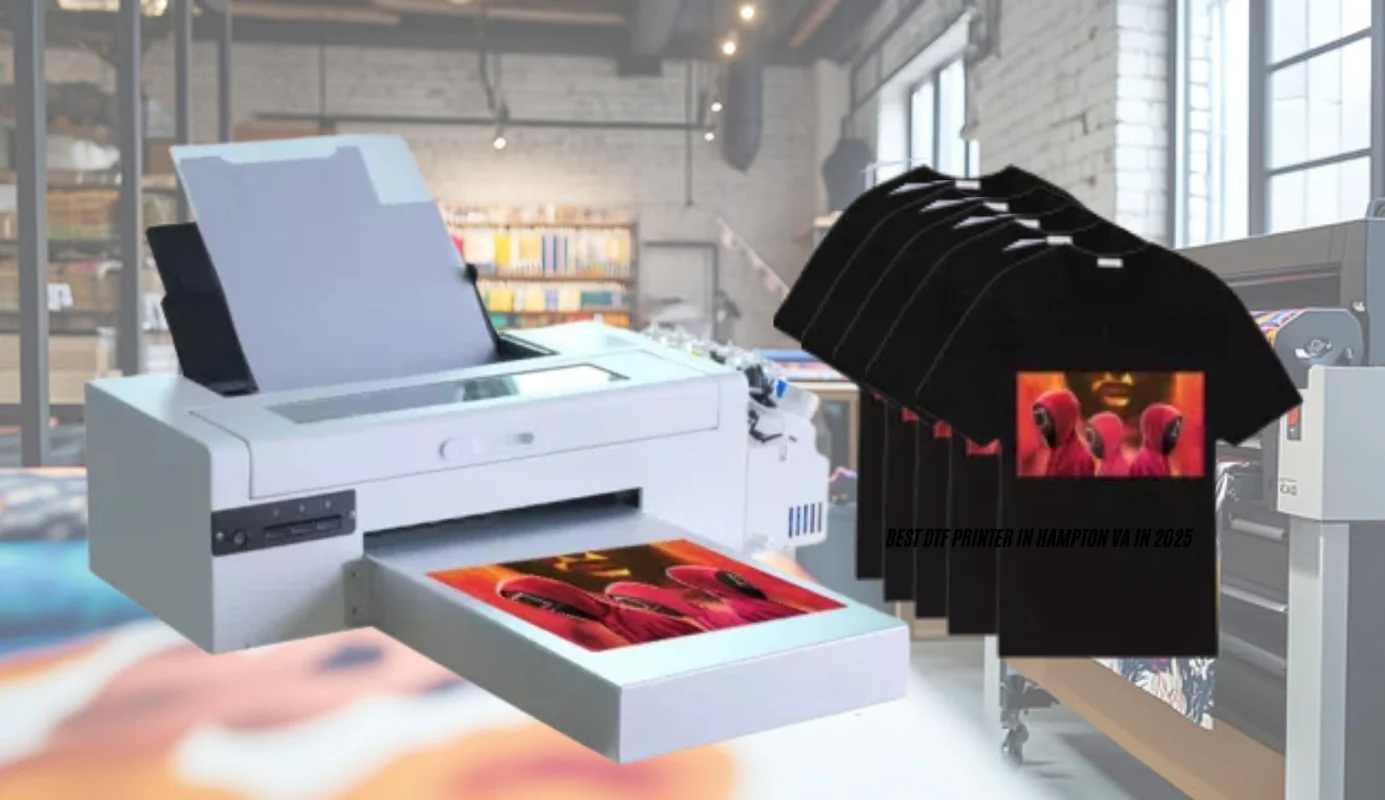
DTF printing is a heat transfer process that allows business owners to print full-color, photographic-quality designs onto a special PET film, apply a hot melt adhesive powder, and then transfer the design onto virtually any fabric using a heat press. Unlike screen printing, there are no screens to set up. Unlike vinyl cutting, there’s no weeding. And unlike sublimation, DTF works on cotton, polyester, denim, leather, canvas, nylon, and every blend in between.
For small business owners, this translates to:
- No minimum order quantities — print one item or one thousand
- Full-color designs with no color limitations or additional setup costs
- Fast turnaround — ideal for on-demand and custom orders
- Low startup costs compared to screen printing or embroidery equipment
- The ability to work from home with a desktop printer setup
The Business Case for DTF Printing in 2025
The numbers make a compelling case. A custom t-shirt produced with DTF printing costs roughly $2–4 in materials and retails for $20–40, representing a gross margin of 75–90%. Many Etsy sellers report generating between $2,000 and $10,000 per month with just a single desktop DTF printer and a modest advertising budget.
What’s driving this growth is the combination of low barrier to entry and high scalability. A complete beginner can set up a functioning DTF print operation for under $1,000 — and scale to a commercial production shop as demand grows, without changing the fundamental process.
The One Supply That Determines Everything: White Ink
Here’s what most DTF beginners don’t realize until they’ve made an expensive mistake: in DTF printing, your white ink is your most important supply. It forms the base layer beneath every color print — especially on dark fabrics — and its quality directly determines the vibrancy, sharpness, and wash resistance of every transfer you make.
Low-quality white ink leads to dull prints, clogged printheads, and inconsistent results that drive customers away. Professional-grade DTF white ink — engineered for high opacity, smooth flow, and clog-free performance — is the single most impactful upgrade any DTF business owner can make.
For business owners serious about building a reputation for quality, investing in the right white ink from day one is non-negotiable. It protects your printhead, reduces maintenance downtime, and ensures every garment that leaves your shop meets the standard your customers expect.
Who Is DTF Printing Best Suited For?
DTF printing isn’t just for large print shops. In fact, it’s uniquely well-suited for:
- Etsy sellers producing custom t-shirts, hoodies, tote bags, and accessories on demand
- Home-based entrepreneurs looking to monetize a creative side business with low overhead
- Small garment businesses wanting to bring printing in-house and eliminate outsourcing costs
- Event and merchandise businesses producing limited runs of branded apparel for corporate clients, sports teams, and local events
- Photographers and artists selling merchandise featuring their own original artwork
Getting Started: What You Actually Need
A functional DTF print setup requires just a handful of components:
- A DTF-compatible printer (converted Epson or dedicated DTF model)
- DTF CMYK and white inks
- PET transfer film (sheets or roll)
- Hot melt adhesive powder
- A heat press (minimum 15″ x 15″)
- A curing oven or heat gun for powder activation
Total startup costs for a capable home DTF setup typically range from $500 to $2,000 — a fraction of what a screen printing operation or commercial embroidery setup would cost.
Key insight: The quality of your supplies — especially your white ink — has a far greater impact on your business results than the brand of printer you choose. Many successful DTF businesses run on converted consumer printers with professional-grade inks and film, producing results indistinguishable from commercial print shops.
The Competitive Advantage of Doing It Right
In a market where anyone with a heat press and a roll of vinyl can call themselves a custom printer, DTF quality is a real differentiator. Businesses that invest in professional supplies — particularly high-opacity, clog-free DTF white ink — consistently produce sharper, more vibrant prints that hold up through washing and generate the kind of customer satisfaction that drives repeat business and word-of-mouth referrals.
That competitive edge compounds over time. Customers who receive a beautifully printed garment that still looks great after 50 washes don’t just come back — they tell their friends. In the custom apparel business, print quality is marketing.
Final Thoughts
DTF printing represents one of the most accessible and profitable small business opportunities available to entrepreneurs in 2025. The technology is mature, the learning curve is manageable, and the margins are strong. What separates the businesses that thrive from those that struggle is almost always the same thing: the quality of their supplies and the consistency of their output.
If you’re considering starting a custom garment business — or looking to upgrade an existing operation — DTF printing deserves serious consideration. Start with the right equipment, invest in professional-grade supplies, and build a reputation for quality that keeps customers coming back.
This article is for informational purposes only and may contain affiliate or sponsored links.
