
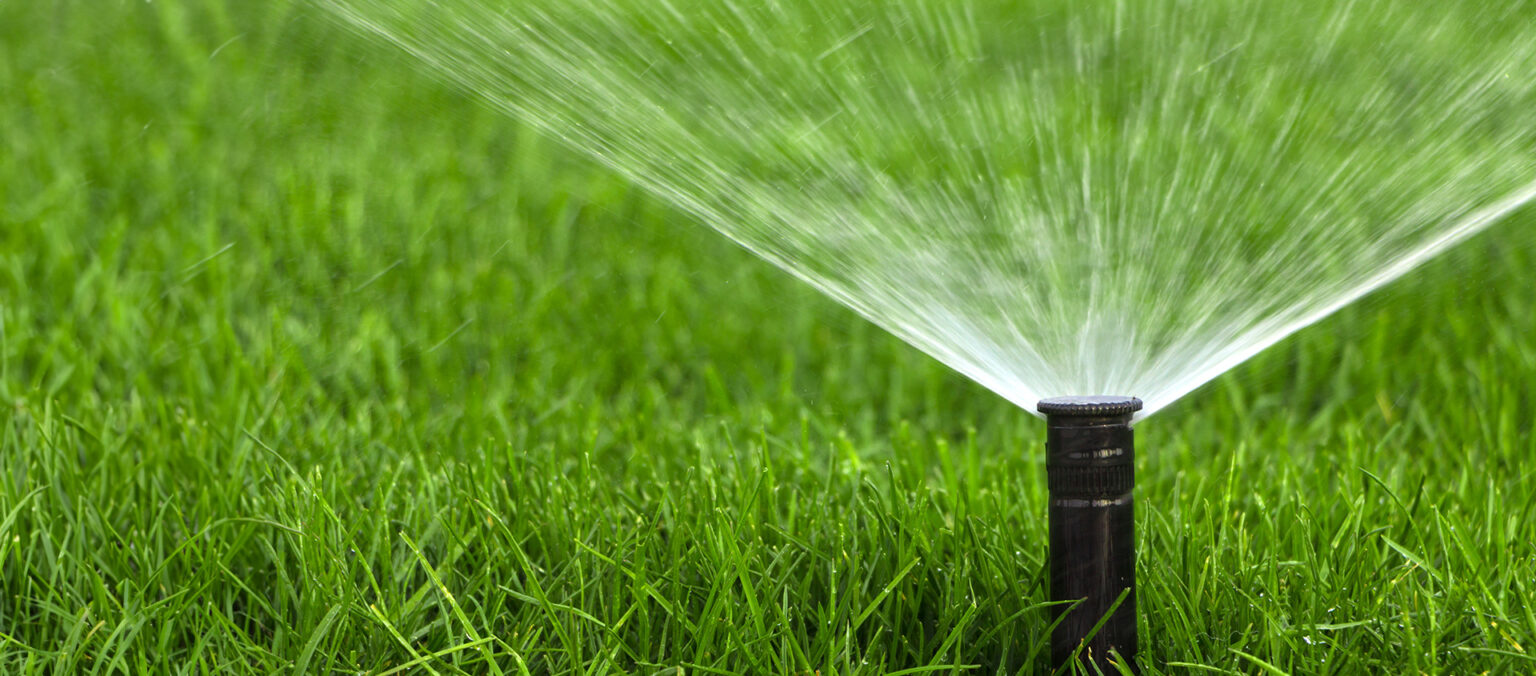
A properly functioning sprinkler system is essential for maintaining a healthy lawn and vibrant landscape, particularly during the growing season when consistent irrigation is critical. However, before the season begins, a comprehensive sprinkler start up is necessary to ensure the system operates efficiently, avoids unnecessary water waste, and prevents costly damage to pipes, valves, and heads. Neglecting this step can lead to uneven water distribution, broken components, and hidden leaks that compromise both the performance of the system and the health of the lawn. A professional or well-executed sprinkler start up is a proactive measure that addresses potential problems before they escalate and establishes the foundation for reliable and efficient irrigation throughout the season.
Sprinkler start up is not simply a matter of turning on the water and letting the system run. It involves a systematic inspection of all components, cleaning and testing of valves, ensuring proper water pressure, evaluating spray patterns, and calibrating timers or controllers. Each step is designed to verify that every part of the system is functioning correctly and efficiently. For automated or large-scale irrigation systems, professional sprinkler start up services are particularly valuable, as they ensure complex systems operate optimally and prevent costly damage due to overlooked issues.
The Importance of Sprinkler Start Up
Performing a sprinkler start up is critical not only for system efficiency but also for the long-term health of your landscape and the longevity of the irrigation system itself. Homeowners often underestimate the value of a full start up, assuming that turning the system on is sufficient. However, winterized or idle systems require careful evaluation to prevent hidden problems from developing into major failures.
One of the primary benefits of a thorough sprinkler start up is the prevention of system damage. During colder months, pipes, valves, and sprinkler heads may have been drained to avoid freezing, but over time, they can develop cracks, leaks, or other weaknesses. Starting the system without inspection can exacerbate these problems, leading to water loss, soil erosion, or even structural damage to the property. Proper start up ensures that all components are intact, connected, and functioning as intended.
Another critical aspect is ensuring even water distribution across all zones of the landscape. Sprinkler systems are designed to deliver water uniformly, but clogged nozzles, misaligned heads, or uneven pressure can result in dry patches or overwatered areas. A full start-up allows homeowners or contractors to test each zone individually, calibrate spray patterns, and adjust flow rates for balanced coverage. This ensures that every part of the lawn receives the proper amount of water for healthy growth, while conserving resources and preventing water waste.
Efficiency is also significantly improved through sprinkler start up. By addressing leaks, adjusting pressure, and calibrating timers, property owners reduce unnecessary water consumption and minimize strain on pumps, valves, and pipes. This efficiency not only protects the environment but also lowers utility costs. Additionally, a proper start up extends the overall lifespan of the irrigation system. Early detection of worn parts, minor leaks, or valve issues reduces long-term damage and ensures the system continues to function effectively year after year.
Step-by-Step Sprinkler Start Up Process
A comprehensive sprinkler start up involves several key steps, each designed to optimize performance, prevent damage, and prepare the system for reliable operation.
Visual Inspection
The start-up process begins with a thorough visual inspection of all system components. This includes checking sprinkler heads, valves, pipes, backflow preventers, and controllers. Signs of damage from winter weather, debris accumulation, or rodent activity should be identified and addressed immediately. Broken heads, loose fittings, or clogged nozzles can significantly impact system performance if left uncorrected. Cleaning debris and replacing damaged components at this stage ensures the system is prepared for full operation.
Checking the Backflow Preventer
Backflow preventers are essential for protecting the property’s water supply from contamination. During start up, the device should be examined for leaks, cracks, or malfunctioning parts. Ensuring the backflow preventer is functioning correctly is critical for maintaining water safety compliance and preventing potential health hazards. Any detected issues should be repaired by a professional to ensure full compliance with local regulations.
Flushing and Valve Testing
Before fully activating the system, it is important to flush the main line and individual zones. This removes debris or sediment that may have accumulated during the off-season, preventing clogs in sprinkler heads and valves. Each valve should be checked for proper operation, opening and closing smoothly without sticking or leaking. Lubricating valve stems and replacing malfunctioning valves during the start-up process prevents failures later in the season.
Head Alignment and Coverage Testing
Once the system is running, each sprinkler head should be observed to ensure proper spray pattern and coverage. Misaligned, clogged, or broken heads can result in uneven watering, damaging both the landscape and the system. Adjusting spray patterns, replacing damaged heads, and ensuring consistent flow across all zones guarantees that every section of the lawn receives adequate hydration.
Pressure Check and Adjustment
Maintaining correct water pressure is essential for optimal sprinkler performance. Low pressure may result in insufficient coverage, while excessive pressure can damage components and cause misting or overspray. During start-up, water pressure should be measured at each zone and adjusted as necessary using pressure regulators or system valves to achieve balanced, efficient operation.
Controller and Timer Programming
Modern sprinkler systems often include timers, controllers, and smart sensors. During start up, these devices should be inspected, calibrated, and programmed according to seasonal watering needs. Timers should be set to water during optimal times of day to reduce evaporation, while smart controllers can automatically adjust schedules based on rainfall or soil moisture levels, further enhancing efficiency and landscape health.
Final System Testing
After all adjustments are made, the system should be tested zone by zone to confirm proper operation. Observing the system in action allows homeowners or contractors to identify any remaining issues, such as leaks, misaligned heads, or pressure inconsistencies. A thorough final inspection ensures the system is fully operational and ready for the irrigation season.
Benefits of Professional Sprinkler Start Up Services
While many homeowners may attempt a DIY sprinkler start up, professional services offer several advantages that ensure optimal performance, efficiency, and safety.
Professionals provide an expert assessment, identifying hidden problems that may not be visible during a casual inspection. They can detect minor leaks, worn valves, or subtle pressure issues that, if left unattended, could result in costly repairs or uneven watering. Precision adjustments, such as aligning sprinkler heads and balancing flow rates, are performed accurately to prevent dry spots or overwatering, optimizing system performance and landscape health.
Professional contractors also handle safety and compliance aspects, including backflow prevention and electrical connections for automated controllers. Their experience ensures that all adjustments and repairs meet local regulations and manufacturer specifications. Time efficiency is another major advantage, as professionals complete the start-up process quickly and effectively, eliminating the hours of trial and error that often accompany DIY attempts. Lastly, a professional start up can save homeowners money in the long term by detecting issues early, preventing major repairs, and extending the life of the irrigation system.
Common Problems Detected During Sprinkler Start Up
A proper sprinkler start up often uncovers several issues that may have developed during the off-season or as a result of aging components:
- Clogged or Damaged Sprinkler Heads: Dirt, debris, or freeze damage can block heads, reducing coverage.
- Leaking Pipes or Fittings: Cracks, loose connections, or broken pipes can lead to water waste and soil erosion.
- Valve Malfunctions: Valves that fail to open or close properly cause uneven watering or dry spots.
- Pressure Imbalances: Uneven water pressure affects efficiency and may damage system components.
- Controller or Electrical Failures: Malfunctioning timers, sensors, or wiring can prevent the system from operating correctly.
Addressing these problems during start up ensures a reliable irrigation system capable of maintaining a healthy landscape throughout the season.
Maintenance Tips After Sprinkler Start Up
After the start-up process, regular maintenance is crucial for sustained performance and system longevity. Regular inspection of all zones, cleaning filters, and monitoring water pressure helps prevent recurring issues. Adjusting watering schedules seasonally ensures optimal water usage based on weather conditions and plant needs. Keeping outdoor units and valves free of debris and scheduling professional inspections at least once a year helps identify minor issues before they become major problems. These maintenance practices, combined with a thorough start up, maximize efficiency, conserve water, and maintain the health and appearance of the lawn or garden.
Conclusion
A thorough sprinkler start up is a critical step in preparing any irrigation system for the growing season. Proper start up ensures even water distribution, prevents system damage, improves efficiency, and extends the lifespan of the system. By inspecting all components, flushing lines, testing pressure, aligning heads, and programming controllers, homeowners can establish a reliable foundation for consistent, effective irrigation.
Professional sprinkler start up services provide expertise, precision, and peace of mind. Early detection of minor issues, correct system adjustments, and adherence to safety standards reduce the risk of costly repairs and water waste. Whether performed by a homeowner or a qualified contractor, a well-executed sprinkler start up is essential for maintaining a vibrant, healthy landscape while maximizing system efficiency and longevity. Investing time and attention in this process ensures a lush, well-watered lawn and a fully functional irrigation system for years to come.
