
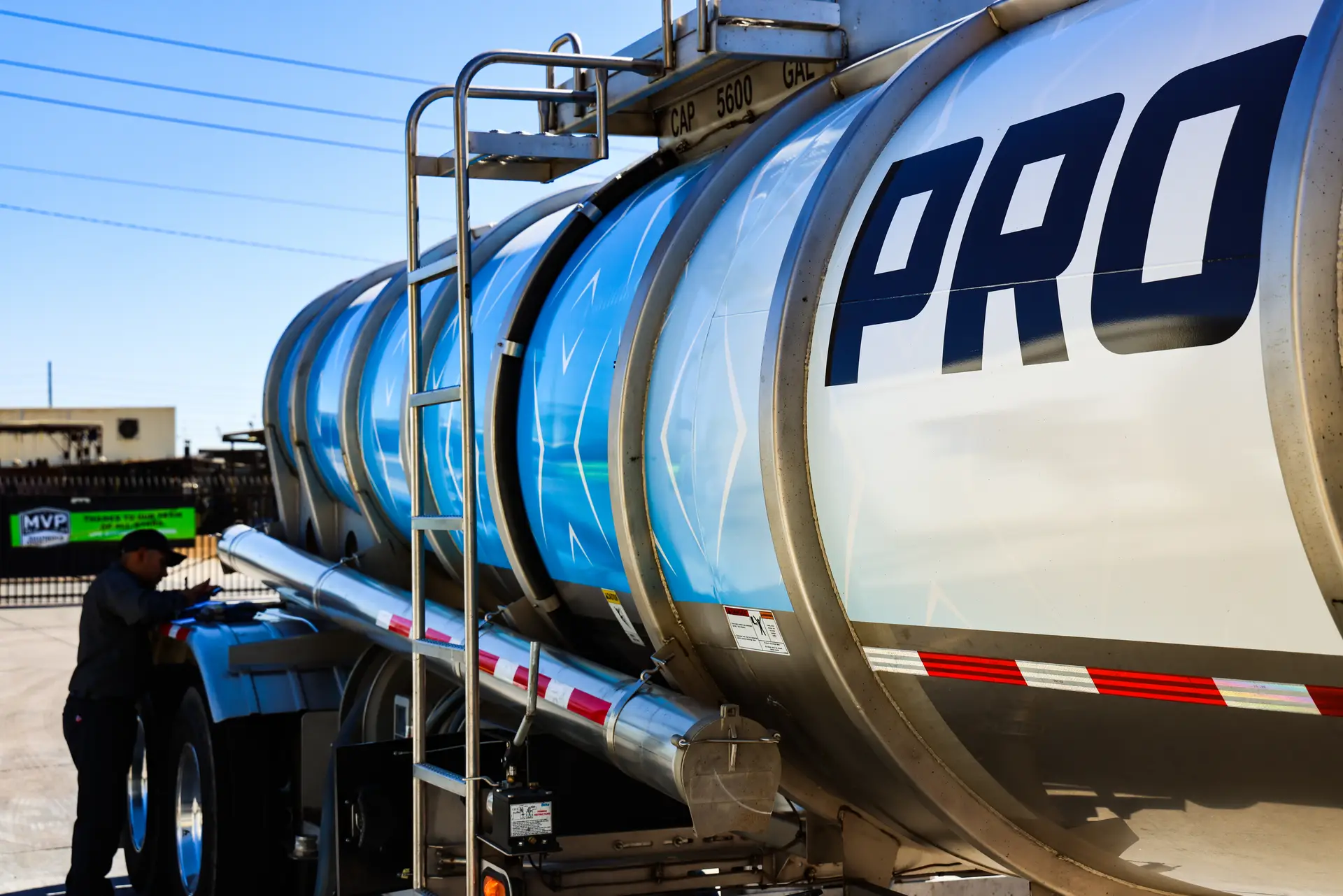
In the modern transportation and industrial landscape, efficiency and environmental compliance have become critical factors for businesses operating large fleets or heavy machinery. One of the key innovations that support these objectives is Diesel Exhaust Fluid (DEF). This specialized solution plays a pivotal role in reducing harmful emissions, ensuring compliance with environmental regulations, and improving the overall performance of diesel engines. For businesses managing substantial vehicle operations, acquiring bulk diesel exhaust fluid has become an essential strategy that balances cost, convenience, and operational reliability.
Understanding Diesel Exhaust Fluid
Diesel Exhaust Fluid is a high-purity urea solution, typically composed of 32.5% urea and 67.5% deionized water. It is specifically designed for use in Selective Catalytic Reduction (SCR) systems, a critical technology for modern diesel engines. SCR systems work by converting harmful nitrogen oxides (NOx) in exhaust gases into harmless nitrogen and water vapor. By injecting DEF into the exhaust stream, these systems reduce NOx emissions significantly, contributing to cleaner air and compliance with stringent environmental standards.
The importance of DEF extends beyond regulatory compliance. Diesel engines that utilize SCR technology can operate more efficiently, as the system allows for optimized fuel combustion. By reducing NOx emissions externally rather than within the engine, manufacturers can achieve higher engine performance without compromising environmental responsibility. This balance between efficiency and sustainability is one of the key reasons DEF has become an indispensable component in diesel fleet management.
Benefits of Using Diesel Exhaust Fluid in Bulk
For companies operating multiple diesel-powered vehicles or industrial machines, purchasing bulk diesel exhaust fluid offers a range of advantages. One of the primary benefits is cost savings. Buying in bulk significantly reduces the per-unit price compared to smaller containers, making it a financially strategic choice for large-scale operations. In addition, bulk procurement minimizes the frequency of orders, reducing administrative overhead and logistical challenges.
Another advantage is the convenience of maintaining a consistent supply. Industrial and commercial operations cannot afford downtime caused by running out of DEF. With bulk storage solutions, businesses can ensure that their fleets and machinery continue to operate smoothly, maintaining productivity while meeting environmental obligations. Bulk purchasing also allows for better inventory management, enabling operations teams to plan and monitor usage more effectively.
Environmental impact is another critical consideration. DEF is non-toxic, non-flammable, and safe to handle, yet it plays a vital role in reducing NOx emissions, a major contributor to air pollution and respiratory health problems. By investing in bulk diesel exhaust fluid, businesses reinforce their commitment to sustainability while also positioning themselves favorably in a market where environmental responsibility increasingly influences customer and stakeholder perception.
Storage and Handling Considerations
While the advantages of bulk DEF are compelling, proper storage and handling are essential to maintain its efficacy. DEF is sensitive to temperature extremes and contamination. It must be stored in a cool, dry environment, ideally between -11°C (12°F) and 30°C (86°F), to prevent crystallization or degradation. Exposure to temperatures above 30°C over extended periods can reduce its effectiveness, while freezing temperatures may cause the fluid to crystallize, though it can usually be restored to usability after thawing.
Containers used for storing bulk DEF should be clean, sealed, and made of materials that do not react chemically with the solution. Cross-contamination with other chemicals, fuels, or oils can render DEF ineffective and potentially damage the SCR system in diesel engines. Investing in high-quality storage tanks and implementing proper handling protocols are critical steps for businesses that rely on large volumes of DEF.
Transporting DEF also requires careful attention. Since it is sensitive to contamination, bulk shipments must be secured to prevent leaks and exposure to foreign substances. By establishing clear standard operating procedures for both storage and transportation, companies can safeguard the quality of their bulk diesel exhaust fluid, ensuring reliable performance for their engines.
Economic Implications of Bulk Procurement
The financial benefits of purchasing DEF in bulk extend beyond the immediate cost savings. Long-term, businesses can achieve improved budget predictability and reduced operational disruptions. By locking in bulk prices, organizations can mitigate the effects of market fluctuations in DEF pricing. This stability allows for more accurate forecasting of maintenance and operational costs, which is particularly valuable for businesses with large fleets or multi-site operations.
Additionally, bulk procurement often opens opportunities for customized supply arrangements with DEF suppliers. Many providers offer flexible delivery schedules, dedicated storage solutions, and technical support tailored to large-scale operations. Such arrangements can streamline operations, reduce administrative burden, and enhance overall efficiency, providing a competitive advantage in industries where reliability and uptime are paramount.
Integration with Fleet Management Systems
Modern fleet management increasingly relies on data-driven decision-making. Integrating DEF usage into fleet management systems enables businesses to track consumption rates, identify inefficiencies, and predict future requirements accurately. For example, monitoring DEF levels across a fleet can help prevent unexpected shortages, optimize refill schedules, and reduce waste. This data-driven approach also supports environmental reporting and regulatory compliance, demonstrating a proactive commitment to sustainability.
Using bulk diesel exhaust fluid in conjunction with advanced monitoring systems ensures that DEF is utilized efficiently. By aligning DEF usage with operational patterns, businesses can optimize supply chains, reduce excess inventory, and minimize the risk of contamination or degradation. The result is a more streamlined, cost-effective approach to managing diesel emissions control.
Environmental Compliance and Corporate Responsibility
The regulatory landscape surrounding diesel emissions has become increasingly stringent, particularly in regions with high traffic density or industrial activity. Non-compliance can result in significant fines, operational restrictions, and reputational damage. By leveraging DEF effectively, companies can meet and exceed environmental standards, avoiding penalties and reinforcing their reputation as responsible operators.
Beyond compliance, the environmental benefits of DEF contribute to corporate social responsibility initiatives. Reducing NOx emissions not only mitigates harm to the environment but also improves air quality for communities surrounding industrial operations and transportation hubs. This positive impact can enhance stakeholder relationships, improve employee satisfaction, and create opportunities for recognition through sustainability certifications or awards.
Best Practices for Managing Bulk Diesel Exhaust Fluid
To maximize the benefits of DEF in bulk, businesses should adopt a set of best practices:
- Regular Quality Checks: Conduct periodic testing to ensure DEF remains within specification, particularly after long storage periods or transportation.
- Proper Labeling: Clearly label all bulk containers to prevent misuse and accidental contamination.
- Temperature Control: Maintain storage within recommended temperature ranges and monitor conditions continuously.
- Staff Training: Train personnel on safe handling procedures, spill prevention, and proper refilling techniques.
- Supplier Selection: Partner with reputable DEF suppliers who provide certified, high-purity products and technical support.
By implementing these practices, organizations can protect their investment in bulk diesel exhaust fluid, ensuring reliability, regulatory compliance, and operational efficiency.
Future Trends and Innovations
The future of DEF and emissions control is closely tied to advances in technology and increasing environmental awareness. Research and development continue to improve SCR systems, making them more efficient and compatible with a wider range of diesel engines. Simultaneously, innovations in bulk storage and supply chain management are making it easier for large-scale operators to integrate DEF into their operations seamlessly.
Emerging trends, such as automated DEF dosing, real-time monitoring systems, and predictive maintenance analytics, promise to further optimize usage and reduce waste. These developments not only improve the financial efficiency of diesel operations but also reinforce environmental stewardship, helping companies meet ambitious sustainability targets.
Conclusion
Diesel Exhaust Fluid has evolved from a regulatory necessity to a strategic asset for businesses operating diesel-powered fleets and machinery. Its ability to reduce NOx emissions, improve engine efficiency, and support sustainability makes it indispensable in modern operations. Purchasing bulk diesel exhaust fluid amplifies these benefits by providing cost savings, operational reliability, and simplified logistics, all of which are critical for large-scale operations.
With proper storage, handling, and integration into fleet management systems, bulk DEF ensures that businesses maintain uninterrupted operations while meeting environmental obligations. The combination of economic, operational, and ecological advantages makes it a cornerstone of effective diesel fleet management. As technology advances and environmental standards continue to rise, the importance of DEF in bulk operations will only grow, reinforcing its role as both a practical and responsible solution for diesel-powered enterprises.
By investing in high-quality bulk diesel exhaust fluid, companies not only protect their machinery but also demonstrate a commitment to sustainability and corporate responsibility. This proactive approach can deliver tangible benefits today and position businesses to thrive in an increasingly eco-conscious marketplace.
For operations of any scale, the integration of DEF in bulk is more than just a compliance measure; it is a forward-looking strategy that balances economic efficiency, operational excellence, and environmental stewardship, ensuring long-term success in the ever-evolving world of diesel-powered transportation and industrial machinery.
