
Portable solar power has become a practical solution for travelers who need electricity beyond the reach of wall outlets. From weekend camping trips to long road journeys, a reliable solar kit can keep essential devices running without depending on crowded charging stations. Choosing the right setup, however, requires more than just picking the first panel available. Power output, durability, and ease of use all play important roles in real-world performance. In this article, the most important features to compare in travel solar kits will be explained in a clear and practical way.
1. Panel Power and Charging Speed
Choose the Right Wattage for Your Devices
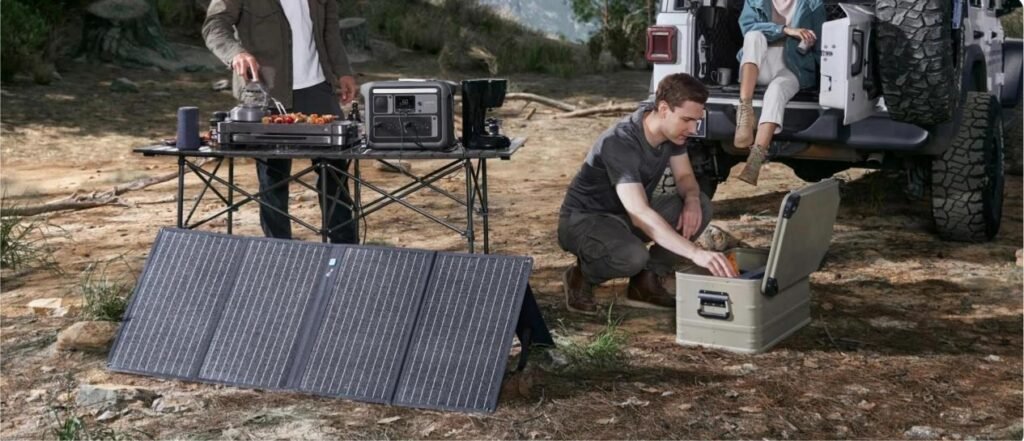
Panel wattage determines how quickly energy can be collected under good sunlight. Small panels may be enough for phones and GPS units, but laptops or camera battery packs often require higher output. Matching panel size to daily energy needs prevents slow charging and wasted daylight. Travelers who rely heavily on electronics benefit from slightly higher wattage to build a power reserve. Oversized panels, however, can add unnecessary bulk and weight. A balanced choice supports reliable charging without sacrificing portability.
Look for High-Efficiency Solar Cells
Solar cell efficiency affects how much electricity can be generated from limited sunlight. Higher efficiency panels perform better during cloudy conditions or early morning light. This advantage becomes noticeable when charging windows are short or weather is unpredictable. Efficient cells also allow for smaller panel sizes while still producing useful output. For travelers with limited packing space, this can make a meaningful difference. Strong efficiency ensures more dependable charging across varying outdoor conditions.
2. Portability and Build Quality
Prioritize Lightweight, Foldable Designs
Travel gear must be easy to carry, store, and set up. Foldable panels fit into backpacks or car storage compartments without taking up too much room. Lightweight designs make repositioning the panel throughout the day less of a chore. Frequent travelers appreciate equipment that can be packed quickly during sudden weather changes. Compact designs also reduce the risk of damage during transport. Portability directly affects how often a solar kit is actually used.
Ensure Durable, Weather-Resistant Materials
Outdoor environments expose gear to dust, moisture, and constant handling. Durable outer layers and reinforced stitching help panels survive repeated trips. Weather-resistant materials protect internal components from light rain or morning dew. Strong surfaces also resist scratches when placed on rocky ground or picnic tables. Reliable construction extends the usable life of the kit. Durability is just as important as electrical performance in travel situations.
3. Outputs and Device Compatibility
Check for USB, DC, and Power Station Ports
Different devices require different types of power connections. USB ports are useful for phones, headlamps, and small electronics. DC outputs or dedicated connectors may be needed for portable power stations or battery packs. A variety of ports allows multiple devices to charge at once. This flexibility reduces the need for extra adapters or cables. Compatibility ensures smoother daily use.
Verify Built-in Safety for Battery Protection
Safe charging protects both devices and the solar equipment itself. Overcurrent, overvoltage, and short-circuit protection reduce the risk of damage. These safeguards are especially important when charging expensive electronics outdoors. Reliable kits manage power flow automatically to prevent overheating. Built-in safety features add confidence when charging unattended. Protection systems contribute to long-term reliability.
4. Ease of Setup and Use
Look for Built-in Stands for Easy Angling
Proper panel angle improves charging performance throughout the day. Built-in stands allow quick adjustment toward the sun without extra accessories. This feature helps maintain strong output as sunlight shifts. Easy setup encourages more frequent repositioning for better efficiency. Stable stands also keep panels off damp or uneven ground. Convenience plays a major role in everyday usability.
Prefer Kits with Clear Charging Indicators
Visual indicators make it easier to understand charging status at a glance. Lights or display panels show whether the panel is actively producing power. This feedback helps with repositioning if output drops due to shade. Clear indicators also confirm when devices are connected properly. Quick status checks reduce guesswork in outdoor settings. Simple information improves user confidence.
5. Reliability and Support
Assess the Quality of Included Cables
Cables are often overlooked but play a crucial role in consistent charging. Thick, well-insulated wires resist wear from frequent packing and bending. Secure connectors reduce the chance of loose connections interrupting charging. Durable cables also handle outdoor temperature changes better. High-quality accessories save the trouble of replacing parts early. Small details like cables affect the overall reliability of the kit.
Check the Warranty and Brand Reputation
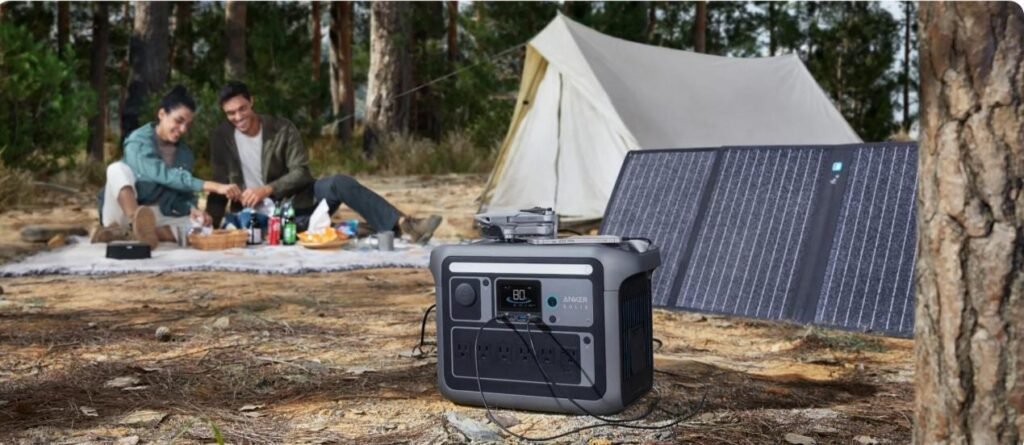
Warranty coverage reflects a manufacturer’s confidence in product durability. A strong reputation for long-lasting battery technology and dependable customer support adds peace of mind when investing in a solar kit. Some solutions, such as anker solix solar battery pack systems, are known for stable performance and extended service life thanks to advanced battery design. Reliable support becomes especially valuable when gear is used frequently in demanding travel conditions. Trustworthy brands also tend to provide clearer documentation and safety guidance. Evaluating these factors helps ensure long-term satisfaction beyond the initial purchase.
Conclusion
Choosing the right travel solar kit involves balancing power, portability, and durability. Matching panel wattage and efficiency to real energy needs ensures dependable daily charging. Lightweight yet rugged designs make gear easier to carry and more resistant to outdoor wear. Versatile outputs and built-in safety features improve compatibility and protect valuable devices. Easy setup tools and clear indicators simplify everyday use. Finally, strong warranty support and a solid brand reputation help guarantee that the investment continues to perform trip after trip.
