
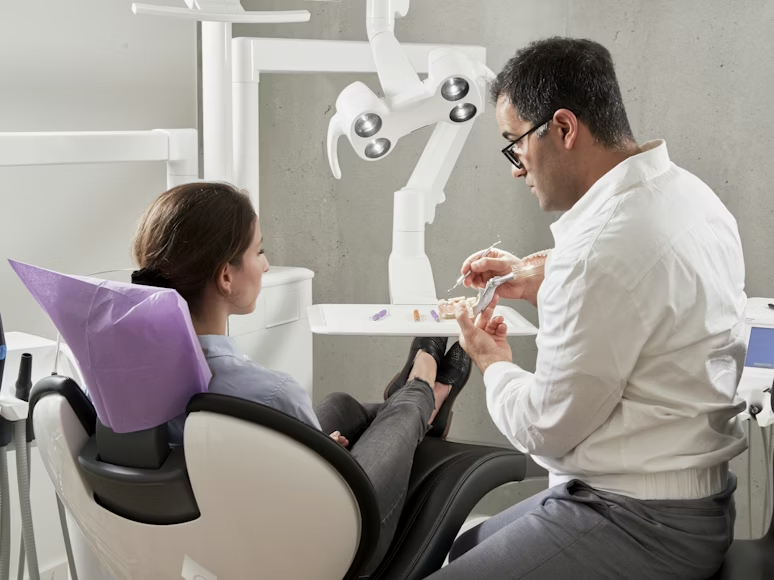
Your roadmap to better oral health and straighter teeth doesn’t begin with some grand plan; it starts small, almost boring, the kind of habits people ignore because they feel too obvious—brush, floss, rinse—but the difference lies in how consistently it’s done, not how perfectly, and most people get that backward.
You don’t need to overhaul everything at once. Just fix what you already know is off. Brushing twice a day sounds basic, yet technique is usually rushed, angles wrong, time cut short; two minutes turns into forty seconds without noticing. Slow it down. Pay attention to the gumline, not just the visible surfaces. Electric brushes help, sure, but only if used right; they’re just louder manual brushes.
What You Eat Shows Up Later
Diet sits in the background, almost invisible, but it shapes everything. Sugar isn’t just candy; it’s in drinks, sauces and things labeled “healthy” too. Frequency matters more than amount. Constant snacking keeps the mouth acidic, and teeth don’t get time to recover.
Water helps, simple but overlooked. Saliva does more work than people think; it neutralizes acid and supports repair. Dry mouth—caused by meds, stress, dehydration—shifts the whole balance. Suddenly, cavities show up faster. You can’t out-brush a bad diet. That part tends to be ignored.
Straight Teeth Are Not Just Cosmetic
People jump straight to braces or aligners as if they’re cosmetic tools only, but alignment affects cleaning, chewing and even jaw strain. Crowded teeth trap plaque and food particles. Gaps do something similar, just differently. Orthodontic treatment fixes position, yes, but also function.
Orthodontic Specialist Dr. Miller approaches treatment with that same idea. Each patient is handled as an individual, not just a set of teeth, building plans that go beyond the clinical side while staying current with newer techniques through ongoing education. It sounds simple, but it changes outcomes; personalized plans tend to hold better, not just look better. Traditional braces still work well; they’re visible, a bit inconvenient, yet precise. Clear aligners—Invisalign and similar—offer flexibility, less noticeable, easier for eating, but they require discipline.
Timing Changes the Work
Timing matters. For kids, early evaluation can catch issues before they worsen, guide jaw growth, reduce complexity later. For adults, it’s not too late, never really is, though treatment might take longer, and bone response might be slower. There’s a myth that braces are just for teenagers. Not true anymore.
Adults are a large portion of orthodontic patients now. Still, expectations need to be realistic. Teeth move, but slowly. Weeks pass with little visible change, then suddenly things shift. Patience is part of the process, whether people like it or not.
Gums Decide the Outcome
Gum health sits beside all of this, not behind it. Straight teeth don’t stay healthy if gums are neglected. Bleeding gums aren’t normal, even if common. It’s inflammation, the early stage of something worse.
Scaling and professional cleaning reset things, remove buildup that home care misses. Some avoid dental visits until pain forces them in—that’s the worst timing. Preventive visits are quieter, cheaper and less invasive. Pain usually means the problem is already deep.
The Bite Gets Ignored
There’s also the bite, often ignored because it’s less visible. How upper and lower teeth meet affects wear, muscle strain and even headaches sometimes. Misaligned bites can lead to uneven pressure—some teeth overworked, others underused.
Over time, enamel wears down, and sensitivity creeps in. Orthodontics can adjust this, but only if assessed properly. Not every crooked smile needs full correction, but function should be considered, not just appearance.
Looks vs Health
Whitening gets attention too, probably more than it deserves. It’s cosmetic, not health-related, yet it ties into the perception of oral care. Overuse of whitening products can irritate gums and increase sensitivity.
Used carefully, it’s fine. But it shouldn’t replace basic hygiene. Bright teeth with underlying decay—that happens more often than people expect.
Tools Don’t Fix Habits
Habits matter more than tools. Mouthwash can help, but it’s not a substitute for brushing or flossing. Sugar-free gum can stimulate saliva, useful in dry conditions. Night guards protect against grinding; many people clench without realizing it, especially under stress.
That pressure damages teeth slowly, silently. Cracks form, fillings fail sooner. Protection here is simple, yet often skipped until damage shows.
Do It Often, Not Perfectly
Consistency beats intensity. People start strong—new toothbrush, strict routine—then fade within weeks. The mouth doesn’t reset because of short bursts of effort.
It responds to what’s done daily, even imperfectly. Missing one night isn’t the issue; missing often is. And improvement isn’t always visible right away. Health stabilizes quietly.
Avoidance Makes It Worse
There’s also psychology tied into this. People avoid dental care because of fear, past experiences or discomfort. That avoidance builds problems, which then require more invasive treatment, reinforcing the fear. A loop.
Breaking it doesn’t require courage all at once—just one visit, a simple check, no major procedure. Starting small works here, too.
New Tech, Same Biology
Technology keeps changing things. Digital scans replace messy impressions, and treatment planning gets more precise. Aligners are mapped out in stages before the first tray is worn. Yet the human element hasn’t changed much.
Teeth still move biologically, slowly, responding to pressure over time. No shortcut replaces that process.
It’s Not a Straight Line
Your roadmap, if it can be called that, isn’t linear. It’s more like a set of parallel tracks—cleaning, diet, alignment, monitoring—running together, sometimes uneven, sometimes interrupted. You adjust as needed. Some weeks are better than others. That’s fine.
What matters is direction, not perfection. And the outcome—healthier gums, fewer cavities, straighter teeth—comes from accumulation, not sudden change.
So it stays simple, almost annoyingly so. Brush properly. Floss even when you don’t feel like it. Watch how often sugar shows up.
See a dentist before something hurts. If alignment is off, consider fixing it—not just for looks, but for function. Stick with it longer than feels necessary. Results follow, slowly, then all at once.
