
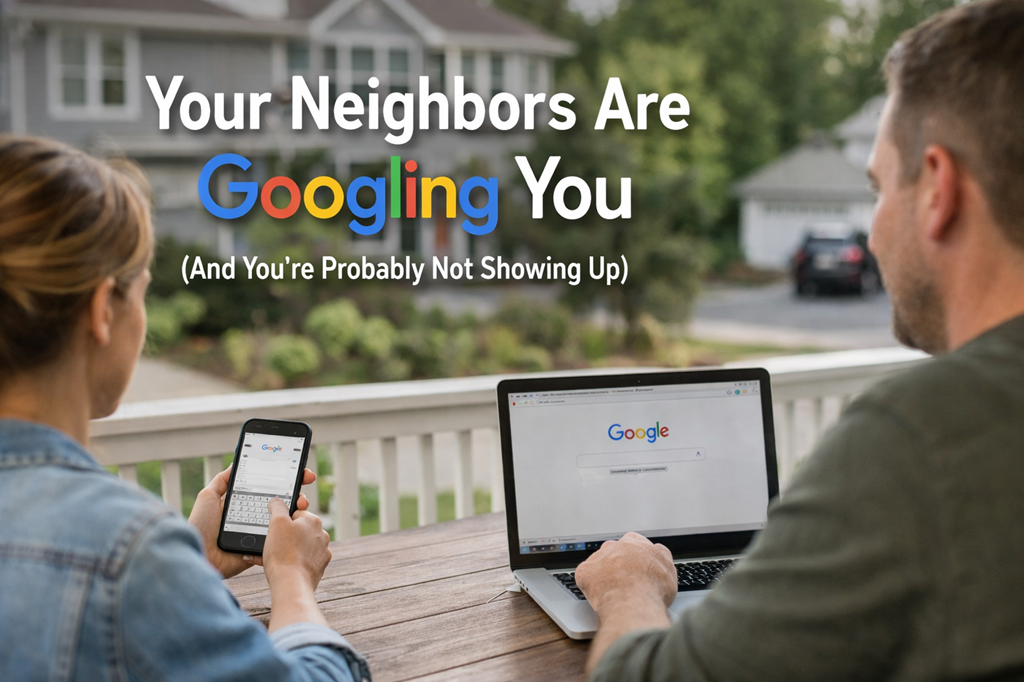
Somebody in your city searched for what you sell today. Maybe ten people did. Maybe a hundred. They typed something like “best tacos near me” or “plumber open now,” and Google gave them a list. If your business wasn’t on it, you didn’t exist to those people. No second chances.
And look, this isn’t some distant problem for businesses that “haven’t gone digital yet.” Roughly 76% of people who search for something nearby end up visiting a business within a day. That’s not window shopping. Those are people with wallets out, ready to spend money at whoever Google points them toward.
So, local SEO matters. A lot. But most small business owners treat it like an afterthought, something they’ll “get to eventually” right after updating the menu or fixing that wobbly table by the door. The problem is your competitors aren’t waiting. They’re claiming their Google Business Profiles, stacking reviews, and showing up in the local 3-pack while you’re still debating whether you need a website at all.
Google Doesn’t Care About Your Vibes
Here’s what actually decides whether your business pops up in local results: relevance, distance, and prominence. Google said this themselves. It’s not a secret formula or some hack you need to pay a guru for.
Relevance is whether your business info matches what someone typed. Distance is how close you are to the person searching. And prominence is basically how legit Google thinks you are based on reviews, links, and how complete your profile is.
That third one trips people up. You could be two blocks from the person searching, but if your Google Business Profile is half-empty and you’ve got three reviews from 2021, you’re getting buried under the shop across town that actually filled out their hours, uploaded photos, and responds to customer feedback.
The Google Business Profile Thing
If you don’t have one, stop reading and go set it up. Seriously. It’s free. Google literally gives you a storefront in their search results and a pin on Google Maps, and it costs nothing.
But having one isn’t enough. The US Chamber of Commerce recommends making sure your name, address, and phone number match across every platform where your business appears. Sounds minor, right? It’s not. Inconsistent info confuses Google’s algorithm, and confused algorithms don’t rank you well.
Add photos. Real ones, not stock images of people shaking hands in a conference room. Upload pictures of your actual storefront, your team, and your products. Businesses with photos on their profiles get more clicks to their websites and more requests for driving directions. That’s straight from Google’s own data.
Reviews Are Currency Now
You know that friend who won’t try a restaurant unless it has at least 4.3 stars? That’s everyone now. About 83% of consumers check Google for local business reviews before making a decision. Your star rating is doing more selling than your Instagram ever could.
And it’s not just about collecting five-star reviews (though those help). Responding to reviews matters too. When someone leaves feedback and you actually reply, it signals to both Google and future customers that there’s a real person behind the business who actually cares.
Bad review? Don’t panic. Don’t get defensive. A thoughtful response to a one-star review can sometimes do more for your reputation than ten perfect ratings. People respect businesses that handle criticism like adults.
The “Near Me” Explosion
“Near me” searches have surged over the past few years. People aren’t typing full addresses anymore. They’re typing “coffee near me” while sitting in their car. They’re asking Siri for “the closest dry cleaner” while walking down the street.
If your business isn’t set up to catch those searches, someone else’s is. And that someone else might have an objectively worse product than you. Doesn’t matter. They showed up. You didn’t.
This is where having your website, your Google profile, your directory listings, and your social media all singing the same song becomes non-negotiable. Google cross-references everything. If your website says you close at 8 but your Google profile says 9, that’s a trust issue in the algorithm’s eyes.
Small Tweaks, Big Gaps
You don’t need to spend thousands of dollars to get this right. Some of the highest-impact moves are embarrassingly simple.
Update your business hours. All of them, including holidays. Add your services or menu items to your Google profile. Pick the right business categories (your primary category is the one that matters most for ranking). Write a real business description that includes the words people would actually search for.
That last part gets overlooked constantly. If you’re a bakery in Dallas that specializes in custom cakes, your description should probably mention “custom cakes” and “Dallas.” Not because you’re trying to game the system, but because that’s literally what your customers are typing into Google.
The Businesses That Get This Right
Walk around any neighborhood and you’ll notice something. The shops that are always busy? They’re usually the ones that pop up when you Google their category. It’s not a coincidence.
These businesses treat their online presence the same way they treat their physical space. They keep it clean, updated, and welcoming. They ask happy customers to leave reviews. They post updates when they’ve got new stock or a weekend special.
None of this is rocket science. It’s just consistency. And right now, a lot of small businesses are leaving the door wide open for competitors who are willing to put in twenty minutes a week to manage their local search presence.
So if you’ve been sleeping on this stuff, consider this your alarm clock. Your neighbors are searching. The only question is whether they’re finding you or the other guy.
