
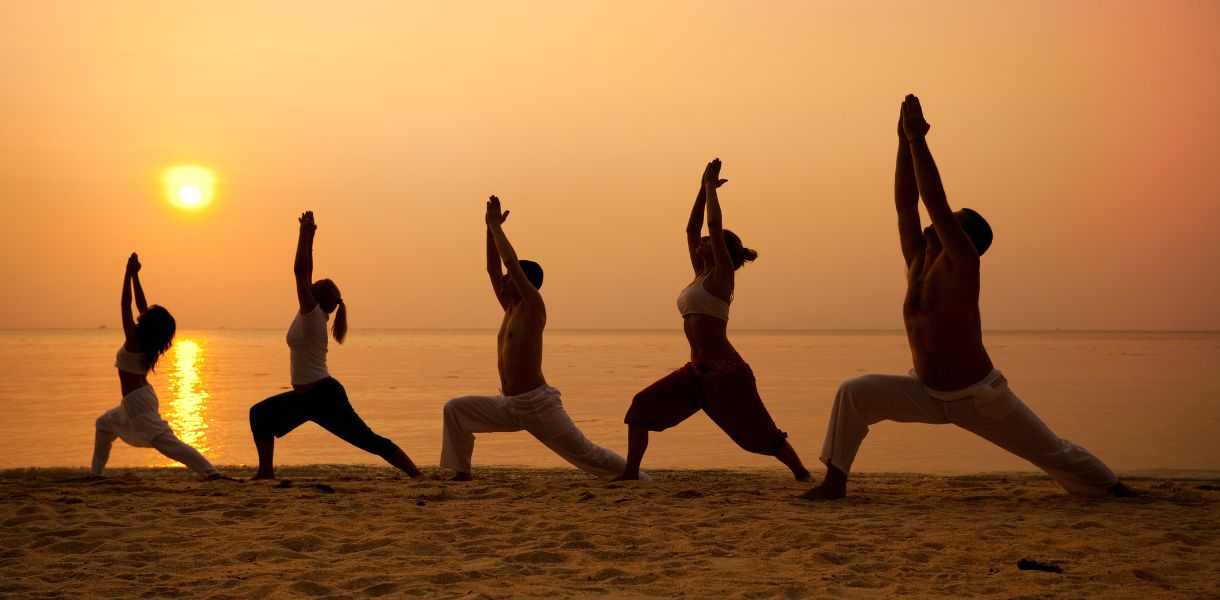
In today’s fast-paced life, maintaining a healthy body isn’t enough; holistic health emphasizes the balance of body, mind, and spirit. Mental stress is a common problem in today’s life. Holistic health care involves improving emotional and mental health through meditation, yoga, and pranayama. Regular yoga practice increases flexibility, improves muscle strength, improves posture, and boosts immunity. It is a simple and sustainable practice that can be adopted by people of all ages and fitness levels. It is a lifestyle that promotes mindfulness, self-awareness, and compassion, as well as healthy eating habits and improved mental concentration. Yoga helps maintain healthy blood pressure, heart function, and metabolism, and serves as both a preventative measure and treatment for many lifestyle-related, chronic diseases. People are increasingly turning to Ayurveda, yoga, and natural remedies, which heal the body from within without any side effects.
Understand Yoga as A Full Mind-Body Practice
Helps with stress reduction, anxiety reduction, and with it depression, the outcome is you will have a relaxed and focused mind. Yoga is more than mere physical exercises, it is a full-bodied practice. An indigenous way of practice in India that has a great influence on our health wellness. The Series of movements, poses and breathing increased flexibility, strengthened muscles, And improved balancing, Therefore this keeps that joint nice and healthy. Yoga, which literally means “union,” helps you align the body and mind to live a better life. This methodology also provides better respiratory and cardiovascular health, fortifying the body internally which results in improved overall health. Basically what this does is keeps the body in shape, Plus helps the person in obtaining self-control and peace of mind.
Real Benefits of Yoga practice for Good Physical Health
Regular yoga workouts tend to make muscles stronger and make you more flexible thus alleviating joint pain. Yoga helps in controlling blood pressure and cholesterol which decreases the possibility of heart diseases. It makes the digestive system more active and improves the body immune system so that it can prevent diseases. Pranayama and yoga asanas build up the lung capacity and improve the oxygen flow around the system. Surya Namaskar and other active yoga helps to maintain weight by reducing fats and improves metabolism. It makes your spine flexible hence improves your posture. Also, reduces the back and neck pain.
Mental and Emotional Wellness Through Yoga
Yoga and meditation can control negative thinking that leads you into depression the best way to learn is to join 200 hour yoga teacher training in rishikesh that will help you learn in detail. Yoga and pranayama go a long way in making the body flexible and as a cure for mental and emotional problems. Through regular yoga sessions, we can decrease stress, anxiety and tension, resulting in peace and a focused mind. Regular practice of Pranayama( particularly Bhramari) with yoga asanas keeps the emotions in check by reducing anger, irritability and restlessness. Yoga helps us understand our body and mind and increases our capability to cope with challenges. Asanas like Shirshasana, Child’s Pose and Shavasana increase blood flow to the brain, which in turn improves concentration and increases quality of sleep.
The Science Behind Yoga and Stress Reduction
Scientific studies have shown that regular yoga practice, especially pranayama and meditation, significantly reduces cortisol (the main stress hormone) levels in the body. Yoga postures and breathing control slow the heart rate and lower blood pressure, leading to a feeling of deep peace. Through mindfulness and meditation, yoga helps break the cycle of negative thoughts that fuel anxiety and stress. Yoga calms the sympathetic nervous system (responsible for the “fight or flight” response) and activates the parasympathetic nervous system, which is known as the “rest and digest” state. Regular yoga practice increases gray matter in the brain, especially in areas responsible for emotional regulation and self-awareness. Yoga acts as a physical activity that increases the production of ‘feel-good’ neurotransmitters endorphins in the brain, thereby improving mood.
Yoga for Different Age Groups and Lifestyles
Yoga is a blessing for people of all ages, but the method and postures may vary. Practicing yoga for different age groups and lifestyles is a unique way to keep the body and mind healthy, balanced, and energetic. For children and adolescents, yoga helps improve concentration, memory, and physical development. Surya Namaskar, Vrikshasana, and Pranayama (such as Bhramari) reduce mental stress and discipline them. Amidst the pressures of career and family, this group is at risk of stress and lifestyle-related diseases (such as diabetes and high blood pressure). Meditation, Vinyasa yoga, and Hatha yoga are excellent for mental peace and body flexibility. People with desk jobs can practice chair-based asanas (such as Marjari Asana, neck exercises) and subtle yoga to help relieve neck, back, and shoulder pain. Gentle yoga for older adults, such as shavasana and chair yoga, can help strengthen muscles and improve balance. Those who are not active can start with light stretching. A yogic lifestyle, meanwhile, includes a sattvic diet, positive thinking, proper breathing (pranayama), and yoga nidra.
Building a Sustainable Yoga Routine for Long-Term Wellness
Making yoga a part of your daily routine is an important decision for long-term wellness and you can also start your journey with yoga teacher training in rishikesh. Make yoga a habit, not a burden. When you practice yoga daily, it is most beneficial for mental and physical health. Don’t do the same postures every day. Incorporate physical poses, breathing exercises, and meditation. Start with 15-20 minutes daily. A short practice every day is better than an hour of practice once a week. Don’t force yourself. Choose postures according to your ability. The goal of yoga is to make the body flexible and strong, not to injure it. The purpose of yoga is not to perform perfect postures, but to connect with your body and mind. Yoga is not just physical exercise; it is important to coordinate your breath with each stretch, which calms the mind. Morning time is best, but if you do not get time then do yoga in the evening or by taking short breaks in between office work.
