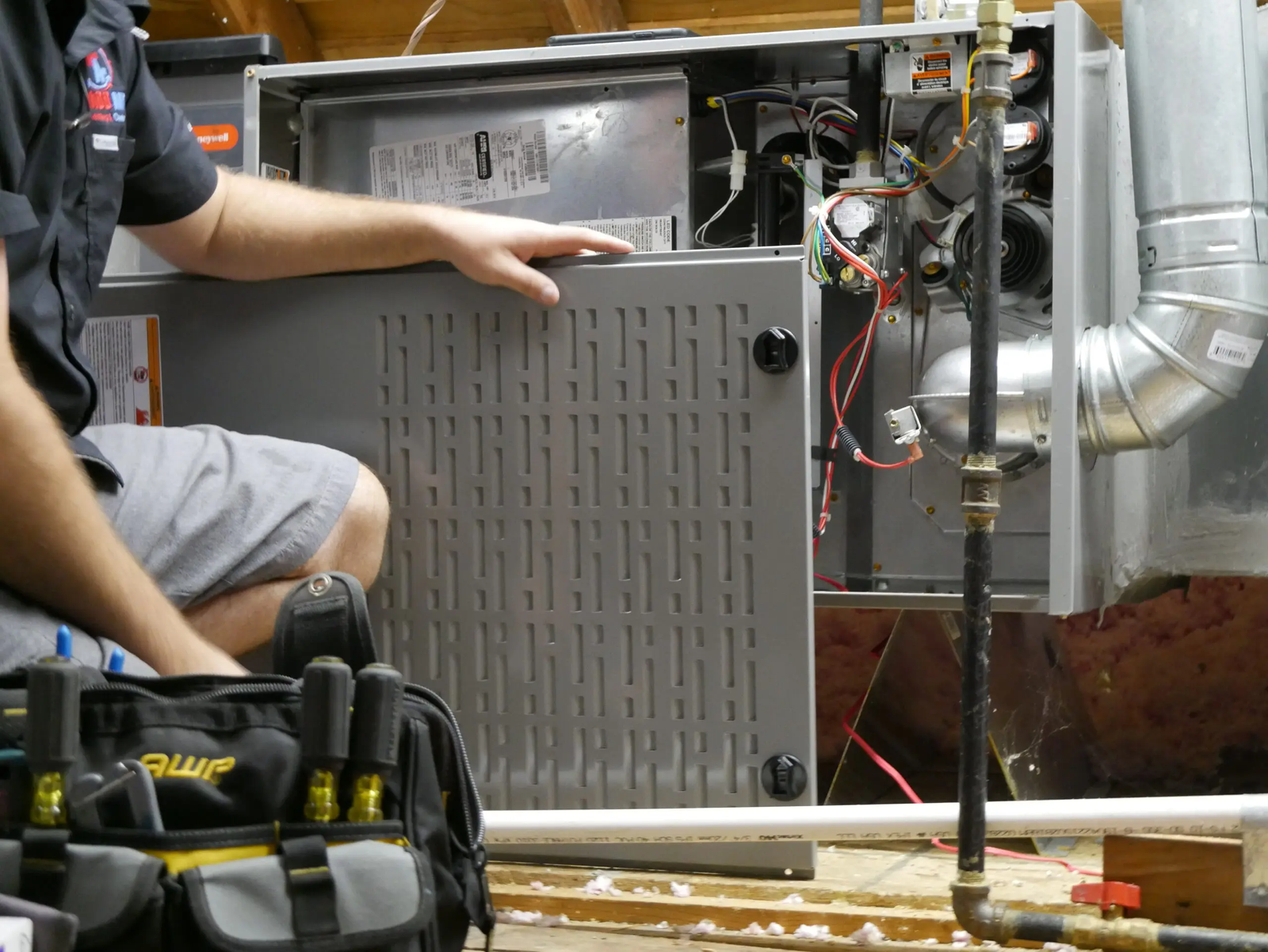
A properly functioning furnace is essential for maintaining a warm, comfortable, and safe indoor environment, particularly during colder seasons when consistent heating is necessary. When a furnace fails to heat properly, it can lead to uneven temperatures, increased energy bills, and discomfort for everyone in the home. In some cases, unresolved furnace issues can even pose safety risks, especially if they involve gas leaks or electrical faults. Understanding the common causes behind furnace problems and learning how to address them effectively allows homeowners to restore performance, improve efficiency, and prevent costly breakdowns in the future through timely furnace repair and maintenance.
Common Signs Your Furnace Is Not Working Properly
Before identifying the exact cause of the problem, it is important to recognize the warning signs of a malfunctioning furnace. Homeowners may notice that certain rooms are colder than others, the system is running continuously without reaching the desired temperature, or the airflow from vents feels weak or cool instead of warm. Unusual noises such as banging, rattling, or squealing may also indicate internal issues. In some cases, the furnace may turn on and off frequently, a problem known as short cycling, which reduces efficiency and places unnecessary strain on the system. Detecting these signs early allows for timely furnace repair, helping prevent further damage and restoring consistent heating.
Thermostat Issues and Calibration Problems
One of the most common reasons a furnace does not heat properly is a malfunctioning or improperly set thermostat. If the thermostat is not calibrated correctly or is placed in an area that does not reflect the overall temperature of the home, it may send incorrect signals to the furnace. This can result in insufficient heating or inconsistent temperature control. Checking the thermostat settings, replacing batteries if needed, and ensuring it is set to “heat” mode can often resolve simple issues. In more complex cases, upgrading to a programmable or smart thermostat can improve temperature accuracy and overall efficiency.
Dirty or Clogged Air Filters
Air filters play a crucial role in maintaining proper airflow within the furnace system. Over time, filters can become clogged with dust, dirt, and debris, restricting airflow and reducing the furnace’s ability to distribute heat effectively. When airflow is blocked, the system must work harder to circulate warm air, leading to overheating, reduced efficiency, and potential system shutdowns. Replacing or cleaning air filters regularly is one of the simplest and most effective ways to maintain proper furnace operation and ensure consistent heating throughout the home.
Ignition or Pilot Light Problems
Furnaces rely on ignition systems or pilot lights to generate heat. If the pilot light goes out or the ignition system fails, the furnace will not produce heat even if it is running. This issue can be caused by a faulty thermocouple, gas supply problems, or dirt buildup around the ignition components. Relighting the pilot light may resolve the issue temporarily, but recurring problems often require professional inspection and repair. Ensuring that ignition components are clean and functioning correctly is essential for safe and reliable furnace operation.
Blocked or Leaky Ductwork
The duct system is responsible for distributing heated air throughout the home. If ducts are blocked, damaged, or leaking, warm air may not reach all areas effectively, resulting in uneven heating and reduced comfort. Leaks in the ductwork can also cause significant energy loss, as heated air escapes before reaching its intended destination. Inspecting ducts for visible damage, sealing leaks, and ensuring vents are open and unobstructed can help restore proper airflow and improve overall heating efficiency.
Mechanical Wear and Component Failure
Like any mechanical system, furnaces experience wear and tear over time. Components such as blower motors, belts, bearings, and heat exchangers can degrade with regular use, affecting performance and reliability. A worn-out blower motor may struggle to circulate air, while a damaged heat exchanger can reduce heating efficiency and pose safety risks. Addressing these issues typically requires professional furnace repair or replacement of faulty components. Routine maintenance helps identify wear early and prevents unexpected system failures.
Dirty Burners and Flame Sensor Issues
Burners and flame sensors are critical for proper furnace operation. If burners become dirty or clogged, they may not ignite properly, leading to weak or inconsistent heating. Similarly, a dirty or malfunctioning flame sensor can prevent the furnace from staying lit, causing it to shut down prematurely. Cleaning these components or replacing faulty parts can restore proper function and ensure the furnace operates efficiently and safely.
Importance of Regular Maintenance
Regular furnace maintenance is essential for preventing heating problems and ensuring long-term performance. Annual inspections by a qualified technician can identify potential issues before they become major repairs. Maintenance typically includes cleaning internal components, checking electrical connections, inspecting the heat exchanger, and ensuring proper airflow throughout the system. Homeowners who invest in routine maintenance often experience fewer breakdowns, lower energy costs, and a longer lifespan for their furnace.
When to Call a Professional
While some furnace issues, such as replacing air filters or adjusting thermostat settings, can be handled by homeowners, more complex problems require professional expertise. Issues involving gas lines, electrical components, or internal mechanical parts should always be addressed by trained technicians to ensure safety and proper repair. Attempting to fix these problems without the necessary knowledge or tools can lead to further damage or potential hazards. Professional technicians have the experience and equipment needed to diagnose issues accurately and perform reliable furnace repair services.
Improving Efficiency After Repairs
Once the furnace is repaired, homeowners can take additional steps to improve efficiency and maintain consistent heating. Sealing air leaks around doors and windows, adding insulation, and upgrading to energy-efficient furnace models can enhance overall performance. Installing a programmable thermostat allows for better temperature control and energy savings by adjusting heating levels based on daily schedules. These improvements not only increase comfort but also reduce long-term energy expenses.
Conclusion
A furnace that is not heating properly can be caused by a variety of factors, ranging from simple maintenance issues to complex mechanical failures. By understanding common problems such as thermostat malfunctions, clogged filters, ignition failures, and ductwork issues, homeowners can take proactive steps to address concerns and restore heating efficiency. Regular maintenance, timely furnace repair, and professional assistance when needed are essential for keeping a furnace running smoothly and safely. Ensuring that your heating system operates at its best not only improves comfort but also protects your home and reduces long-term costs, making furnace care a vital part of responsible homeownership.
