
Many leaders still view the training budget as a discretionary expense. It’s the first thing to be cut when the economy takes a dip. This perspective is outdated in the modern business era. In fact, this is dangerous.
Treating learning as a cost is like a professional athlete viewing practice as a waste of time. In reality, workplace learning is the engine that drives every other part of the business, including innovation and customer satisfaction. It is the only way to ensure that your most expensive asset, your people, continue to increase in value over time.
Why Learning at Work Matters More Than Ever
The world of work has fundamentally shifted. We no longer live in an era where a college degree provides a toolkit that lasts a forty-year career. The tools we use, the way we communicate, and the problems we solve are in a state of constant flux.
Jobs and Skills Are Changing Faster Than Before
The lifespan of a professional skill is now estimated to be only five years. This means that half of what your team knows today will be obsolete or irrelevant by 2030. If a company isn’t actively teaching its staff, that company is essentially becoming 10% less competent every single year.
Companies Compete on What Their People Can Do
We live in a world where technology and products can be copied almost instantly, but the only thing a competitor cannot steal is the collective intelligence of your team. The knowledge gap between you and your rival is the real battlefield.
William Fletcher, CEO at Car.co.uk, reinforces this by saying, “The market no longer pays you for what you know, but for how fast you can learn something new. In a race where the track is constantly changing, the most adaptable team, not the most experienced one, always takes the lead.”
Training Prevents Bigger Problems
When a company sees “Training: $50,000” on a spreadsheet, they see money leaving the bank. What the spreadsheet doesn’t show is the $200,000 lost to errors, slow workflows, and frustrated customers that would have happened without that training.
What Happens When Employees Don’t Have the Right Skills
Skill gaps are silent killers. They manifest as busy work, where employees take three hours to complete a task that should take thirty minutes. Without proper training, staff often rely on workarounds that are inefficient and prone to security risks, especially in technical fields.
Real Cost of Fixing Mistakes and Delays
A mistake made by an untrained employee doesn’t just cost the time it took to do the work; it costs the time to undo it, the materials wasted, and the potential damage to the brand’s reputation. For instance, in the healthcare or manufacturing sectors, a lack of training causes a liability.
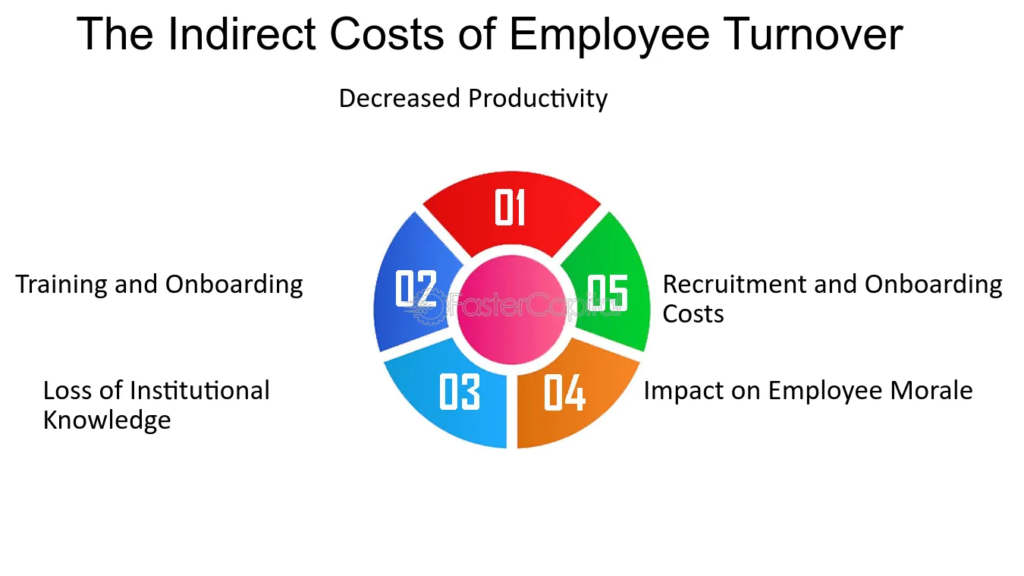
Constant Hiring Is More Expensive Than Learning
Replacing an employee typically costs about 33% of their annual salary. For a mid-level manager earning $90,000, that’s a $30,000 loss every time someone walks out the door. Investing $5,000 in that person’s growth is a massive financial savings.
How Learning Helps Companies Stay Ahead
Companies like Amazon and IBM don’t spend billions on Career Choice programs because they are being nice. They do it because a learning workforce is an agile workforce.
Employees Learn Faster and Work Better
When learning is a habit, employees become better at “learning how to learn.” They pick up new software faster and find shortcuts that save the company money. This efficiency directly impacts the bottom line, with some studies showing that companies with formalized training have significantly higher income per employee.
Teams Adjust More Easily to Change
Consider how quickly companies had to pivot during the rise of remote work or the AI explosion. Organizations with a strong learning culture didn’t panic because they simply integrated the new skills into their existing routine.
Dr. Amanda Baes, owner of Healing Hands Chiropractic, highlights the necessity of this mindset by stating, “You don’t build a business to stand still; you build it to move. If your employees aren’t growing, your business is effectively shrinking, regardless of what your current revenue says.”
Knowledge Stays Inside the Company
When you train your people, you build a “Brain Trust.” By encouraging veteran employees to mentor newer ones, you ensure that how we do things here is documented and passed down, rather than disappearing when someone retires or resigns.
Learning Makes Employees Want to Stay
The #1 reason people leave their jobs today isn’t actually money. People leave due to a lack of career development. If a worker feels like they are standing still, they will look for a place that moves them forward.
People Leave When They Stop Growing
Top performers are naturally curious. If their daily routine becomes a dead end, they disengage. By offering learning opportunities, you provide a reason to stay that goes beyond the paycheck.
Career Development Builds Loyalty
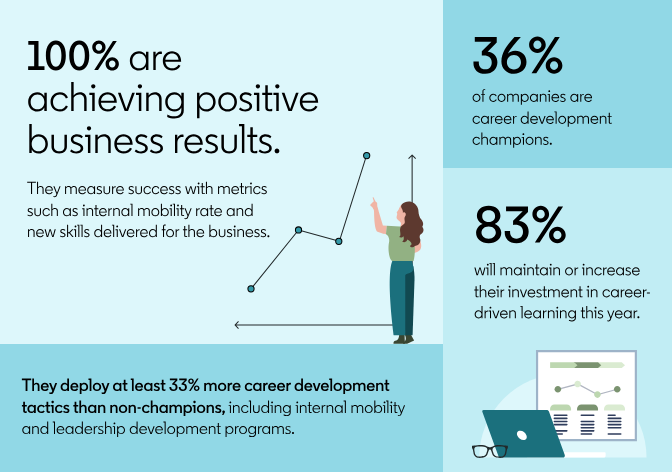
83% of forward-thinking companies are maintaining or increasing their investment in career-driven learning. When a company pays for an employee’s certification or gives them time to attend a workshop, it sends a clear message: We believe in your future. This creates a psychological contract of loyalty that is much harder for a headhunter to break with a slightly higher salary offer.
Saving Money by Reducing Turnover
LinkedIn’s recent reports show that an overwhelming majority of employees would stay at a company longer if it invested in their careers. In an era of high turnover, a learning culture is your best retention strategy.
Learning Leads to Better Ideas and Solutions
Innovation does not occur in a vacuum. It happens when someone applies a new piece of knowledge to an old problem.
Confident Employees Solve Problems Faster
An employee who has been trained in Critical Thinking or Agile Methodology doesn’t run to their manager for every hiccup. They have the toolkit to analyze the situation and solve it themselves, freeing up leadership to focus on high-level strategy.
Encouraging Curiosity and New Thinking
A learning culture allows employees to ask “why?” Companies like Google famously encouraged time for personal projects. This led to the creation of Gmail and AdSense. These are innovations that likely wouldn’t have happened in a rigid work environment.
Improving What Already Works
Learning isn’t always focused on new things. Sometimes, it’s about learning how to perform the old tasks better. Training is often about looking at existing processes and finding ways to reduce waste and improve efficiency.
Sharon Amos, Director at Air Ambulance 1, notes that “The most expensive phrase in business is ‘we’ve always done it this way.’ A culture of learning is the only antidote to that stagnation, turning every employee into a potential architect of a better process.”
Why Learning Should Be Part of Everyday Work
The biggest mistake a company can make is thinking that learning only happens in a classroom. The most effective learning happens in the flow of work.
Learning on the Job Rather than in Classrooms
Micro-learning refers to short 5-minute videos or quick guides that allow employees to learn a skill exactly when they need it. This “just-in-time” learning is often more effective than a three-day seminar that everyone forgets two weeks later.
Managers Helping Employees Learn
The manager’s role has shifted from supervisor to coach. A manager who asks, “What did you learn from that project?” or “What skill do you want to master this quarter?” is actively building the company’s competitive advantage.
Simple Tools That Support Learning
You don’t need a multi-million dollar Corporate University. Internal Wikis, Slack channels for sharing industry news, and lunch learning sessions are low-cost ways to keep the gears of curiosity turning.
Can We Afford Not to Invest in Learning?
As we move forward, the gap between learning organizations and static organizations will only widen. The cost of a subscription to a learning platform or a weekend workshop is a drop in the bucket compared to the cost of a workforce that doesn’t know how to use the technology of tomorrow.
Investing in your people is one of the safest long-term investments a company can make. Buildings age, software becomes outdated, and patents expire. But a team that knows how to learn, adapt, and grow is a resource that never stops paying dividends. Don’t think about whether you can afford to train your people because you cannot afford the consequences if you don’t.
