
Across Canada, site maintenance is closely linked to safety, access, and productivity. Tree stumps left behind after clearing work can create trip hazards, block equipment movement, slow landscaping activity, and interfere with future ground use. For warehouse managers, equipment operators, logistics professionals, and industrial procurement teams, stump removal may not seem like a core concern at first. In practice, it often affects yard readiness, property maintenance, drainage planning, and the safe use of industrial land.
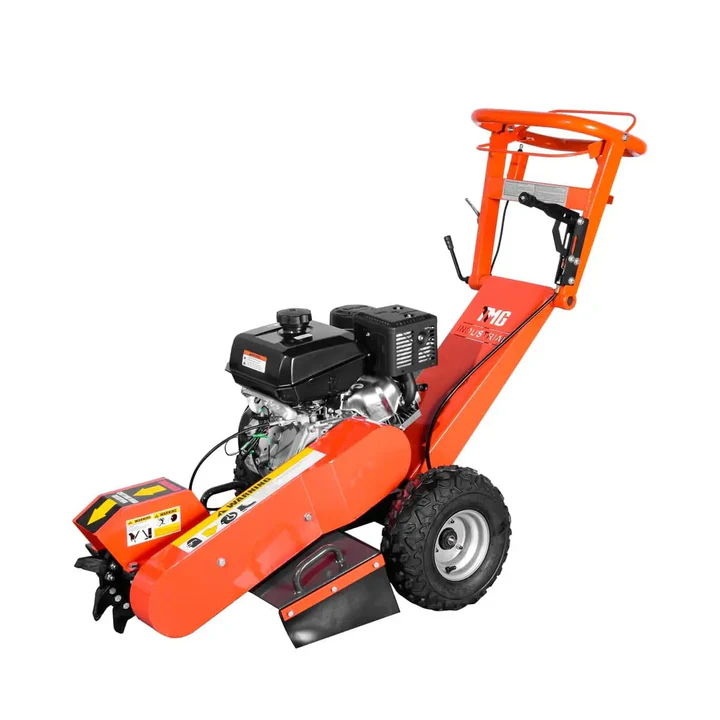
A Walk-Behind Kohler Powered Stump Grinder is designed for this kind of work. Unlike larger tow-behind or dedicated self-propelled machines, a walk-behind stump grinder offers a more compact approach for controlled stump removal in smaller or harder-to-reach areas. In Canadian conditions, where mixed-use yards, municipal sites, farms, and commercial properties often need practical ground maintenance, this makes the equipment highly relevant.
Why This Equipment Matters in Canada
Canadian sites often deal with changing land use, seasonal clearing, storm cleanup, and repeated vegetation management. A stump left in place can become a hazard during snow removal, grounds work, trailer movement, and machine access. In industrial and institutional environments, unfinished stump removal can also delay fencing, paving, grading, or storage expansion.
Walk-behind stump grinders are especially useful in:
· Industrial yards and site perimeters
· Municipal parks and roadside areas
· Agricultural properties and service lanes
· Commercial grounds and facility expansion zones
How Walk-Behind Stump Grinders Work
Controlled Surface and Below-Ground Cutting
A stump grinder uses a rotating cutting wheel fitted with carbide teeth to chip away wood gradually. The operator guides the machine side to side across the stump while lowering the cutting wheel in stages. This method removes material in a controlled way rather than tearing or pulling the stump from the ground.
Compact Access for Smaller Work Areas
Because the machine is walk-behind, it is useful where access is tighter or where a larger vehicle would be less practical. That can matter in fenced yards, landscaped edges, and areas near buildings or stored materials.
Why Efficiency, Safety, and Productivity Matter
Stump removal affects more than appearance. It improves ground usability and reduces the chance of equipment damage or worker injury. When stumps remain in active areas, they can interfere with mowing, transport routes, and future development work. Using the right grinder can reduce manual labour and speed up site preparation.
· Better ground clearance for vehicles and crews
· Faster site preparation after tree removal
· Reduced need for improvised manual removal methods
· Improved safety in active work zones
Technical Basics and Capability Considerations
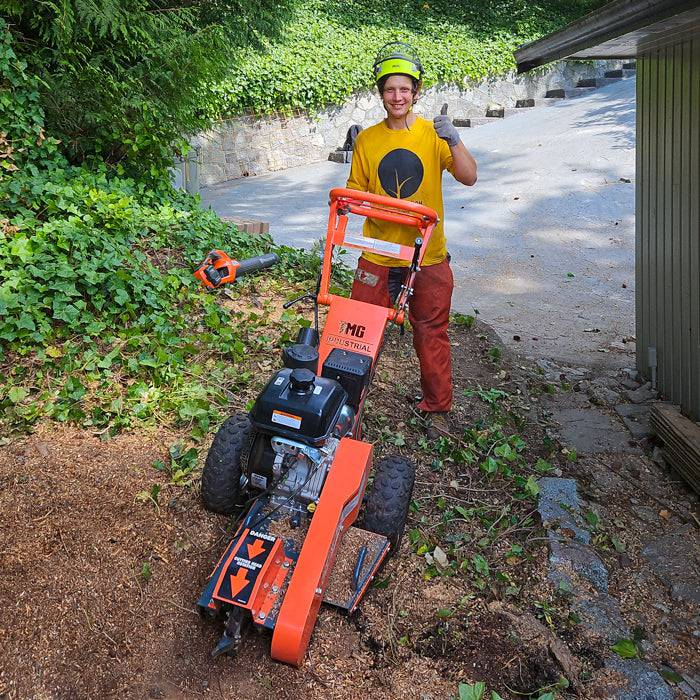
Buyers should review engine power, wheel size, tooth configuration, cutting depth, braking system, and operator control layout. In this equipment class, a 14 horsepower engine, 14 inch cutting wheel, and multiple carbide teeth support steady cutting performance on typical stump material. A drum brake and centrifugal clutch also matter because control and stopping ability are important during operation.
Factors That Affect Performance and Effectiveness
Real performance depends on stump diameter, wood hardness, soil condition, stone presence, operator technique, and tooth wear. A capable machine can still perform poorly if the teeth are dull, the stump contains embedded debris, or the work area is uneven and unstable.
Safety Best Practices, Tools, and Limits
· Inspect the cutting wheel, guards, belts, and controls before use
· Clear stones, wire, and metal debris from the stump area
· Wear eye, face, hearing, and foot protection
· Keep bystanders away from the discharge zone
· Operate only on stable ground with clear footing
Common related items include replacement carbide teeth, hand tools, fuel containers, protective equipment, and cleanup tools for wood chips. The main advantages are compact size, targeted cutting, and easier access in smaller spaces. The limits include slower output than larger dedicated machines and the need for careful operator control on uneven terrain.
A Real-World Example and Final Outlook
A practical example is a Canadian warehouse yard or municipal maintenance team removing old stump bases along a fence line before expanding trailer access or storage space. Instead of leaving hazards in place or relying on manual cutting, the team can grind stumps below grade and restore a safer, more usable surface.
Looking ahead, Canadian operations are likely to place greater value on compact land-clearing equipment that supports safer site preparation and more efficient property maintenance. For organizations managing mixed-use outdoor spaces, TMG Industrial walk-behind stump grinders will continue to play a practical role in keeping land clear, usable, and ready for the next task.
