
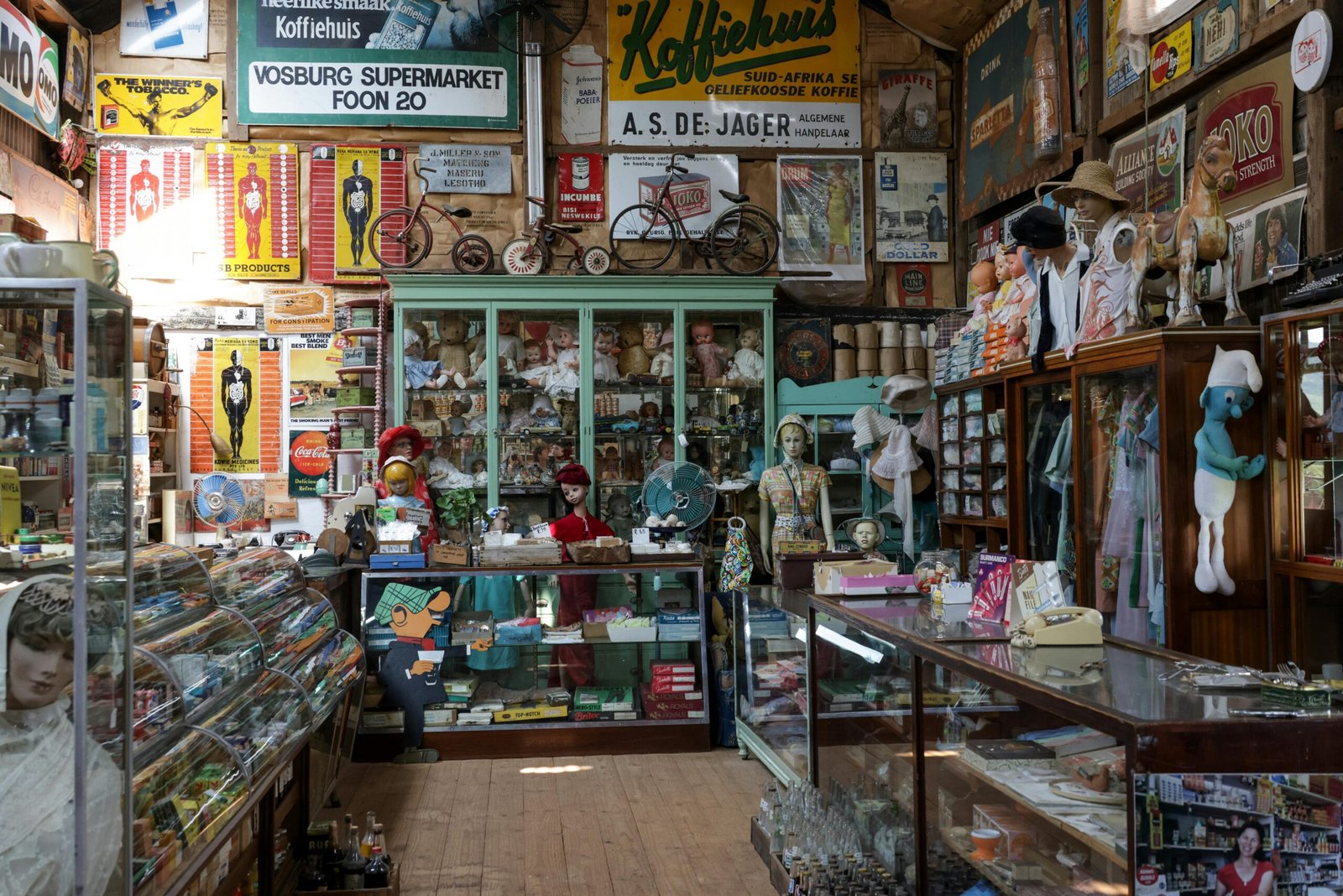
Have you ever come across an object you’ve kept for years, not because it’s useful, but because getting rid of it feels wrong somehow? It might sit on a shelf, get dusted occasionally, and never play an active role in your daily life. And yet, it matters. That quiet attachment says something about how people assign value, even when practicality has long passed.
We live in a culture that moves fast and replaces things quickly. Phones are outdated in two years. Furniture gets swapped out to match trends. Even investments are often framed as short-term plays. Against that backdrop, it’s easy to assume that anything small, decorative, or niche would lose relevance over time. But that assumption doesn’t always hold.
Some collectibles, especially the ones that never aimed for mass appeal, tend to outlast trends. They don’t spike dramatically in value. They don’t crash either. They just stay relevant, carried forward by people who understand what they are and why they matter. That kind of value is quieter, but it’s also harder to shake.
Why Some Collectibles Don’t Lose Their Pull
Niche collectibles often survive because they never try to appeal to everyone at once. Take Limoges boxes, for example. These small, hand-painted porcelain pieces were never designed to be flashy investments or trendy decor. Their value comes from something slower and more deliberate: craftsmanship, tradition, and limited production tied to skill rather than scale.
Each piece reflects time spent by a person, not a machine. The materials are specific. The designs are intentional. Production is naturally limited because it depends on human hands doing careful work. That alone puts a cap on supply without needing artificial scarcity or marketing pressure.
Collectors who value objects like this aren’t chasing rapid appreciation. They’re responding to consistency. The value holds because expectations are realistic. These items are cultural artifacts first, commodities second. That framing matters. It keeps demand steady and prevents the kind of volatility that comes from hype-driven markets.
Scarcity That Isn’t Manufactured
There’s a big difference between scarcity created by design and scarcity created by marketing. Many modern collectibles rely on artificial limits. A drop sells out. A countdown timer runs. Fear of missing out does the rest. That approach can work in the short term, but it often collapses once demand cools.
Niche collectibles usually don’t operate that way. Their scarcity comes from the process. Limited materials. Time-intensive methods. Skills that take years to develop. Production can’t simply be scaled up without losing what made the object valuable in the first place.
Because of that, supply stays relatively stable. There’s no sudden flood of similar items. Collectors trust that what exists today won’t be diluted tomorrow. That trust is a big reason value holds.
Emotional Value Doesn’t Expire on a Schedule
Another factor that keeps niche collectibles relevant is emotional attachment. These objects often mark moments. Gifts. Milestones. Trips. Personal interests that don’t change just because tastes do.
Emotional value doesn’t fluctuate with markets. It isn’t tied to resale timing. People don’t panic-sell items that carry memory. Instead, those objects stay in circulation slowly, passed between collectors who understand what they represent.
That emotional layer creates a floor under value. Even when trends shift, demand doesn’t disappear. It just moves quietly, sustained by people who aren’t in a rush.
Craftsmanship as a Value Anchor
Mass production tends to flatten differences. Everything looks the same. Everything feels replaceable. Craftsmanship does the opposite. It creates variation. Small imperfections. Signs that a human was involved.
In niche collectibles, craftsmanship isn’t just aesthetic. It’s structural. It affects durability, uniqueness, and trust. When collectors know how something was made, they can assess quality more accurately. That shared understanding stabilizes pricing.
Handcrafted items age differently, too. They don’t become obsolete when styles change. They become representative of a moment, a method, a tradition. That context adds weight over time instead of subtracting it.
Smaller Collector Communities Are Often More Stable
Large markets attract speculation. Smaller ones attract stewardship. That difference matters. In niche collecting communities, buyers tend to be informed. They know production history. They understand variations. They share knowledge.
This reduces price manipulation. It also discourages impulse buying and selling. Transactions happen more slowly, often through trusted channels. Value moves, but it doesn’t swing wildly.
Because of that, niche markets tend to correct gently instead of crashing. There’s less noise. Fewer outsiders chasing quick returns. More people who care about the objects themselves.
Cultural Context Carries Value Forward
Many niche collectibles are tied to specific places, eras, or traditions in a way that mass-produced items rarely are. That connection does more than explain where something came from. It gives the object a role beyond decoration. It becomes a small record of how something was made, where it was made, and what mattered at the time.
When an item reflects a particular craft tradition or historical moment, its value starts to layer itself. It isn’t only about rarity or condition anymore. It’s about what the piece represents and what it preserves. Collectors aren’t just holding onto an object. They’re holding onto a slice of context that doesn’t really exist outside of that form.
That kind of relevance doesn’t wear out the way trends do. Styles come and go. Cultural meaning tends to stick. In many cases, it grows heavier over time, as fewer examples remain and fewer people remember how or why they were made. Cultural grounding gives collectibles a longer memory, which makes them harder to replace and easier to keep.
Niche collectibles don’t compete with fast markets. They don’t need to. Their value comes from restraint, patience, and specificity. They hold worth because they were never designed to chase attention.
In a world that rewards speed and scale, that might seem outdated. In practice, it’s often more durable. Objects that move slowly tend to last longer. They find their people. They settle into place.
That kind of value doesn’t spike headlines. It just stays. And for collectors who understand it, that’s enough.
