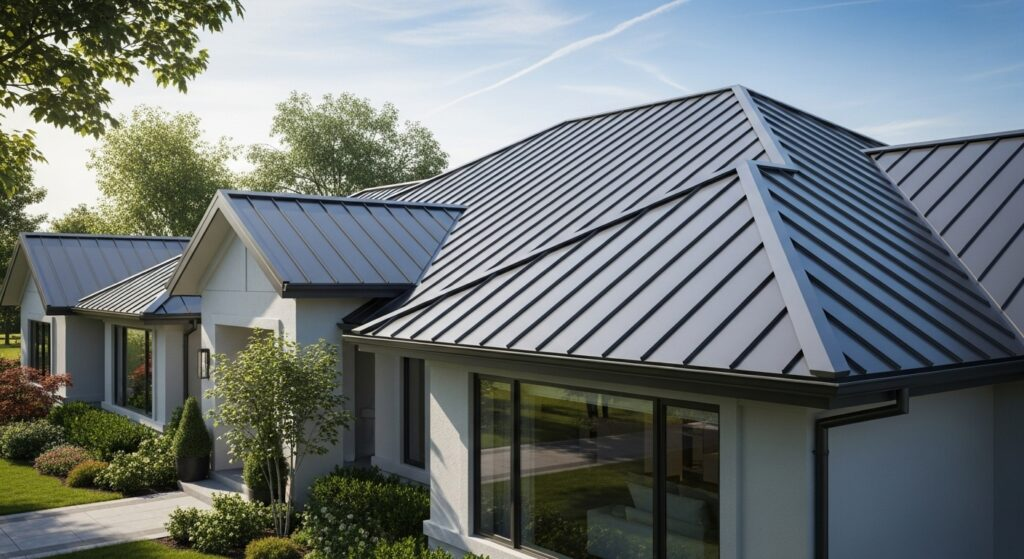
Metal roofing has become one of the most popular choices in modern construction due to its exceptional durability, energy efficiency, and sleek appearance. Once commonly associated with industrial buildings, metal roofs are now widely used in residential properties, offering a perfect balance between functionality and style. Homeowners and builders are increasingly turning to this roofing solution because of its long lifespan, low maintenance requirements, and ability to withstand extreme weather conditions. Understanding the benefits, installation process, materials, and maintenance of metal roofing is essential for making an informed decision that enhances both the value and performance of your property.
Understanding the Basics of Metal Roofing
Metal roofing refers to a roofing system made from metal pieces or tiles, typically composed of materials such as steel, aluminum, copper, or zinc. Each material offers unique characteristics, but all share common advantages, including strength, resistance to environmental damage, and longevity. Unlike traditional roofing materials such as asphalt shingles, metal roofing is designed to last for decades without significant deterioration.
One of the defining features of metal roofing is its ability to shed water and snow efficiently, which reduces the risk of leaks and structural damage. The interlocking panels or sheets create a secure barrier that prevents moisture from penetrating the roof. Additionally, metal roofing systems are available in a variety of styles, colors, and finishes, allowing homeowners to achieve a customized look that complements the overall design of their property.
Advantages of Choosing Metal Roofing
Metal roofing offers numerous benefits that make it a superior option compared to many traditional roofing materials. One of the most significant advantages is its durability. Metal roofs can withstand harsh weather conditions, including heavy rain, strong winds, hail, and even fire. This resilience makes them particularly suitable for areas prone to extreme climates.
Another important benefit is energy efficiency. Metal roofing reflects solar heat rather than absorbing it, which helps maintain a cooler indoor temperature during hot weather. This can lead to reduced energy consumption and lower utility bills. In colder climates, metal roofs also provide excellent insulation when combined with proper underlayment, contributing to overall energy savings throughout the year.
Longevity is another key factor that sets metal roofing apart. While traditional roofing materials may need replacement every 15 to 20 years, metal roofs can last 40 to 70 years or more with proper maintenance. This long lifespan makes metal roofing a cost-effective investment in the long run, even if the initial cost is higher than other options.
In addition to durability and efficiency, metal roofing is environmentally friendly. Many metal roofing materials are made from recycled content and can be fully recycled at the end of their lifespan. This reduces waste and contributes to sustainable building practices.
Types of Metal Roofing Materials
There are several types of materials used in metal roofing, each offering distinct advantages and aesthetic qualities. Steel is one of the most commonly used materials due to its strength and affordability. It is often coated with protective layers to prevent rust and corrosion, making it suitable for a wide range of environments.
Aluminum is another popular choice, known for its lightweight properties and resistance to corrosion. It is particularly well-suited for coastal areas where exposure to saltwater can cause other metals to deteriorate. Copper, while more expensive, offers a unique and elegant appearance that develops a natural patina over time. Zinc is also a premium option, valued for its durability and self-healing properties that help maintain its appearance.
Each material has its own advantages, and the choice depends on factors such as budget, climate, and design preferences. Understanding these differences is essential for selecting the most suitable metal roofing system for your needs.
Installation Process of Metal Roofing
The installation of metal roofing requires precision, expertise, and careful planning. The process typically begins with preparing the roof structure, ensuring it is clean, level, and capable of supporting the weight of the metal panels. In some cases, existing roofing materials may need to be removed, while in others, metal roofing can be installed directly over the existing roof.
Once the surface is prepared, an underlayment is applied to provide additional protection against moisture and improve insulation. The metal panels or sheets are then carefully measured, cut, and installed, ensuring proper alignment and secure fastening. Special attention is given to seams, edges, and flashing, as these areas are critical for preventing leaks and ensuring the overall integrity of the roof.
Professional installation is highly recommended for metal roofing, as improper installation can lead to issues such as leaks, noise, or reduced lifespan. Skilled installers have the knowledge and tools required to achieve a precise and durable result.
Maintenance and Care
One of the key advantages of metal roofing is its low maintenance requirements. Unlike other roofing materials that may require frequent repairs or replacements, metal roofs are designed to withstand the elements with minimal upkeep. However, regular inspections and basic maintenance are still important to ensure optimal performance.
Cleaning the roof periodically helps remove dirt, debris, and organic growth that can accumulate over time. Checking for loose fasteners, damaged panels, or worn sealants allows you to address minor issues before they become major problems. Keeping gutters and drainage systems clear is also essential for preventing water buildup and maintaining the efficiency of the roofing system.
With proper care, metal roofing can retain its appearance and functionality for decades, making it a reliable and long-lasting choice for any property.
Cost Considerations
The cost of metal roofing can vary depending on factors such as the type of material, size of the roof, complexity of the design, and labor costs. While the initial investment may be higher compared to traditional roofing materials, the long-term benefits often outweigh the upfront expense.
Metal roofing’s durability, energy efficiency, and low maintenance requirements contribute to significant cost savings over time. Additionally, its long lifespan reduces the need for frequent replacements, further enhancing its value. For many homeowners, metal roofing represents a smart investment that provides both financial and practical benefits.
Design and Aesthetic Appeal
Modern metal roofing offers a wide range of design options that cater to different architectural styles. From sleek, contemporary panels to designs that mimic traditional shingles or tiles, metal roofing can be customized to suit various preferences. The availability of different colors and finishes allows homeowners to create a unique look that enhances the overall appearance of their property.
In addition to its visual appeal, metal roofing can also increase property value. Its durability and modern design are attractive features for potential buyers, making it a desirable addition to any home.
Environmental Impact
Sustainability is an important consideration in today’s construction industry, and metal roofing aligns well with eco-friendly practices. The use of recycled materials and the ability to recycle metal roofing at the end of its lifespan reduce environmental impact. Additionally, its energy-efficient properties contribute to lower energy consumption, further supporting sustainable living.
Choosing metal roofing is not only a practical decision but also a responsible one, as it helps minimize waste and promotes long-term environmental benefits.
Conclusion
Metal roofing is a versatile and reliable solution that combines durability, efficiency, and aesthetic appeal. Its ability to withstand harsh weather conditions, reduce energy consumption, and provide long-lasting performance makes it an excellent choice for both residential and commercial properties. While the initial cost may be higher, the long-term benefits and savings make metal roofing a worthwhile investment.
By understanding the different materials, installation processes, and maintenance requirements, homeowners can make informed decisions that ensure the success of their roofing projects. With proper care and professional installation, metal roofing can provide decades of protection and enhance the overall value and appearance of any property, making it one of the most effective and modern roofing solutions available today.
