
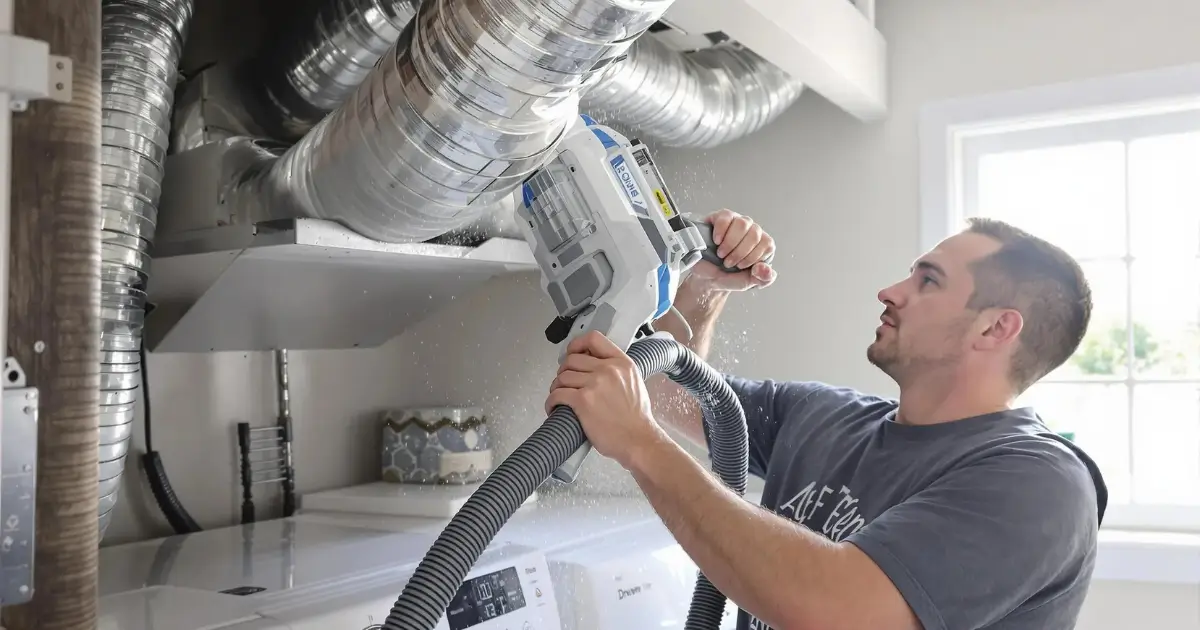
Household appliances are designed to simplify daily life, and the clothes dryer is one of the most convenient machines in modern homes. It allows people to complete laundry tasks quickly without relying on outdoor drying conditions. Despite its usefulness, many homeowners overlook an important component that directly affects the performance and safety of the dryer: the vent system. The vent is responsible for carrying hot, moist air and lint away from the dryer and releasing it outside the home. When this system becomes clogged with lint and debris, the dryer must work harder, energy consumption increases, and the risk of fire becomes significantly higher.
Many people assume that cleaning the lint filter after each drying cycle is enough to keep the system functioning properly. While this habit is certainly important, it only addresses a small portion of the lint produced during the drying process. A considerable amount of lint still escapes through the filter and accumulates inside the vent duct. Over time this buildup can become dense enough to block airflow almost entirely. This is why regular dryer vent cleaning is considered one of the most important maintenance tasks for homeowners who want to keep their appliances operating efficiently and safely.
Understanding How Dryer Vent Systems Function
A clothes dryer works by circulating heated air through a rotating drum that contains wet clothes. The warm air absorbs moisture from the fabric and carries it out of the drum. This moist air then travels through the vent duct and exits the house through an exterior vent opening. During this process, tiny fibers from clothing, towels, and bedding are released into the airflow. These fibers are known as lint.
Although the lint filter captures a significant portion of these particles, it cannot catch all of them. Some lint inevitably passes through the filter and begins to accumulate along the inner walls of the vent duct. Gradually this buildup becomes thicker, narrowing the pathway through which air must travel. As the obstruction grows, airflow becomes restricted, causing the dryer to operate less efficiently.
When airflow is reduced, the dryer must run longer cycles to remove moisture from clothes. The heating element stays active for extended periods, increasing both energy consumption and the internal temperature of the appliance. Without proper maintenance, this situation can lead to overheating, mechanical strain, and potentially dangerous conditions inside the vent system.
The Hidden Risks of Neglecting Dryer Vent Maintenance
Ignoring the condition of a dryer vent may seem harmless at first, but over time it can lead to several serious problems that affect both the appliance and the safety of the home. One of the most concerning risks associated with clogged dryer vents is the possibility of fire. Lint is extremely flammable, and when it accumulates inside a vent duct that carries hot air, it creates an environment where ignition can occur easily. If the dryer overheats and sparks or extreme heat reach the lint buildup, a fire can start quickly and spread through the vent system.
Another problem caused by clogged vents is excessive wear on the dryer itself. When airflow becomes restricted, the appliance must work harder to complete each drying cycle. The motor, heating element, and other internal components operate under increased stress, which can shorten the lifespan of the machine. Instead of lasting for many years, the dryer may require repairs or replacement much sooner than expected.
Energy efficiency is also greatly affected by vent blockage. A dryer that cannot release air properly must run longer cycles, consuming more electricity or gas. This results in higher utility bills over time. Homeowners often notice that their clothes are still damp even after a full drying cycle, which leads them to run the dryer again. This repeated use wastes energy and places additional strain on the appliance.
Moisture problems can also arise when the vent system is blocked. Since the humid air cannot exit the home effectively, some of it may leak into surrounding areas such as laundry rooms or wall cavities. Excess humidity can create ideal conditions for mold growth and unpleasant odors, which may eventually affect indoor air quality.
Warning Signs That Indicate Vent Problems
Homeowners do not always inspect their dryer vent systems regularly, so it is important to recognize the signs that suggest something may be wrong. One of the most common indicators is when clothes take significantly longer to dry than usual. If a normal load of laundry requires multiple drying cycles, restricted airflow is often the cause.
Another warning sign is an unusually hot dryer. While it is normal for the appliance to produce warmth during operation, excessive heat on the exterior surface or in the laundry room may indicate that hot air is not escaping through the vent properly. In some cases, people may even notice a faint burning smell during the drying process, which could mean lint is overheating inside the vent duct.
A noticeable increase in lint around the dryer area is another clue that the vent system may be partially blocked. Lint that cannot travel through the vent may escape through small openings around the dryer or duct connections. Additionally, the exterior vent flap should open when the dryer is running to allow air to exit. If this flap barely moves or remains closed, it may signal a serious airflow restriction.
When any of these signs appear, it is a strong indication that dryer vent cleaning should be performed as soon as possible to restore proper airflow and reduce potential risks.
Benefits of Professional Vent Maintenance
Although some homeowners attempt to clean their dryer vents on their own, professional services often provide a more thorough and reliable solution. Specialists use advanced tools designed specifically for vent systems, allowing them to remove compacted lint from areas that are difficult to reach with standard household equipment.
Professional technicians typically begin with a detailed inspection of the entire vent system. They examine the ductwork, the connection behind the dryer, and the exterior vent opening to identify any damage or blockages. Once the inspection is complete, they use specialized rotating brushes, powerful vacuums, and air pressure tools to loosen and extract lint from deep inside the duct.
After the cleaning process is finished, technicians usually test the airflow to ensure the vent is functioning correctly. This verification step confirms that air can move freely through the system and that the dryer will operate more efficiently. Homeowners often notice immediate improvements such as shorter drying times and reduced heat buildup in the laundry area.
Professional maintenance also helps identify potential installation problems that might otherwise go unnoticed. For example, some vent systems contain sharp bends or long duct runs that trap lint more easily. Addressing these issues can further improve airflow and reduce the likelihood of future blockages.
Recommended Cleaning Frequency
The frequency with which a dryer vent should be cleaned depends on several factors, including household size, laundry habits, and the type of fabrics commonly washed. In general, experts recommend scheduling a thorough cleaning at least once per year. However, households that run multiple loads of laundry each week may require more frequent maintenance.
Families with pets often produce additional lint due to pet hair embedded in clothing and bedding. This hair can accumulate quickly inside the vent duct, making regular maintenance even more important. Similarly, homes with long or complex vent systems may experience faster buildup because airflow must travel a greater distance before exiting the house.
By maintaining a consistent schedule for dryer vent cleaning, homeowners can prevent excessive lint accumulation and ensure that their appliances continue operating at peak performance.
Practical Tips for Preventing Lint Buildup
Although professional maintenance plays an important role in keeping dryer vents clear, homeowners can take several simple steps to reduce lint accumulation between cleanings. One of the most effective habits is cleaning the lint filter after every load of laundry. Removing lint from the screen ensures that airflow through the dryer remains as unrestricted as possible.
Avoiding excessively large loads is another helpful practice. Overloading the dryer prevents clothes from tumbling freely, which increases lint production and reduces airflow within the drum. Drying moderate loads allows air to circulate more effectively and helps reduce stress on the appliance.
Occasionally inspecting the exterior vent hood can also help prevent problems. Leaves, dust, or small animal nests sometimes block the outside vent opening. Ensuring this opening remains clear allows the dryer to release air properly.
Using high-quality vent materials can make a difference as well. Rigid metal ducts provide smoother airflow compared to flexible plastic or foil ducts, which tend to trap lint more easily. When the vent system is designed correctly, lint buildup occurs more slowly and maintenance becomes easier.
Environmental and Financial Advantages of Proper Maintenance
Maintaining a clean dryer vent system benefits not only the household but also the environment. When dryers operate efficiently, they require less energy to dry clothes. Lower energy consumption means reduced greenhouse gas emissions and a smaller environmental footprint.
From a financial perspective, efficient appliances translate directly into lower utility bills. Shorter drying cycles use less electricity or gas, saving money month after month. In addition, preventing mechanical strain on the dryer reduces the likelihood of expensive repairs or premature replacement.
When homeowners prioritize proper vent care, they gain long-term savings while also contributing to more responsible energy use.
Final Thoughts
Many people underestimate the importance of maintaining their dryer vent systems, assuming that routine lint trap cleaning is sufficient. However, lint buildup inside vent ducts is unavoidable over time, and ignoring it can lead to serious consequences including inefficient drying, increased energy costs, appliance damage, and potential fire hazards.
Taking preventive action by scheduling regular dryer vent cleaning ensures that airflow remains unobstructed and the dryer operates safely. Combined with simple habits such as cleaning the lint filter, avoiding overloaded cycles, and occasionally inspecting the exterior vent opening, professional maintenance can significantly extend the life of the appliance.
Ultimately, caring for the dryer vent is not merely a minor household task. It is an essential part of maintaining a safe, efficient, and comfortable home environment. By giving proper attention to this often-overlooked system, homeowners can enjoy reliable dryer performance, improved energy efficiency, and greater peace of mind for many years to come.
