
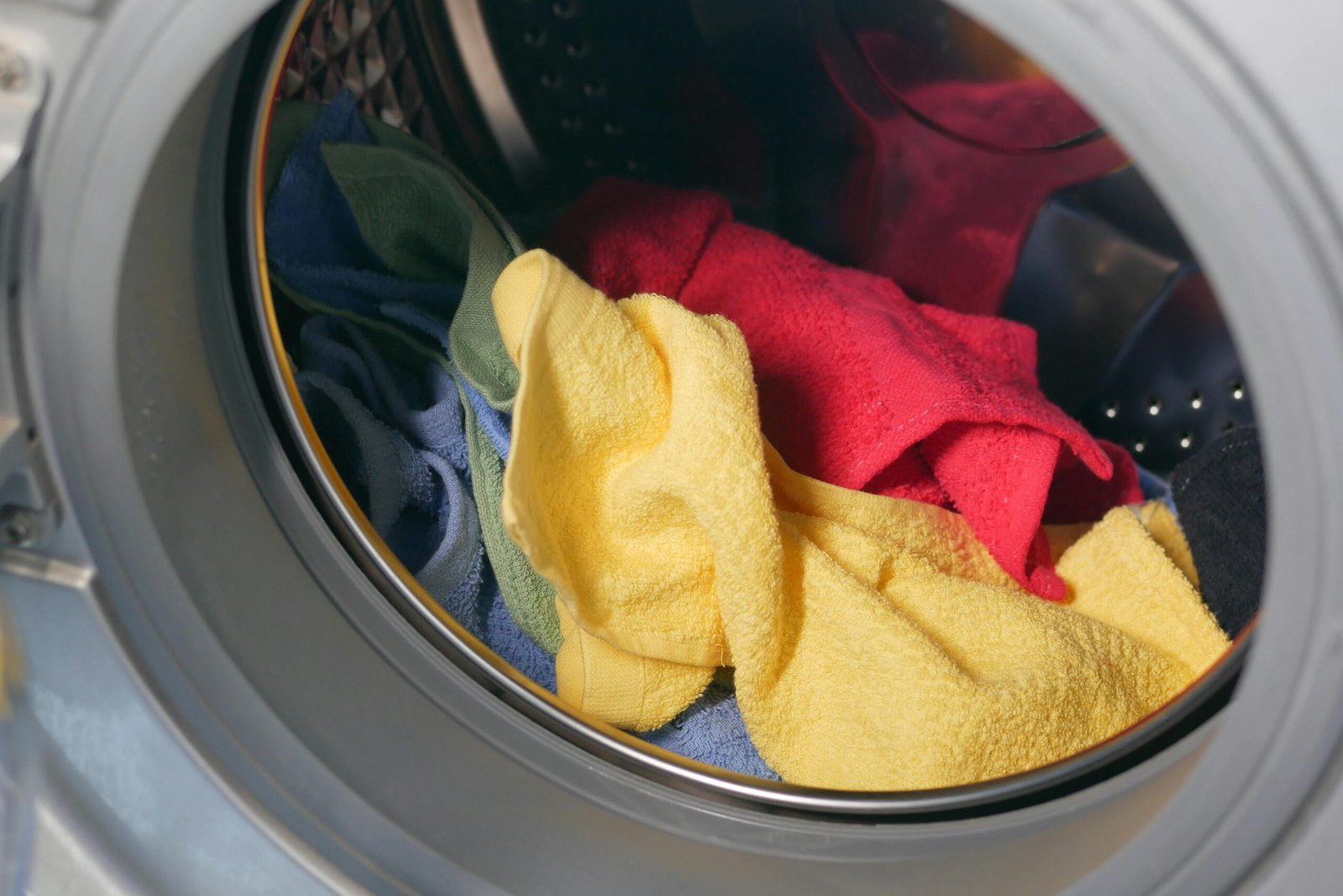
It might seem harmless to run your washing machine half-full or your dishwasher with just a few items. After all, it’s still getting the job done, right?
Not quite.
Running appliances when they’re “almost empty” is one of the most common—and overlooked—ways households waste energy. Whether it’s your laundry, dishwasher, or even certain kitchen appliances, partial loads often consume nearly the same amount of energy as full ones.
If you’re trying to lower your electricity bill and reduce unnecessary energy use, understanding this simple concept can make a noticeable difference.
The Hidden Cost of Partial Loads
Many modern appliances are designed to handle full loads efficiently. But here’s the catch:
They don’t scale energy use proportionally.
This means:
- A half-load doesn’t use half the energy
- A nearly empty cycle still consumes significant power
- You end up paying more per item cleaned or processed
Over time, these small inefficiencies add up.
How Appliances Use Energy
To understand why this happens, it helps to look at how appliances work.
1. Fixed Energy Consumption
Most appliances require a base level of energy to operate:
- Heating water
- Running motors
- Powering control systems
Whether your appliance is full or nearly empty, these processes still occur.
2. Water Heating Is Energy-Intensive
For appliances like dishwashers and washing machines, heating water is one of the biggest energy costs.
Running a cycle for just a few items still requires:
- Heating the same volume of water
- Maintaining temperature throughout the cycle
This makes partial loads particularly inefficient.
3. Cycle Length Stays the Same
Even with fewer items, most standard cycles:
- Run for the same duration
- Use similar energy levels
Unless you’re using eco or quick modes, you’re essentially paying full price for a partial job.
Common Appliances Affected
Washing Machines
Running small laundry loads frequently can significantly increase your electricity and water usage.
Better approach:
- Wait until you have a full load
- Use load-sensing or eco settings if available
Dishwashers
Many people run dishwashers daily, even when they’re not full.
Reality:
A full dishwasher is usually more efficient than washing dishes by hand—and far more efficient than running multiple partial loads.
Dryers
Dryers are especially energy-hungry.
Running a dryer with only a few items:
- Wastes heat energy
- Increases wear on the machine
- Raises your electricity bill
Refrigerators (Surprisingly!)
While not a “load-based” appliance in the traditional sense, an almost empty refrigerator can also waste energy.
Why?
- Empty space allows warm air to circulate more freely
- The appliance works harder to maintain temperature
Keeping it reasonably stocked helps stabilize internal temperatures.
Why People Still Run Partial Loads
Despite the inefficiency, many households continue this habit.
1. Convenience
It’s easier to run a quick cycle than wait for a full load—especially with busy schedules.
2. Lack of Awareness
Many people assume:
- Less load = less energy
But as we’ve seen, that’s not how most appliances work.
3. Routine Habits
Daily routines (like running the dishwasher every night) can lead to unnecessary cycles, even when loads are small.
What Actually Works Instead
Changing this habit doesn’t require major effort—just a few smarter practices.
1. Wait for Full Loads
This is the simplest and most effective strategy.
- Maximize each cycle
- Reduce the number of runs per week
- Lower overall energy consumption
2. Use Eco or Half-Load Settings (When Needed)
If you must run a smaller load:
- Use energy-saving modes
- Choose shorter cycles designed for lighter loads
These settings adjust water and energy use more efficiently.
3. Plan Your Usage
- Combine laundry loads strategically
- Load dishwashers throughout the day instead of running immediately
- Schedule appliance use during off-peak hours if possible
In regions where energy pricing varies, tools like power to choose can help consumers compare plans and better manage electricity costs alongside smarter usage habits.
4. Optimize Appliance Efficiency
- Clean filters regularly
- Maintain appliances properly
- Avoid overloading (which can also reduce efficiency)
Efficiency works both ways—too little or too much can be wasteful.
The Long-Term Impact
Running partial loads occasionally won’t break the bank—but doing it regularly can have a noticeable effect over time.
Potential impacts:
- Higher monthly electricity bills
- Increased water usage
- Faster appliance wear and tear
On the flip side, optimizing your appliance usage can lead to:
- Lower energy costs
- Longer appliance lifespan
- Reduced environmental impact
Practical Tips You Can Apply Today
- Wait until your dishwasher is full before running it
- Group similar laundry items to create full loads
- Avoid running dryers for just a few clothes
- Keep your refrigerator moderately stocked
- Use eco settings whenever possible
These small adjustments can lead to meaningful savings over time.
Frequently Asked Questions (FAQs)
1. Do full loads always save more energy?
Yes, in most cases. Full loads maximize the energy used per cycle, making each run more efficient compared to partial loads.
2. Is it ever okay to run a partial load?
Yes—if necessary. Just make sure to use eco or quick settings designed for smaller loads to reduce energy use.
3. Do modern appliances adjust for load size?
Some newer models have load-sensing technology, but many still use a baseline amount of energy regardless of load size.
4. Does overloading appliances save more energy?
No. Overloading can:
- Reduce cleaning efficiency
- Strain the appliance
- Lead to damage
Balance is key—aim for full but not overloaded.
5. How much can I save by avoiding partial loads?
Savings vary, but reducing unnecessary cycles can noticeably lower your monthly electricity and water bills over time.
6. What’s the biggest mistake people make with appliances?
Running them too often with small loads. This leads to unnecessary energy use and higher costs.
Final Thoughts
Energy efficiency isn’t just about using better appliances—it’s about using them wisely.
Running “almost empty” appliances may seem convenient, but it quietly increases your energy consumption and utility bills. By simply waiting for full loads, using the right settings, and being more mindful of your habits, you can make a real difference.
Small changes in daily routines often lead to the biggest long-term savings. And in this case, doing less—fewer, fuller cycles—is actually the smarter move.
