
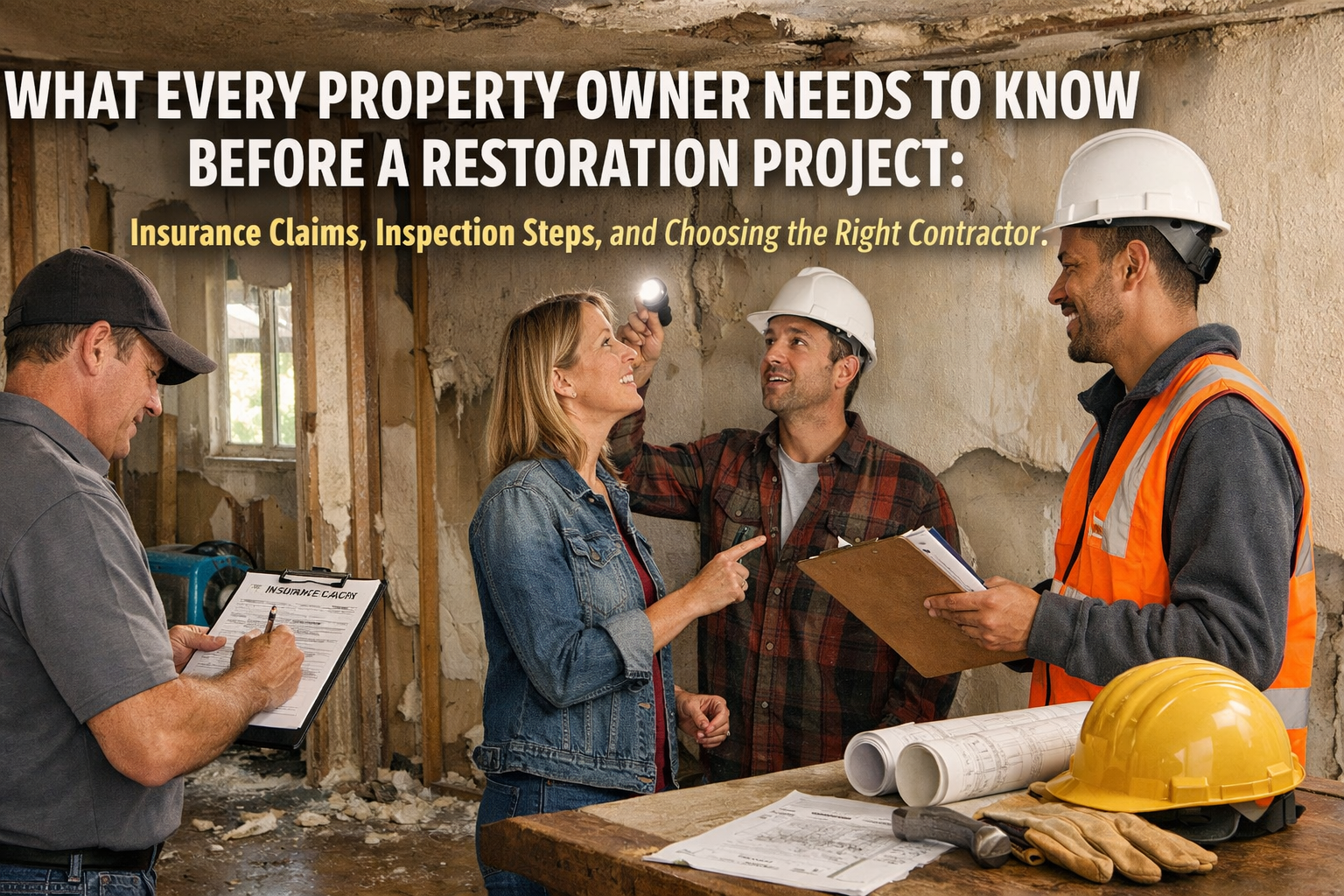
Property restoration projects can be daunting for both homeowners and commercial property owners, especially when dealing with damage caused by water, fire, mold, or storms. These situations often bring unexpected challenges, from navigating insurance claims to finding a qualified contractor, and without proper preparation, the process can quickly become overwhelming. Understanding the necessary steps before initiating a restoration project can save time, reduce costs, and ensure that repairs are thorough and long-lasting. Trusted restoration experts, such as Regent Restoration, provide professional guidance, detailed assessments, and high-quality restoration services to help property owners in Dallas‑Fort Worth navigate these situations with confidence.
Knowing what to expect and how to prepare before a restoration project begins allows property owners to avoid common pitfalls. Being proactive not only helps protect the structure and contents of a property but also ensures compliance with insurance requirements and industry standards. Whether the damage is the result of a leaking roof, burst pipe, or fire, the decisions made before the first repair can have a lasting impact on the safety, functionality, and value of the property.
Understanding Your Insurance Coverage
Before starting any restoration work, it is critical to understand your property insurance policy. Policies vary significantly in what they cover, and knowing the extent of your coverage can prevent unexpected out-of-pocket expenses. Most homeowner insurance policies cover sudden and accidental damage, including water damage from burst pipes, fire damage, or storm-related incidents, but coverage for flooding, mold, or long-term maintenance issues may require additional riders or separate policies. Carefully reviewing your policy to understand deductibles, limits, and exclusions is an essential first step.
Documenting all damage is equally important for filing a successful claim. This documentation should include detailed photographs and videos of affected areas, notes on the cause of damage, and receipts for any immediate or temporary repairs. Restoration professionals such as Regent Restoration can assist in compiling this information, providing detailed damage assessments and estimates that align with insurance requirements, which can streamline the claims process and improve the likelihood of full coverage.
Conducting a Thorough Property Inspection
A comprehensive property inspection is the foundation of a successful restoration project. Proper inspection ensures that all damage, both visible and hidden, is identified early, preventing overlooked issues from escalating into larger problems. Key components of a thorough inspection include evaluating structural integrity to detect weakened walls, ceilings, or foundations that could compromise safety, checking for hidden water damage or leaks behind walls and under flooring, identifying hazardous materials such as mold, asbestos, or lead paint, and cataloging affected personal property, furniture, and appliances for repair or replacement.
Professional restoration companies, including Regent Restoration, utilize advanced tools such as moisture meters, infrared cameras, and air quality monitors to detect areas of hidden damage and ensure a comprehensive assessment. This careful evaluation informs the restoration plan, helps prioritize critical repairs, and provides clear documentation for insurance purposes. Understanding the full scope of damage before beginning repairs reduces the likelihood of unexpected complications and ensures that the project is executed efficiently.
Selecting the Right Restoration Contractor
Choosing a qualified restoration contractor is one of the most important decisions a property owner can make. The right contractor offers not only technical expertise but also clear communication, adherence to safety standards, and assistance with insurance claims. When selecting a restoration professional, homeowners should verify licensing and certifications specific to the type of restoration needed, such as water, fire, mold, or asbestos remediation. Experience is also critical; contractors who have managed similar projects can anticipate challenges and implement effective solutions efficiently.
Response time is another key factor. Emergency situations require prompt action to prevent further damage, and a reputable contractor should offer 24/7 availability for mitigation services. References and reviews from past clients provide insight into reliability, professionalism, and the quality of work, while contractors who actively coordinate with insurance companies can streamline claims and ensure that repairs meet policy requirements. Trusted restoration experts like Regent Restoration guide property owners through each phase of the restoration process, from assessment and emergency mitigation to full repair and final quality assurance, reducing stress and ensuring a successful outcome.
Steps in a Typical Restoration Project
Restoration projects typically follow a structured sequence to ensure thorough and efficient recovery, though timelines vary depending on the type and severity of damage. The first stage is emergency mitigation, which may involve water extraction, temporary boarding, structural stabilization, or containment of hazardous materials to prevent further deterioration. Next, a detailed inspection and documentation phase ensures that the full scope of damage is understood and provides the necessary evidence for insurance claims.
Once the initial assessment and insurance coordination are complete, remediation work begins. This can include mold removal, asbestos abatement, fire and smoke cleaning, or drying and dehumidifying water-damaged areas. Restoration professionals employ specialized equipment and techniques to mitigate hazards and prevent secondary damage. Following remediation, repairs and reconstruction restore the property to its pre-damage condition. This phase may involve replacing drywall, flooring, ceilings, roofing, and other structural elements, as well as restoring personal property where possible. The final step is a thorough quality assurance inspection to confirm that repairs meet safety standards, comply with regulations, and fully restore the property. Adhering to this systematic approach ensures that no aspect of the damage is overlooked and that the home or building is safe for occupancy.
Frequently Asked Questions (FAQs)
Do I need to contact my insurance company before starting restoration?
Yes, it is important to notify your insurance provider as soon as possible. Proper documentation and professional estimates can help secure coverage for repairs and ensure compliance with policy requirements.
How long does a typical restoration project take?
The duration depends on the extent of damage. Minor issues may be resolved in a few days, whereas extensive water, fire, or mold damage can take several weeks.
Can restoration contractors handle insurance claims for me?
Many experienced contractors, including Regent Restoration, coordinate with insurance providers, document damages, and prepare estimates, making the claims process more efficient for property owners.
Is it safe to live in the property during restoration?
Depending on the type of damage, some areas may be unsafe to occupy. Professionals provide guidance on temporary relocation or restricted access while remediation and repairs are ongoing.
What qualifications should I look for in a restoration contractor?
Licensing, certifications, experience with similar projects, prompt response time, and adherence to safety protocols are key qualifications. Contractors should also demonstrate professionalism and clear communication throughout the project.
Ensuring a Smooth and Successful Restoration Project
Restoration projects can be complex and stressful, but with careful preparation and professional guidance, property owners can navigate the process confidently and efficiently. Understanding your insurance coverage, conducting thorough inspections, and choosing the right contractor are critical steps to ensure that repairs are effective, safe, and long-lasting. Trusted experts like Regent Restoration in Dallas‑Fort Worth provide comprehensive services, from emergency mitigation and detailed assessments to remediation and final repairs. By taking proactive measures and partnering with experienced professionals, property owners can protect their investment, minimize costs, and restore their property safely, efficiently, and with peace of mind.
Business Name: Regent Restoration
Address: 824 Office Park Cir #100, Lewisville, TX 75057
Phone Number: (214) 731-4624
