
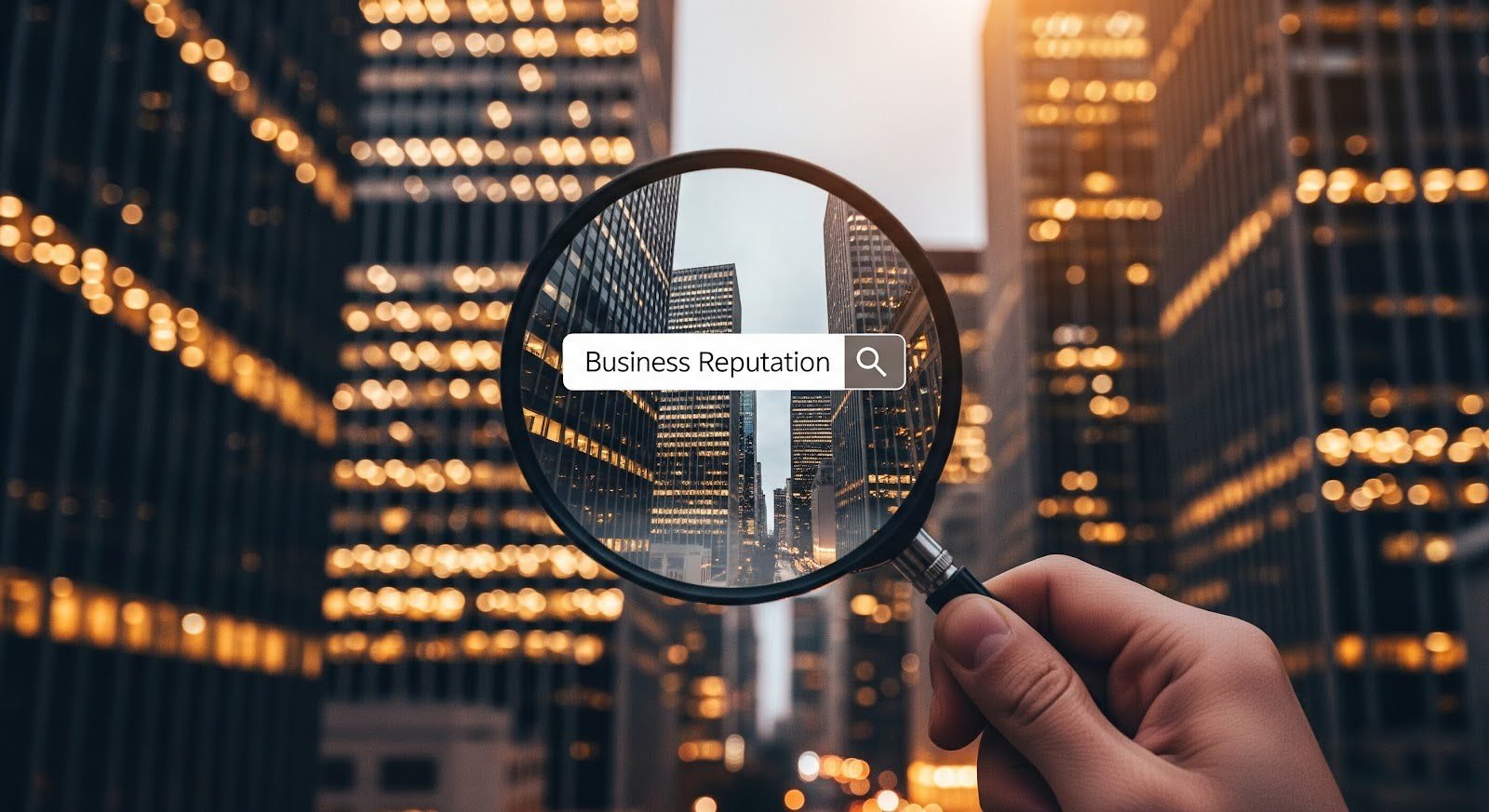
In large cities, choice rarely begins with a conversation.
It begins with a search.
Before someone walks into a restaurant, calls a contractor, or books a service, they check what appears online. Not because they distrust businesses, but because urban environments offer too many options to choose blindly. When every street has ten alternatives, search becomes the filter.
In these cities, business reputation is not a supporting factor. It is the deciding one.
Why Urban Markets Depend on Search
City life rewards speed and punishes uncertainty.
People make decisions between meetings, during commutes, or while standing on sidewalks. They do not have time to compare brochures or ask around. They search, scan, and choose based on what feels safest in the moment.
That safety signal comes from visibility, consistency, and feedback. A business with clear information, recent reviews, and visible engagement feels reliable. One without those signals feels risky, even if the service itself is strong.
In dense markets, business reputation fills the trust gap created by choice overload.
Reputation Forms Before a Website Is Opened
Most consumers never reach a homepage before forming an opinion.
They see star ratings, review snippets, photos, and responses directly in search results. Those elements create a first impression that often determines whether a business is clicked at all.
When reputation signals are weak, incomplete, or negative, the evaluation stops there. The website becomes irrelevant because the decision has already been made.
In cities where people search before they choose, reputation comes before marketing.
Search Results Act as a Proxy for Experience
Urban consumers understand that businesses control their own messaging. They trust third-party signals more.
Reviews, local mentions, and public responses feel closer to lived experience than polished copy. Patterns matter more than perfection. A mix of feedback handled well builds more trust than silence or defensiveness.
This is why business reputation is read as evidence, not promotion. It reflects how a business behaves when it is not in control of the narrative.
Why Small Gaps Matter More in Cities
In smaller markets, personal referrals can offset a weak online presence. In cities, they cannot.
A single unanswered review, outdated photo, or inconsistent listing may seem minor. In a competitive urban search, it becomes a reason to choose someone else.
Business reputation in these environments is cumulative. Small signals compound quickly, shaping perception before any direct interaction occurs.
How Urban Search Habits Shape Decision-Making
City consumers rarely rely on a single source.
They move between map results, review platforms, social mentions, and images in minutes. They compare tone as much as ratings. They notice how businesses respond, not just what customers say.
This layered behavior means reputation is evaluated as a pattern. One strong signal cannot compensate for multiple weak ones. Consistency across platforms becomes more important than standout moments.
Reputation Is a Trust Shortcut
In fast-moving cities, trust must be established quickly.
Business reputation provides that shortcut. It allows people to feel confident without investing time they do not have. It reduces perceived risk in unfamiliar neighborhoods and unfamiliar brands.
When reputation is strong, decisions feel easy. When it is unclear, hesitation creeps in, and users move on.
Measuring Reputation Where It Actually Lives
In urban markets, reputation is visible in behavior, not just metrics.
Click patterns, direction requests, booking rates, and repeat visits reflect how trust translates into action. Small improvements in perception often produce outsized changes in outcomes because competition is so tight.
This is why business reputation is inseparable from performance in cities. It is not an abstract asset. It is operational.
Recovery Is Possible, But Speed Matters
Urban consumers move quickly, but they also forgive quickly when accountability is visible.
Negative feedback does not automatically damage reputation. Avoidance does. Businesses that respond clearly, explain changes, and show follow-through often regain trust faster than those that attempt to erase criticism.
In cities where people search before they choose, recovery is less about removal and more about response.
What Business Reputation Really Represents in Search-First Cities
Business reputation is not what a company claims to be.
It is what appears when someone looks for reassurance.
In cities filled with options, it becomes the quiet signal that answers an unspoken question: Is this a safe choice?
For businesses operating in search-driven environments, reputation is not a side concern. It is the lens through which every other effort is judged.
And in markets where people search before they choose, that lens often decides everything.
