
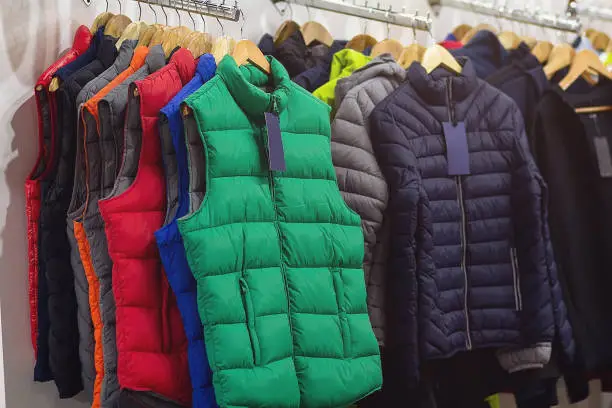
When choosing the perfect jacket or gilet for your outdoor adventures, understanding the materials used in their construction can greatly influence your decision. For instance, the Paramo mens Velez jacket demonstrates how specific materials enhance a garment’s performance. From insulating warmth to waterproof barriers, each fabric has unique properties suitable for various conditions. In this article, we’ll delve into the most common materials used in jackets and gilets, helping you make informed purchasing decisions based on your individual needs and outdoor preferences.
1. Synthetic Fabrics
Synthetic fabrics, such as polyester and nylon, are commonly used in jackets and gilets due to their durability and quick-drying properties. These materials are lightweight, making them ideal for outdoor activities requiring a full range of motion. Nylon, renowned for its abrasion resistance, is often used in shell layers where toughness against the elements is essential. Polyester, on the other hand, is known for its ability to wick moisture away from the skin, keeping you dry during intense physical activities. Both materials can be treated to become waterproof, adding another layer of protection in unpredictable weather.
2. Natural Fibres
While synthetic fabrics have become a mainstay in modern outdoor clothing, natural fibres such as wool and cotton still hold relevance, particularly in providing comfort and insulation. Wool is an excellent insulator, providing warmth even when wet, which makes it a popular choice for cold weather. Merino wool, a finer variant, is praised for its softness, breathability, and moisture-wicking properties. Cotton, however, is more commonly used in casual garments and is not recommended for wet conditions as it absorbs moisture and can become heavy and uncomfortable when soaked.
3. Insulation Materials
Insulation is critical in jackets and gilets, especially for activities involving cold climates. Down, a natural insulation derived from bird feathers, is favoured for its superior warmth-to-weight ratio. Despite its effectiveness, down loses its insulating properties when wet, which is where synthetic insulations like PrimaLoft and Thinsulate come into play. These synthetic options mimic the loft and warmth of down while maintaining performance in damp conditions. They are lighter, offer easy maintenance, and dry quickly, making them highly versatile for varied environments.
4. Waterproof Technologies
Technologies like Gore-Tex and eVent are famous in the outdoor industry for their excellent waterproof capabilities while maintaining breathability. These materials are often constructed using a membrane layered between fabrics, which stops water from getting in while allowing perspiration to escape. The effectiveness of these technologies lies in their ability to keep you dry in torrential rain while ensuring comfort during high-energy activities. Jackets made with such technologies are invaluable for serious outdoor enthusiasts who face all kinds of weather.
5. Windproof Materials
Windproof jackets and gilets are essential for windy conditions, as the cutting breeze can quickly strip away body heat. Materials like Windstopper, often layered alongside other fabrics, are engineered to block out wind while providing some breathability. Windproof layers can be lightweight and packable, making them convenient for situations where aerodynamics and temperature regulation are crucial. They are perfect companions for cycling, hiking, or any activity exposed to harsh winds.
In conclusion, understanding the materials used in jackets and gilets allows you to select the best garment for your needs. Whether prioritising warmth, weather protection, or breathability, recognising the benefits of each material will help ensure comfort and performance in your outdoor pursuits.
