
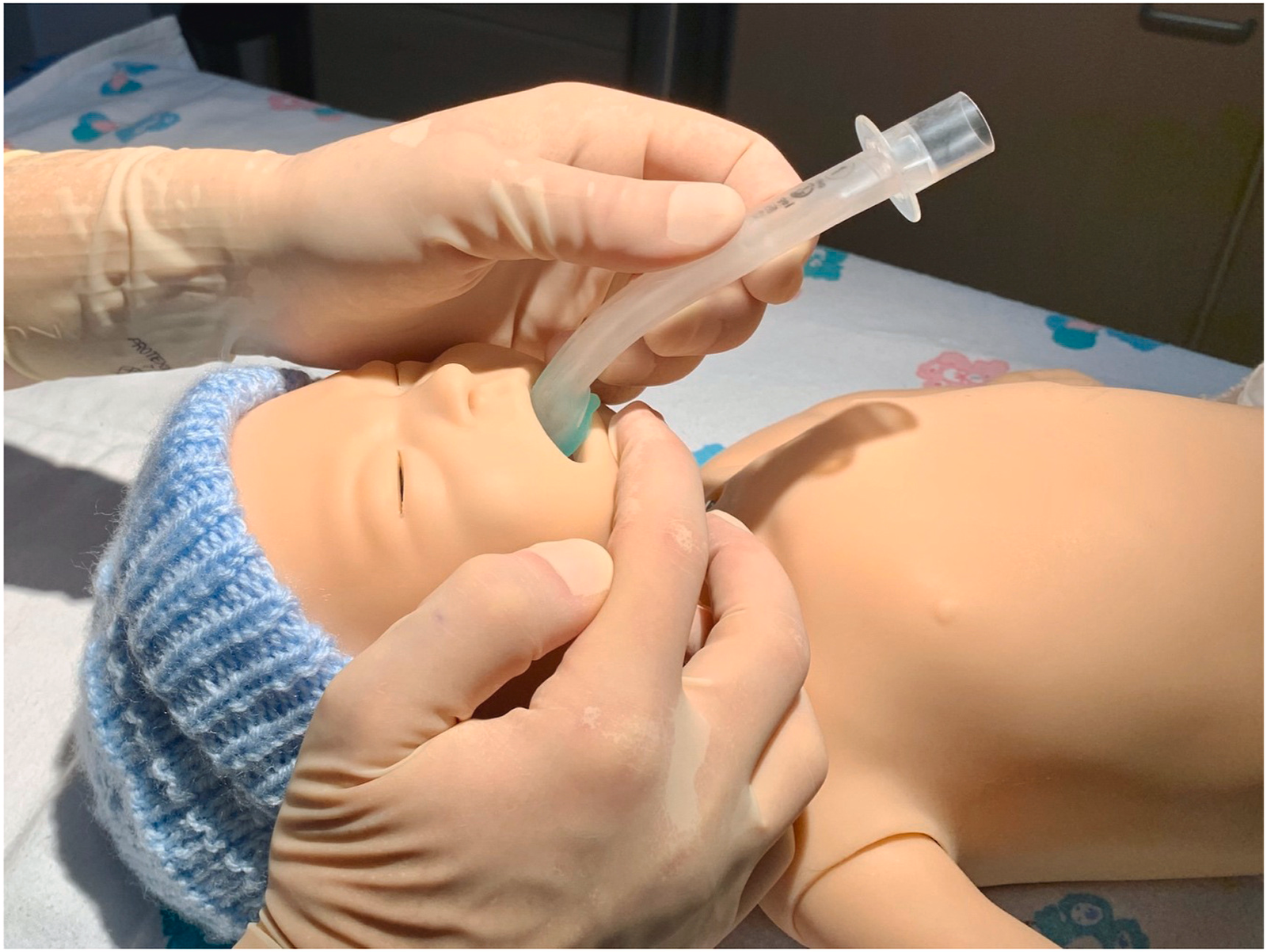
Newborn airway care demands careful attention as fragile anatomy and rapid physiological shifts can complicate early stabilization. Clinicians often face urgent situations where swift action is crucial for safe ventilation and oxygenation.
In many cases, selecting the right tool can influence outcomes, and devices such as a neonatal supraglottic airway offer supportive options when traditional methods present difficulty. This article outlines the airway challenges clinicians encounter and explains practical approaches to effective neonatal care.
The Anatomy Puzzle That Demands Precision
Newborn anatomy differs significantly from that of older children and adults. The airway is smaller, softer, and positioned differently. These features make airway access less straightforward and increase the risk of manipulation.
Clinicians must adjust techniques to account for:
Structural Distinctions
- Smaller Mouth and Throat Space
Very limited space makes device placement more challenging. - Large Tongue Relative to Oral Cavity
This can obscure the airway and hinder direct visualization. - High Larynx Position
The angle and height of the larynx add complexity to securing an open passage.
Each feature affects decisions about when and how to intervene, especially in time-sensitive situations such as resuscitation or transport between care settings.
Challenges That Shape Clinical Decisions
Airway management in neonates requires a balance between speed and safety. Clinicians often face pressure to act quickly while minimizing risk to delicate tissues.
Primary challenges include:
Timing and Urgency
Emergencies may arise suddenly, and delays can harm oxygen delivery to the brain and other organs. A clear, predictable process for airway support helps teams maintain momentum without unnecessary hesitation.
Skill Variability Across Teams
Not all care settings have the same level of pediatric airway expertise. Neonatal transport teams, delivery room staff, and intensive care units may bring differing levels of experience. Tools that simplify procedural steps help bridge gaps and support consistent practice.
Environment Considerations
Conditions such as lighting, access to space around the infant, and noise levels can influence performance. Tools that adapt easily to different physical spaces and clinical setups support clearer decision pathways.
Tools That Support Faster Access in Neonates
Modern airway devices enhance clinical confidence by reducing procedural complexity. Clinicians value instruments that are reliable, predictable, and compatible with standard respiratory support systems.
Features Clinicians Seek
- Rapid Placement Capability
Tools that allow quick positioning save precious seconds. - Size Options for Diverse Infants
Multiple sizes accommodate a wide range of birth weight variants. - Compatibility With Support Equipment
A device that connects easily to ventilation systems supports smoother transitions between care stages.
These attributes help reduce variation in airway access and secure effective ventilation sooner in critical moments. Supraglottic tools are among those options that have reshaped neonatal airway practice guidelines.
Looking at Airway Devices in Practice
Clinicians rely on tools shaped for newborn physiology, and among these, the neonatal supraglottic airway device stands out as a practical option for rapid and dependable airway access. Its structure supports secure placement without extensive steps, which helps reduce strain during tense clinical moments. The device offers a stable seal, gentle interaction with delicate tissue, and predictable performance across a range of neonatal sizes.
Purpose-built features give clinicians confidence during procedures where visualization is limited or time is scarce. The straightforward insertion pathway also supports care teams across delivery rooms, NICUs, and transport settings. By offering a reliable alternative to more complex methods, this device helps maintain continuous airflow and strengthens early respiratory support when infants need stability most.
Neonatal airway care demands quick decisions supported by techniques that protect fragile anatomy. Devices designed for newborns’ needs strengthen airway access and build confidence across varied care settings. Reliable tools and consistent preparation help reduce uncertainty during urgent moments. Effective airway strategies support safer beginnings and encourage healthier development in the earliest stages of life.
