
Introduction
Interior Painting is more than just applying color to your walls; it is a transformative process that can completely redefine the ambiance, personality, and feel of your living space. From selecting the perfect palette to mastering application techniques, understanding the nuances of Interior Painting is essential for homeowners, interior designers, and DIY enthusiasts alike. This article explores the comprehensive aspects of Interior Painting, including preparation, tools, techniques, and maintenance strategies, providing you with an in-depth guide to achieve a professional and long-lasting finish.
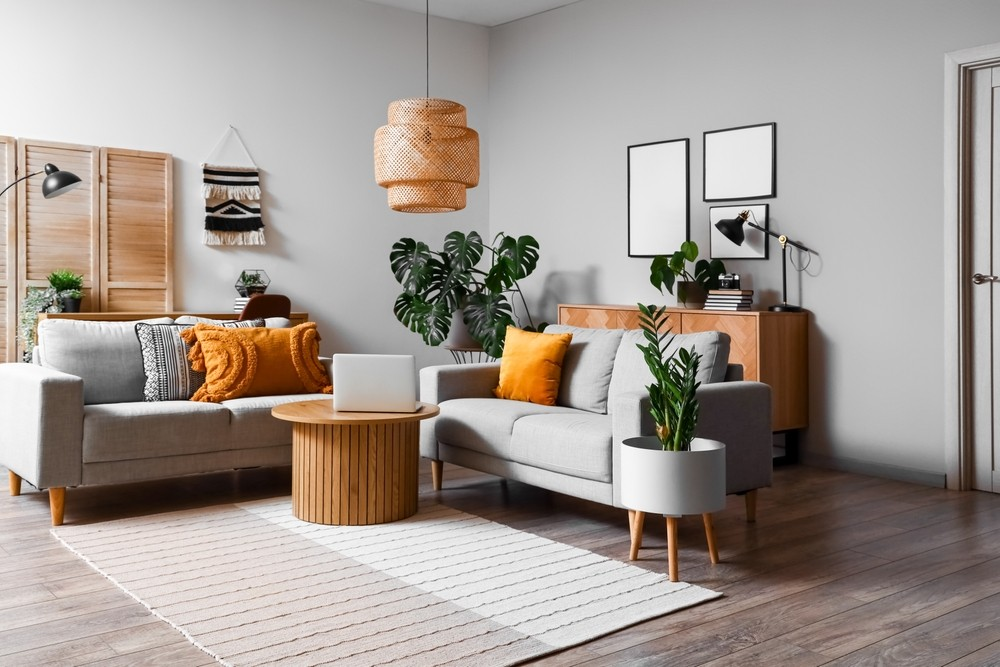
Painting the interior of your home offers an immediate aesthetic impact. While furniture, lighting, and décor contribute to a room’s appeal, wall color remains the dominant visual element, influencing mood, perception of space, and even psychological well-being. Effective Interior Painting is about balance choosing colors that complement your furniture and décor, harmonizing with natural and artificial light, and creating textures and finishes that elevate the space without overwhelming it.
The Importance of Proper Preparation
Successful Interior Painting starts long before the brush touches the wall. Preparation is a critical phase that determines the durability and quality of the final result. Begin by assessing the condition of your walls, identifying imperfections, cracks, and stains that may affect paint adhesion. Surface preparation includes cleaning, sanding, patching holes, and applying primer, which not only enhances paint adherence but also ensures an even color finish.
Primer selection is an often-overlooked aspect of Interior Painting. Using the correct primer can prevent issues such as peeling, bubbling, or uneven coverage. For instance, walls with heavy stains or repairs require stain-blocking primers, while new drywall benefits from an all-purpose primer that seals the surface. Skipping this step may save time initially but often results in costly touch-ups or repainting later.
Choosing the Right Paint and Finish
The choice of paint and finish is a defining factor in Interior Painting. Paints come in various types, such as latex, oil-based, and acrylic, each with unique properties and suitability for different surfaces. Latex paints are widely preferred for their low odor, quick drying time, and ease of cleaning. Oil-based paints offer durability and a smooth finish but require longer drying time and strong ventilation during application.
Equally important is selecting the appropriate finish, which affects not only the visual appearance but also the practicality of maintenance. Matte or flat finishes hide wall imperfections, making them ideal for ceilings and low-traffic areas. Eggshell and satin finishes provide a subtle sheen and are easier to clean, making them suitable for living rooms and bedrooms. Semi-gloss and gloss finishes offer high durability and moisture resistance, perfect for kitchens, bathrooms, and trim work. Understanding these nuances ensures that your Interior Painting not only looks stunning but also stands the test of time.
Tools and Equipment for Interior Painting
Professional-level Interior Painting requires the right tools and equipment to achieve a flawless outcome. Essential tools include high-quality brushes, rollers, painter’s tape, drop cloths, paint trays, and ladders. While brushes allow precision work along edges and corners, rollers enable faster coverage of large wall surfaces.
Investing in quality brushes and rollers can significantly impact the finish. Synthetic brushes work best with latex paints, while natural bristle brushes are ideal for oil-based paints. Rollers come in varying nap lengths suited to different wall textures — short nap for smooth walls and longer nap for textured surfaces. Painter’s tape ensures crisp edges and prevents unwanted paint marks on ceilings, trims, or adjoining walls. Drop cloths protect your floors and furniture, maintaining a clean work environment, which is crucial for a successful Interior Painting project.
Techniques for a Professional Finish
Achieving a professional finish requires understanding and applying effective Interior Painting techniques. Begin by cutting in along edges, corners, and around fixtures using a fine brush, ensuring clean lines. Next, use a roller in a “W” or “M” motion to apply paint evenly across large wall areas, avoiding streaks or roller marks. Working in sections and maintaining a wet edge prevents visible overlaps and ensures uniform color coverage.
Layering is also essential for depth and consistency. Most walls benefit from two coats of paint, with the first coat serving as a base and the second coat enriching color intensity and uniformity. When working with darker colors over lighter ones, applying a primer or a tinted undercoat can reduce the number of coats needed, saving time and ensuring an even finish. Proper drying time between coats is critical, as rushing this step can compromise the paint’s durability and appearance.
Enhancing Interiors with Color Theory
Color selection plays a pivotal role in Interior Painting, influencing mood, spatial perception, and overall harmony. Warm colors like reds, oranges, and yellows create energy and intimacy, ideal for social spaces such as living rooms and dining areas. Cool colors such as blues, greens, and purples provide a calming effect, making them perfect for bedrooms and study areas.
Understanding complementary, analogous, and monochromatic color schemes allows homeowners to make informed choices that align with their style and functional needs. Accent walls, for example, are an effective Interior Painting technique to highlight architectural features or create focal points without overwhelming the room. Blending color theory with personal preference and lighting conditions ensures that your painted interiors feel cohesive, inviting, and aesthetically pleasing.
Common Mistakes to Avoid
Even with preparation and careful planning, mistakes in Interior Painting are common, especially for DIY enthusiasts. One frequent error is neglecting wall cleaning before painting, which can lead to uneven adhesion and peeling. Another mistake is using poor-quality brushes or rollers, which can leave streaks, lint, or uneven textures. Overloading brushes or rollers with paint is another pitfall, as it creates drips and uneven layers.
Improper tape usage can also damage the wall surface when removed or leave unwanted lines if not applied correctly. Rushing the project, skipping primer, or ignoring drying times are additional mistakes that compromise the longevity of Interior Painting. Awareness of these common issues allows homeowners to avoid costly errors and achieve a professional-level finish, even when painting their interiors for the first time.
Maintenance and Longevity
Maintaining freshly painted walls ensures the beauty and durability of Interior Painting for years. Regular cleaning, avoiding abrasive scrubbing, and promptly addressing stains or scuffs prolong the lifespan of paint. High-traffic areas may benefit from periodic touch-ups or the application of a protective topcoat to resist wear and tear.
Environmental factors such as sunlight, humidity, and temperature fluctuations also affect painted surfaces. Using paints with UV protection, mold resistance, or washability can mitigate damage and maintain vibrant colors over time. Proper ventilation during and after painting helps the paint cure correctly, reducing the risk of cracking or peeling. By following maintenance best practices, homeowners can enjoy a long-lasting, visually stunning interior that continues to reflect their personal style and taste.
Interior Painting for Different Spaces
Different rooms have unique requirements for Interior Painting. Kitchens and bathrooms demand moisture-resistant paints to prevent mold and mildew growth, while living rooms and bedrooms prioritize aesthetic appeal and comfort. Hallways and entryways, which often experience higher traffic, require durable finishes that can withstand frequent contact without showing wear.
Interior Painting can also be used creatively in unconventional ways, such as adding murals, decorative textures, or faux finishes to elevate a space. Accent walls, striped patterns, and color-block techniques allow for artistic expression while maintaining harmony with existing décor. Understanding the specific functional and aesthetic needs of each room ensures that the paint not only looks beautiful but also performs effectively under different conditions.
The Benefits of Professional Interior Painting Services
While DIY Interior Painting is achievable, professional services offer expertise, efficiency, and superior results. Professionals understand surface preparation, paint selection, application techniques, and finishing touches that ensure a flawless, long-lasting outcome. They can also advise on color schemes, finishes, and trends, providing insights that enhance both aesthetics and functionality.
Hiring experts reduces stress, saves time, and minimizes the risk of mistakes that can lead to costly repairs. Professional Interior Painting services often come with warranties or guarantees, offering peace of mind that the investment in your home will be preserved for years. For homeowners seeking a high-quality, visually striking interior, professional painting is often the most reliable solution.
Conclusion
Interior Painting is a powerful tool for transforming your living space, reflecting personality, and enhancing comfort. From meticulous preparation and paint selection to mastering application techniques and maintenance, every step contributes to a lasting, professional finish. By understanding the principles of color theory, avoiding common mistakes, and considering the unique requirements of each room, homeowners can achieve interiors that are both beautiful and functional.
Whether undertaking a DIY project or hiring professional services, Interior Painting remains one of the most impactful ways to rejuvenate your home. With careful planning, attention to detail, and a focus on quality, your walls can become a canvas for creativity, elegance, and lasting satisfaction. Incorporating expert techniques and thoughtful color choices ensures that the results of your Interior Painting project will stand the test of time, making your home a welcoming, visually captivating space for years to come.
