
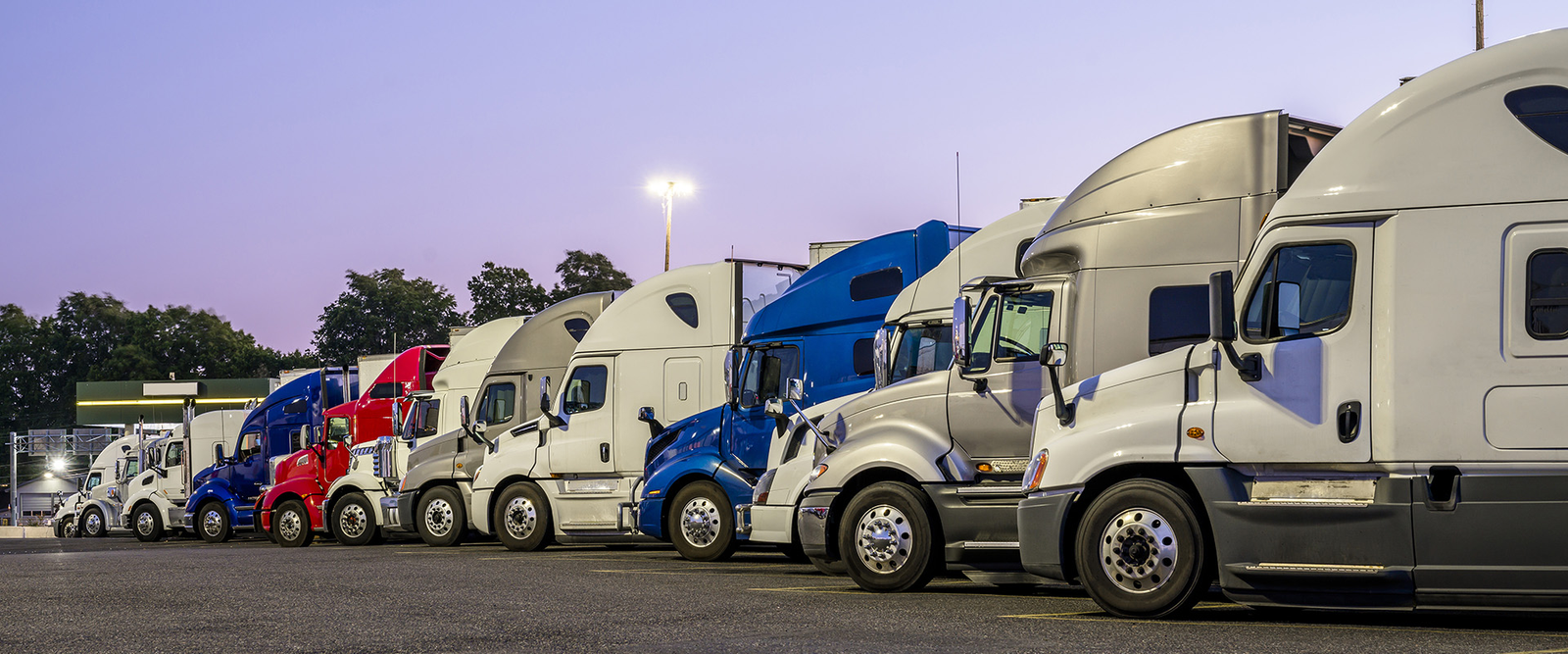
Truck parking has become one of the most pressing challenges in the transportation and logistics industry. As freight demand increases and supply chains expand, the number of commercial vehicles on the road continues to grow. However, the availability of safe and reliable truck parking has not kept pace with this growth. This imbalance creates operational difficulties for drivers, fleet managers, and logistics companies alike.
From regulatory compliance to safety concerns and operational efficiency, truck parking plays a crucial role in ensuring the smooth movement of goods across highways and distribution networks. Understanding the challenges, solutions, and future trends surrounding this issue is essential for anyone involved in the trucking industry.
Why Truck Parking Is Critical to the Transportation Industry
Truck parking is far more than just a place to stop. It directly impacts safety, compliance, driver well-being, and overall supply chain efficiency. Commercial drivers operate under strict hours-of-service regulations that limit how long they can drive before taking mandatory rest breaks. When drivers approach their driving limits, they must quickly find a secure location to park.
Without adequate parking facilities, drivers may be forced to continue searching for space, potentially violating regulations or risking fatigue. Fatigued driving is a major safety concern, reducing reaction time and increasing the likelihood of accidents. Safe and accessible truck parking helps prevent these risks and promotes responsible operations.
In addition, parking availability influences route planning and delivery timelines. If drivers cannot secure parking near their destination, delays may occur, affecting customer satisfaction and business profitability.
Growing Demand and Infrastructure Shortages
Freight transportation has experienced consistent growth due to e-commerce expansion, manufacturing output, and global trade. More goods moving across regions means more trucks on the road. Unfortunately, parking infrastructure development has lagged behind this increase in demand.
Public rest areas often reach full capacity early in the evening, especially along major freight corridors. Private truck stops and commercial lots also experience high occupancy rates during peak hours. As a result, drivers frequently compete for limited spaces, creating stress and uncertainty.
The shortage of truck parking has multiple consequences:
- Increased fuel consumption due to extended searching
- Higher emissions from idling engines
- Delayed deliveries
- Unsafe roadside parking
- Elevated risk of cargo theft
These challenges highlight the urgent need for expanded infrastructure and smarter parking management systems.
Safety Risks Associated with Inadequate Parking
Safety is one of the primary reasons why proper truck parking solutions are essential. When designated spaces are unavailable, drivers may resort to parking on highway shoulders, entrance ramps, or vacant lots. These locations are not designed for large commercial vehicles and can create hazardous conditions for other motorists.
Illegally or improperly parked trucks may obstruct visibility or reduce available roadway space, increasing the risk of collisions. Nighttime conditions and adverse weather further amplify these dangers.
Cargo security is another major concern. Trucks often transport high-value goods, making them targets for theft. Parking in unsecured areas without lighting or surveillance exposes drivers and freight to significant risk. Secure parking facilities with controlled access, surveillance systems, and adequate lighting help mitigate these threats.
The Importance of Amenities for Driver Well-Being
Truck drivers spend long hours on the road, often far from home. Access to clean and comfortable facilities during rest periods is essential for physical and mental health. Well-designed truck parking facilities typically include:
- Clean restrooms and showers
- Food services or convenience stores
- Fuel stations
- Maintenance services
- Wi-Fi access
- Laundry facilities
These amenities improve driver comfort and contribute to better rest quality. Well-rested drivers are more alert, focused, and capable of making safe decisions on the road.
Driver satisfaction also plays a role in retention. The trucking industry faces ongoing workforce challenges, and improving parking facilities can enhance overall job satisfaction.
Technology Transforming Truck Parking Solutions
Advancements in technology are reshaping how drivers find and secure parking spaces. Mobile applications and digital platforms provide real-time information about availability, pricing, and amenities. This data allows drivers to plan stops more effectively and reduce uncertainty.
Reservation systems are becoming increasingly popular. By booking a parking space in advance, drivers can guarantee availability upon arrival. This reduces the stress associated with searching for open spots late in the day.
Fleet managers benefit from integrating parking data into route optimization software. Predictive analytics can help anticipate parking demand and suggest optimal stopping points. These technological tools enhance efficiency and reduce wasted time and fuel.
Smart parking systems equipped with occupancy sensors can monitor usage patterns and share live updates. As adoption increases, these systems will likely become standard across major freight corridors.
Environmental and Economic Considerations
Efficient truck parking solutions provide environmental benefits by reducing unnecessary driving and idling. When drivers spend less time searching for spaces, fuel consumption decreases, leading to lower greenhouse gas emissions.
Economically, reliable parking supports on-time deliveries and regulatory compliance. Missed appointments due to parking delays can result in penalties and strained business relationships. Secure facilities also reduce losses associated with cargo theft and vehicle damage.
Investing in improved truck parking infrastructure ultimately strengthens the supply chain. Reduced accident rates, improved driver retention, and better operational efficiency contribute to long-term financial stability for transportation companies.
Strategies for Drivers and Fleet Managers
While infrastructure improvements are essential, individual drivers and fleet operators can take proactive steps to manage parking challenges effectively.
Advance Planning:
Mapping out potential parking locations before starting a trip helps avoid last-minute stress.
Flexible Scheduling:
Adjusting driving schedules to arrive at parking facilities earlier in the evening can increase availability.
Using Digital Tools:
Leveraging apps and reservation platforms enhances predictability and reduces search time.
Communication:
Maintaining open communication between dispatchers and drivers allows for real-time adjustments based on traffic or capacity changes.
By implementing these strategies, fleets can minimize disruptions and maintain compliance with safety regulations.
Public and Private Sector Collaboration
Addressing the truck parking shortage requires cooperation between government agencies and private industry. Public investment in expanding rest areas and upgrading facilities is essential. At the same time, private developers can build commercial parking lots that offer enhanced security and amenities.
Public-private partnerships provide opportunities to accelerate development and share costs. Incentives for private investment may encourage innovation in facility design and management.
Long-term planning should account for projected freight growth and evolving transportation trends. As electric commercial vehicles become more common, parking facilities may need to incorporate charging infrastructure to support future demand.
The Future of Truck Parking
The future of truck parking will likely be shaped by data-driven decision-making, sustainability initiatives, and advanced infrastructure design. Real-time monitoring systems will provide accurate occupancy information, reducing congestion and improving efficiency.
Automation and artificial intelligence may further streamline parking management. Predictive systems could forecast peak demand periods and guide drivers to available spaces before congestion occurs.
Sustainability will also play a growing role. Facilities may integrate renewable energy sources, energy-efficient lighting, and environmentally friendly construction materials. These improvements will align with broader industry goals of reducing environmental impact.
Conclusion
Truck parking is a vital component of a safe and efficient transportation system. It affects driver well-being, regulatory compliance, cargo security, and overall supply chain performance. Despite ongoing challenges related to demand and infrastructure shortages, strategic planning, technological innovation, and collaborative investment can provide effective solutions.
By prioritizing safe, secure, and accessible parking facilities, the trucking industry can enhance operational reliability and improve road safety. As freight volumes continue to grow, addressing truck parking needs will remain essential for sustaining a strong and resilient logistics network.
