
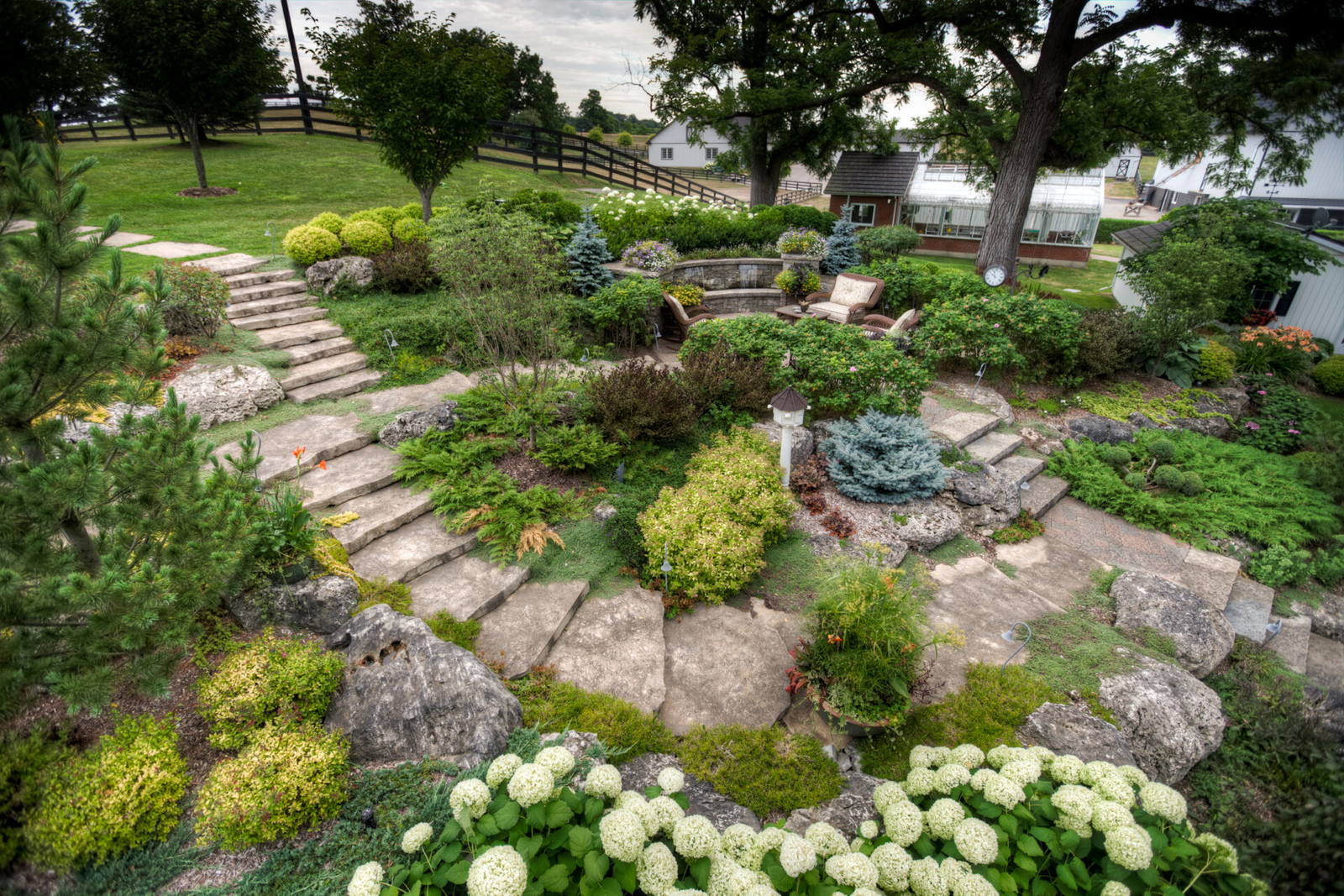
Landscaping is more than just an aesthetic enhancement for your property; it’s a strategic approach that combines beauty, functionality, and environmental responsibility. A well-planned landscape can elevate curb appeal, provide comfortable and functional outdoor spaces, and contribute to long-term sustainability by conserving resources and supporting biodiversity. Whether for a residential garden, commercial property, or public space, effective landscaping requires careful planning, design, and maintenance to achieve an environment that is visually appealing, practical, and eco-friendly.
Understanding the Goals of Landscaping
The primary goal of landscaping is to create outdoor spaces that harmonize with their environment while meeting the needs of property owners or users. This involves balancing aesthetics with practicality, selecting plants and materials that thrive in local conditions, and designing functional areas for recreation, relaxation, or work. Sustainable landscaping also considers water efficiency, soil health, and the ecological impact of design choices, ensuring that the landscape remains resilient and low-maintenance over time.
Key Elements of Effective Landscaping
Effective landscaping incorporates several key elements that together create a cohesive, functional, and sustainable outdoor space.
Plant Selection and Arrangement
Choosing the right plants is fundamental to achieving both beauty and sustainability. Native and drought-tolerant plants are preferred for their adaptability to local conditions, low water requirements, and resistance to pests and diseases. Proper arrangement considers sunlight, soil type, water needs, and seasonal interest, ensuring that plants thrive and create visually appealing patterns throughout the year.
Hardscaping Features
Hardscaping includes non-living elements such as pathways, patios, retaining walls, decks, and decorative structures. These features enhance functionality, define outdoor spaces, improve accessibility, and add visual interest. Selecting durable, low-maintenance materials for hardscaping reduces long-term upkeep and supports sustainability by minimizing replacement needs.
Water Management and Irrigation
Efficient water management is essential for a sustainable landscape. Incorporating irrigation systems, rainwater harvesting, and proper drainage prevents water waste, protects plant health, and reduces erosion. Drip irrigation or smart sprinkler systems ensure water is applied precisely where and when it is needed, promoting deep root growth and conserving resources.
Soil Health and Fertility
Healthy soil supports strong plant growth, enhances water retention, and reduces the need for chemical fertilizers. Composting, mulching, and organic soil amendments improve soil structure and nutrient content while promoting beneficial microorganisms. Proper soil management contributes to a resilient and sustainable landscape that requires less intensive maintenance.
Seasonal and Functional Considerations
Effective landscaping accounts for seasonal changes and functional requirements. Plant selection, placement, and maintenance schedules should consider flowering periods, leaf drop, and changing sunlight patterns. Functional areas such as seating, play zones, or outdoor kitchens should be strategically placed to maximize usability and comfort throughout the year.
Sustainable Landscaping Practices
Sustainability is a critical component of modern landscaping. Adopting eco-friendly practices benefits the environment while reducing long-term maintenance costs. Key sustainable landscaping techniques include:
- Native Planting: Reduces water consumption and chemical inputs while supporting local wildlife.
- Efficient Irrigation: Implements drip or automated irrigation systems to minimize water waste.
- Mulching: Retains soil moisture, suppresses weeds, and reduces the need for frequent watering.
- Composting: Recycles organic waste into nutrient-rich soil amendments.
- Integrated Pest Management: Uses natural methods to control pests instead of relying solely on chemical pesticides.
Maintenance for Longevity and Beauty
Even the best-designed landscapes require regular care to maintain their beauty and functionality. Routine maintenance tasks include mowing, pruning, weeding, fertilizing, pest control, and seasonal cleanups. Regular inspections of irrigation systems, soil health, and plant vitality ensure that issues are addressed promptly, preserving both aesthetics and sustainability over time.
Benefits of Thoughtful Landscaping
Investing in a well-designed landscape provides numerous benefits beyond visual appeal. Landscapes enhance property value, improve outdoor comfort, promote physical and mental well-being, and reduce environmental impact. Sustainable landscapes conserve water, support biodiversity, reduce urban heat, and minimize maintenance and chemical usage, creating a balance between beauty and responsibility.
Integrating Technology into Landscaping
Modern landscaping often integrates technology to optimize performance and maintenance. Smart irrigation controllers, automated lighting, and landscape monitoring systems allow property owners to manage resources efficiently and ensure plant health. These technologies contribute to energy and water conservation while simplifying maintenance tasks and enhancing the functionality of outdoor spaces.
Planning and Design Considerations
Successful landscaping begins with careful planning and design. Understanding site conditions, climate, soil, and existing vegetation informs plant and material selection. Functional requirements, such as pathways, seating, and activity zones, must be balanced with aesthetic goals to create a cohesive and enjoyable space. Collaboration with professional landscape designers can provide expertise in combining these elements effectively while ensuring that sustainability practices are integrated from the start.
Conclusion
Landscaping is a multidimensional process that combines beauty, functionality, and sustainability to create outdoor spaces that are both visually appealing and environmentally responsible. Through thoughtful design, strategic plant and material selection, efficient water management, and regular maintenance, landscapes can thrive while minimizing environmental impact. Sustainable landscaping practices protect resources, support biodiversity, and reduce long-term maintenance costs, ensuring that properties remain attractive and functional for years to come. By investing in quality landscaping, property owners enhance the value, usability, and ecological footprint of their spaces, creating an outdoor environment that balances aesthetics, practicality, and long-term sustainability.
