
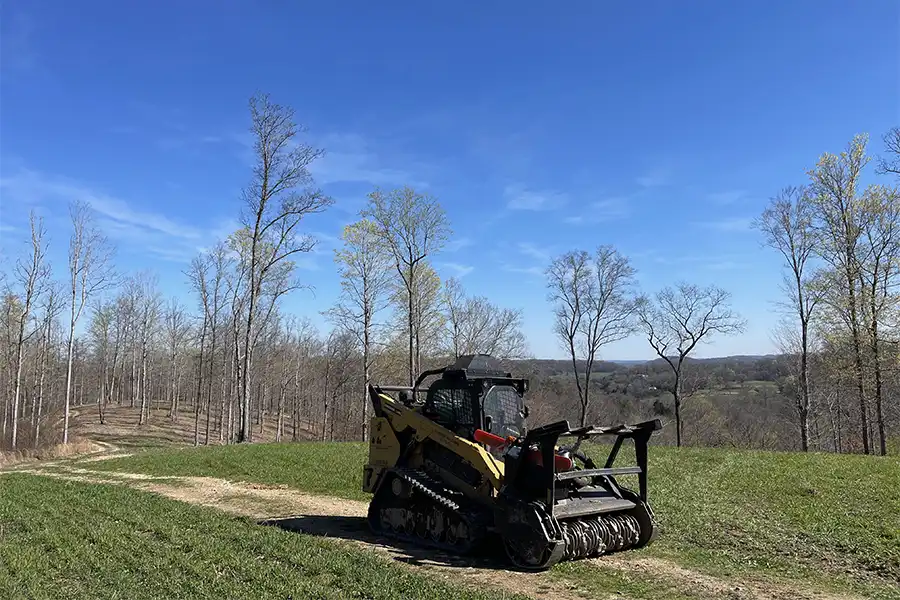
Forestry mulching has become an essential practice in land management, offering a sustainable and efficient solution for clearing vegetation, maintaining landscapes, and promoting ecological health. As landowners, municipal planners, and environmental managers increasingly seek methods that balance productivity with environmental responsibility, forestry mulching stands out as an innovative and practical approach.
At its core, forestry mulching involves the use of specialized machinery to grind trees, brush, and undergrowth into mulch, which is then left on the ground to naturally decompose. This process not only clears land efficiently but also enhances soil quality, reduces erosion, and minimizes the need for chemical herbicides. The technique has been adopted in a variety of contexts, from construction site preparation to habitat restoration, making it a versatile tool in modern land management.
What is Forestry Mulching?
Forestry mulching is a mechanical process where a mulching machine, often equipped with a rotating drum and sharp steel teeth, grinds vegetation into small pieces. Unlike traditional methods such as bulldozing, burning, or chemical clearing, forestry mulching is minimally invasive to the surrounding environment. The resulting mulch serves as a natural fertilizer, helping retain moisture in the soil and supporting new plant growth.
This method is particularly effective in areas with dense brush or invasive plant species. By selectively removing unwanted vegetation while leaving beneficial plants intact, forestry mulching promotes a healthier ecosystem and supports biodiversity. The process can also reduce wildfire risks by removing excess fuel in the form of dead trees and dense underbrush, providing both safety and environmental benefits.
Equipment Used in Forestry Mulching
The success of forestry mulching largely depends on the right equipment. Modern mulching machines are highly specialized and come in different sizes and configurations to suit various terrain types and project scales. The primary components of these machines include:
- Rotating Drum with Steel Teeth: This is the heart of the mulcher. The drum rotates at high speed to grind vegetation into mulch. Teeth are replaceable, ensuring longevity and consistent performance.
- Tracked or Wheeled Chassis: Mulching machines are often built on tracked platforms for stability on uneven terrain. Wheeled versions are available for more maneuverable operations in urban or semi-urban areas.
- Hydraulic Systems: These systems provide the necessary power to operate the drum and allow precise control of cutting height and speed.
- Operator Cabin: Modern mulchers have enclosed cabins with ergonomic controls and safety features, allowing operators to work efficiently in challenging environments.
In addition to standalone mulching machines, forestry mulching can also be performed using attachments for excavators and skid steer loaders. These attachments provide flexibility for projects with space limitations or where full-sized machines cannot operate effectively.
Advantages of Forestry Mulching
The growing popularity of forestry mulching can be attributed to several distinct advantages over traditional land-clearing methods. Understanding these benefits helps explain why this technique is increasingly preferred for sustainable land management.
Environmental Benefits
One of the most significant advantages of forestry mulching is its minimal environmental impact. Unlike methods that involve burning or chemical herbicides, mulching retains organic material on the site, enriching the soil as it decomposes. This natural fertilization supports vegetation regrowth, stabilizes the soil, and reduces erosion, which is especially important in areas prone to landslides or runoff.
Additionally, forestry mulching preserves the existing root systems of beneficial plants, allowing ecosystems to recover faster. This selective approach prevents habitat destruction and encourages biodiversity, which is vital for maintaining ecological balance.
Cost Efficiency
Forestry mulching can be more cost-effective than traditional land-clearing methods. It eliminates the need for multiple steps such as cutting, hauling, and disposing of vegetation. Since the mulch remains on-site, labor and disposal costs are significantly reduced. For large-scale projects, this streamlined process translates into faster project completion and lower overall expenses.
Safety Improvements
Clearing dense vegetation manually or with heavy machinery can be hazardous. Forestry mulching reduces the need for chainsaws, bulldozers, and other equipment that pose significant risks to operators. The enclosed cabin of a mulching machine protects operators from debris, dust, and potential hazards, making it a safer option in challenging terrains.
Fire Mitigation
In areas prone to wildfires, forestry mulching is an effective preventative measure. By grinding down brush and dead trees, it removes potential fuel while leaving the soil and ecosystem intact. The resulting mulch layer slows the spread of fire, giving communities and wildlife more protection during fire season.
Versatility
Forestry mulching is suitable for various applications, ranging from small residential properties to large public lands. Its adaptability allows it to handle diverse vegetation types, from thick brush and shrubs to small trees, making it an ideal solution for environmental restoration, utility right-of-way maintenance, and site preparation for construction or agriculture.
Applications of Forestry Mulching
The versatility of forestry mulching means it can be applied in a wide range of contexts. Understanding its applications helps landowners and managers make informed decisions about where and how to utilize this technique.
Land Clearing and Site Preparation
Before construction or agricultural development, land often needs to be cleared of unwanted vegetation. Traditional methods can be time-consuming and environmentally damaging, whereas forestry mulching quickly and efficiently clears land while leaving the soil enriched with organic material. This process creates a clean, stable surface ready for development while maintaining soil integrity.
Habitat Restoration
Forestry mulching plays a crucial role in ecological restoration projects. Invasive species can overwhelm native plants, disrupting local ecosystems. Mulching removes invasive vegetation while minimizing soil disturbance, allowing native plants to thrive. Over time, this promotes biodiversity and creates healthier habitats for wildlife.
Utility and Road Maintenance
Power lines, pipelines, and roads require regular clearing of brush and trees to maintain safety and accessibility. Forestry mulching offers a fast and efficient solution without the need for repeated chemical treatments or costly manual labor. It also allows for ongoing maintenance with minimal environmental impact.
Fire Prevention
In wildfire-prone regions, forestry mulching is used as part of fuel reduction strategies. By grinding dead trees, dense brush, and other combustible material, it reduces the intensity of potential fires. This proactive approach protects communities, wildlife, and natural resources from devastating fires.
Agricultural Applications
Farmers and ranchers use forestry mulching to clear overgrown pastures, remove brush around crops, and prepare fields for planting. The mulch improves soil quality, conserves moisture, and reduces the need for additional fertilizers, supporting sustainable agricultural practices.
Best Practices for Forestry Mulching
To maximize the benefits of forestry mulching, certain best practices should be followed. These guidelines ensure efficiency, safety, and environmental responsibility.
Site Assessment
Before beginning any mulching project, it’s important to assess the site thoroughly. Identify vegetation types, terrain challenges, and potential hazards. This assessment helps determine the appropriate machinery, cutting height, and operation techniques.
Proper Equipment Selection
Choosing the right equipment is critical. Large-scale projects may require full-sized mulching machines, while smaller or harder-to-reach areas may be better suited for skid steer attachments. Consider factors such as terrain, vegetation density, and project scope when selecting machinery.
Controlled Operations
Operators should maintain control over cutting speed and height to prevent soil damage. Excessive speed can tear roots and disrupt the soil structure, while improper cutting height can harm desirable plants. Regular equipment maintenance, including checking teeth and hydraulic systems, ensures consistent performance.
Environmental Considerations
Forestry mulching should be conducted with ecological sensitivity in mind. Avoid areas with sensitive wildlife during breeding seasons, and minimize soil disturbance to protect native plants. Leaving the mulch in place supports natural nutrient cycling and promotes long-term soil health.
Safety Protocols
Safety is paramount. Operators should wear protective gear, follow machine operating instructions, and maintain situational awareness. Clearly mark work zones and keep bystanders at a safe distance to prevent accidents.
Challenges and Limitations
While forestry mulching offers numerous advantages, it also has certain limitations that should be considered.
- Initial Equipment Cost: High-quality mulching machines can be expensive, though the long-term cost savings often offset this investment.
- Fuel Consumption: Operating large machines requires fuel, which can add operational costs and environmental impact.
- Not Suitable for Large Trees: Forestry mulching is most effective for small to medium trees, brush, and shrubs. Large hardwood trees may require additional equipment or alternative clearing methods.
- Terrain Limitations: Extremely rocky or steep terrain may limit machine access and efficiency.
Despite these challenges, forestry mulching remains a highly effective and environmentally responsible approach to land management.
Conclusion
Forestry mulching represents a significant advancement in sustainable land management practices. Its combination of efficiency, environmental stewardship, and cost-effectiveness makes it an attractive option for landowners, municipalities, and environmental managers alike. By understanding the equipment, benefits, applications, and best practices associated with forestry mulching, stakeholders can make informed decisions that promote healthier ecosystems, reduce wildfire risks, and prepare land for productive use.
The technique’s versatility from clearing overgrown agricultural land to restoring natural habitats underscores its value in both commercial and ecological contexts. As modern land management increasingly emphasizes sustainability and minimal environmental impact, forestry mulching is poised to play a central role in shaping a balanced and productive approach to land care.
By integrating forestry mulching into strategic planning, landowners and managers can achieve efficient land clearing, support environmental restoration, and ensure the long-term health of soil and vegetation, all while optimizing operational costs and safety.
