
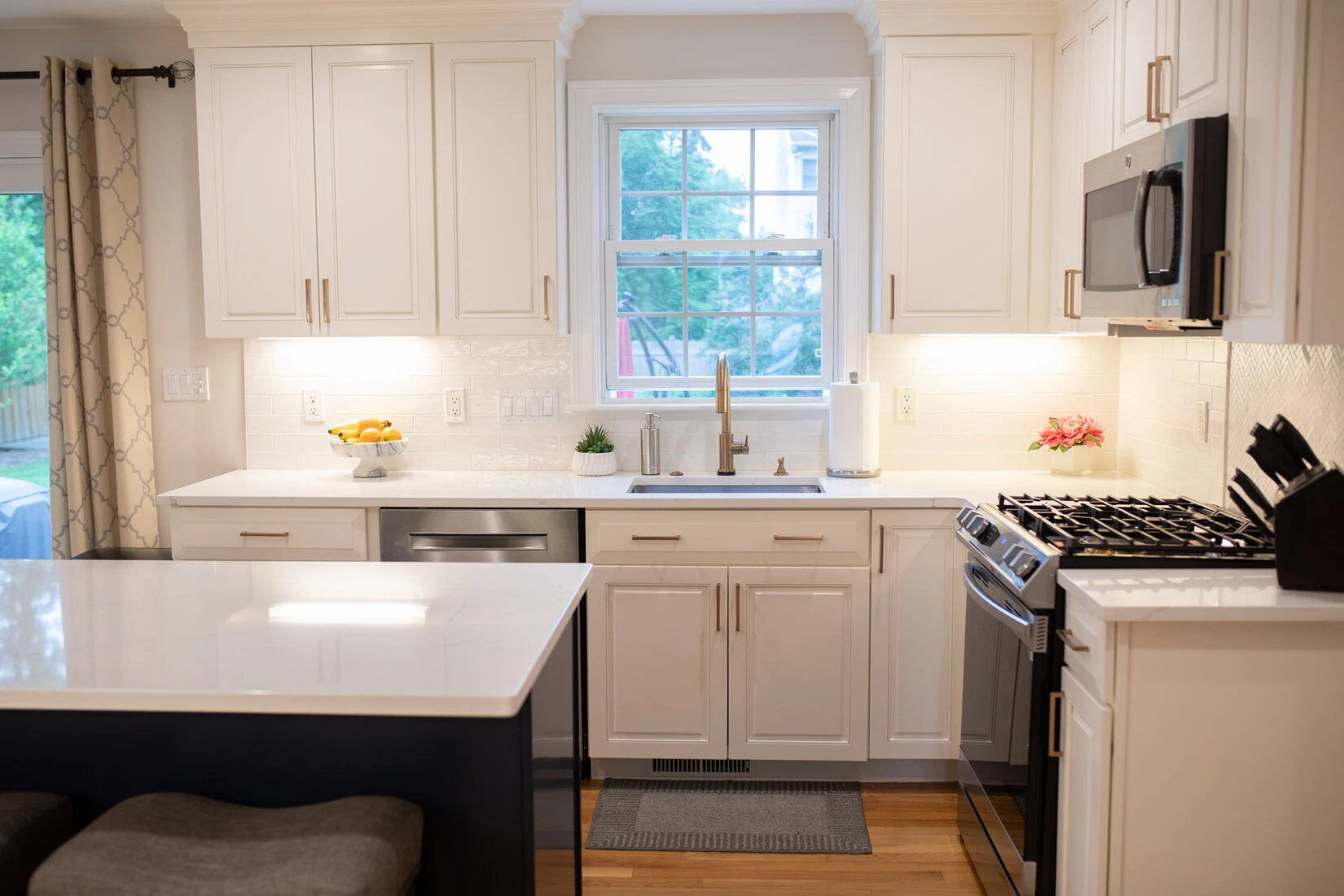
Cabinet painting is one of the most effective ways to refresh and modernize the appearance of a kitchen, bathroom, or storage space without undergoing a full renovation. Cabinets are a focal point in many rooms, and their color, finish, and overall look greatly influence the aesthetic of the space. Over time, cabinets can become worn, scratched, or outdated, leaving homeowners feeling dissatisfied with their appearance. Rather than replacing the entire cabinetry, cabinet painting offers a cost-effective solution that delivers a dramatic visual improvement, enhances durability, and allows for personalization in style and color.
Cabinet painting is not merely a simple cosmetic procedure; it requires careful preparation, the right materials, and proper application techniques to achieve a smooth, long-lasting finish. The process involves cleaning and prepping surfaces, repairing any damage, sanding for adhesion, priming, painting with high-quality coatings, and applying protective finishes. Each of these steps is essential to ensure that the final result is both aesthetically pleasing and resistant to the wear and tear of daily use. Choosing the correct type of paint and finish can also impact durability, particularly in high-moisture areas such as kitchens and bathrooms.
Benefits of Painting Cabinets
One of the main benefits of cabinet painting is cost savings. Replacing cabinets can be prohibitively expensive, especially for high-quality or custom cabinetry. Painting existing cabinets allows homeowners to achieve a completely new look for a fraction of the cost. Additionally, cabinet painting is less invasive than full replacement, requiring minimal disruption to the household and avoiding the need for extensive construction or remodeling.
Another significant benefit is the ability to customize the color and finish. Homeowners can choose from a wide range of paint colors, from neutral shades to bold, vibrant tones that make a statement. Various finishes, including matte, satin, semi-gloss, or high-gloss, can be applied to achieve different aesthetic effects. Glossy finishes are often preferred for contemporary styles and are easier to clean, while matte or satin finishes create a softer, more subtle look. Customization ensures that the cabinets complement the overall décor and design vision of the space.
Cabinet painting also provides an opportunity to repair and restore worn or damaged surfaces. Scratches, dents, and minor imperfections can be filled and smoothed during the preparation process, leaving the cabinets looking like new. In addition, painting enhances the longevity of cabinetry by creating a protective coating that guards against moisture, heat, and everyday wear. Properly painted cabinets can maintain their appearance for many years, making this approach a long-term investment in the functionality and style of the home.
Preparing Cabinets for Painting
Preparation is the most critical step in the cabinet painting process. Proper preparation ensures that the paint adheres correctly and produces a smooth, durable finish. The first step is to remove all cabinet doors, drawers, and hardware, including knobs, handles, and hinges. This allows each piece to be painted evenly and reduces the risk of drips or uneven coverage. Labeling the doors and hardware during removal is important to make reassembly easier after painting.
Once the cabinet surfaces are cleared, a thorough cleaning is required to remove grease, dirt, and dust. Kitchens, in particular, accumulate oils and grime over time, which can interfere with paint adhesion. Using a degreasing cleaner or mild detergent followed by rinsing and drying ensures that the surfaces are properly prepared. Any scratches, dents, or holes should be filled with wood filler or putty and sanded smooth once dry. Sanding is necessary not only to smooth imperfections but also to scuff the existing finish, providing a key for the new paint to adhere to effectively.
Choosing the Right Paint for Cabinets
Selecting the appropriate type of paint is essential for achieving a long-lasting, durable finish. Cabinets require paint that can withstand frequent use, cleaning, and exposure to moisture and heat. High-quality acrylic latex paints or oil-based paints are often recommended due to their durability and smooth finish. Acrylic latex paints are popular because they offer easier clean-up, low odor, and flexibility in application, while oil-based paints provide a harder, more resilient finish but require mineral spirits for cleaning.
In addition to choosing the type of paint, selecting the appropriate finish is important. Satin and semi-gloss finishes are commonly used for cabinets because they provide a slight sheen that is easy to clean while minimizing imperfections. High-gloss finishes offer a contemporary look and are highly durable, but they can highlight surface flaws if preparation is not meticulous. Matte finishes, while aesthetically pleasing in certain styles, may be less durable in high-traffic areas. Testing a small section or sample piece before committing to the entire cabinet set can help determine the best combination of paint type and finish.
Application Techniques for Professional Results
Applying paint correctly is key to achieving a professional-looking cabinet finish. Many professionals recommend using a combination of brushes and rollers or a paint sprayer for smooth, even coverage. Brushes are ideal for detailed areas, edges, and corners, while rollers or sprayers provide a uniform finish on larger flat surfaces. Several thin coats are preferable to a single thick coat, as this reduces the risk of drips, runs, and uneven texture.
Priming is a crucial step, especially when painting over dark colors, glossy surfaces, or raw wood. A high-quality primer enhances paint adhesion, prevents stains or tannins from bleeding through, and contributes to a longer-lasting finish. Once the primer is dry, sanding lightly between coats helps achieve a smooth, professional appearance. The final coat of paint should be applied carefully, ensuring even coverage and attention to detail around edges and corners.
Finishing and Protecting Painted Cabinets
After painting, applying a protective topcoat or sealer enhances the durability of cabinets. Polyurethane or poly acrylic finishes are commonly used to protect against scratches, moisture, and daily wear. Water-based sealers are preferred for their clear finish and low odor, while oil-based sealers provide a harder surface but may alter the paint color slightly. Multiple thin coats of a topcoat, with light sanding in between, provide optimal protection and longevity.
Reinstalling the hardware and reattaching cabinet doors and drawers should be done carefully to avoid scratching or chipping the new paint. Using soft cloths or padding during reassembly can prevent damage. Proper curing time is also important, as painted surfaces may remain susceptible to damage for several days after completion. Following manufacturer guidelines ensures that cabinets are fully cured and ready for regular use.
Common Challenges in Cabinet Painting
Cabinet painting presents several challenges that homeowners should anticipate. Surface preparation can be labor-intensive, particularly when dealing with grease, grime, or multiple layers of old paint. Inadequate sanding or cleaning can result in peeling or uneven finishes. Achieving a smooth, professional look requires patience, precision, and attention to detail throughout the entire process.
Another challenge is dealing with intricate details, moldings, or raised panels. These areas require careful brushwork or the use of specialized tools to ensure that paint reaches every corner without leaving brush marks or drips. Choosing the right paint application method and using high-quality brushes, rollers, or sprayers helps overcome these obstacles and produces a flawless finish.
Environmental factors, such as temperature, humidity, and dust, can also affect drying and curing times. Painting in controlled conditions or using proper ventilation reduces the likelihood of imperfections and ensures a durable, professional result.
Benefits Beyond Aesthetics
Beyond enhancing appearance, cabinet painting provides practical benefits. It increases the lifespan of cabinetry by creating a protective barrier against moisture, heat, and daily wear. Painted cabinets are easier to clean and maintain, contributing to improved hygiene, particularly in kitchens and bathrooms. Additionally, cabinet painting offers a sustainable alternative to full replacement, reducing waste and environmental impact. Homeowners can achieve a modern, refreshed look without discarding perfectly functional cabinetry.
Conclusion
Cabinet painting is a transformative home improvement technique that combines style, durability, and cost-effectiveness. Proper preparation, high-quality materials, careful application, and protective finishes are essential to achieve professional results that last for years. By understanding the process, selecting the right paint and finishes, and addressing common challenges, homeowners can successfully refresh their cabinets and elevate the overall aesthetic of their space. Whether updating a kitchen, bathroom, or storage area, cabinet painting is a versatile solution that provides long-term beauty, functionality, and value, making it a worthwhile investment in both home improvement and personal satisfaction.
