
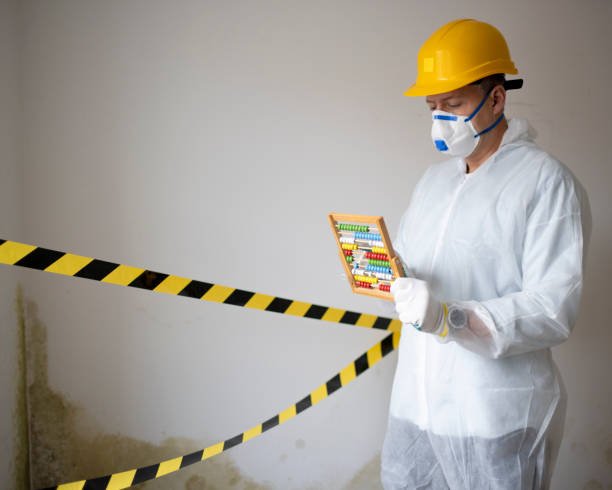
When people think about home improvements or commercial renovations, they often focus on design, layout, or functionality. Rarely does anyone consider what might be hidden behind the walls, under the flooring, or above the ceiling panels.
For properties built before the late 1980s, one hidden risk stands out: asbestos.
While asbestos was once widely used for its durability and fire resistance, we now understand the serious health risks it can pose when disturbed. That’s why asbestos testing experts play such a crucial role in protecting both homes and workplaces.
Testing isn’t about creating alarm — it’s about creating certainty.
Why Asbestos Is Still a Concern Today
Asbestos was commonly used in building materials for decades. It can be found in roofing sheets, wall linings, insulation, vinyl floor tiles, pipe lagging, and even textured paint.
According to general information on asbestos, the material was popular because it resisted heat and corrosion. However, when asbestos-containing materials are damaged or disturbed, tiny fibres can become airborne and inhaled.
The danger lies in those microscopic fibres. They are invisible to the naked eye and can remain suspended in the air for long periods.
In residential settings, this might occur during:
- Kitchen or bathroom renovations
- Removing old flooring
- Replacing ceiling panels
- Installing new electrical wiring
In commercial spaces, risk increases due to larger-scale work:
- Office refurbishments
- Warehouse upgrades
- HVAC replacements
- Demolition projects
Without proper testing, property owners are essentially guessing whether asbestos is present.
The Importance of Professional Testing
Asbestos cannot be identified reliably just by looking at it.
Many materials that appear harmless may contain asbestos fibres. Professional testing involves collecting small samples and sending them to accredited laboratories for analysis.
Testing experts follow strict procedures to ensure samples are collected safely and contamination is not spread. They use protective equipment and controlled techniques to prevent fibres from becoming airborne during collection.
For example:
- A homeowner renovating a bathroom may discover cement sheeting behind tiles. Testing confirms whether it contains asbestos before demolition continues.
- A retail store upgrading its lighting may test ceiling panels before contractors begin cutting into them.
- A warehouse preparing for expansion may assess old roofing sheets before removal.
Testing transforms uncertainty into clear information.
That clarity allows safe decisions to follow.
Protecting Workers and Occupants
In the workplace, employers have a legal responsibility to provide a safe environment.
Testing is often the first step in fulfilling those obligations.
Imagine a school upgrading classrooms. Without testing, drilling into ceiling panels could expose teachers and students to airborne fibres. In a factory setting, disturbing insulation around machinery without prior testing could put employees at risk.
Professional asbestos testing experts help identify hazards before work begins. If asbestos is detected, a safe management or removal plan can be implemented.
This proactive approach protects:
- Employees
- Contractors
- Tenants
- Customers
- Family members in residential homes
Safety always starts with awareness.
Supporting Compliance and Risk Management
Testing is not just about health — it’s also about compliance.
Regulations require certain commercial property owners to maintain asbestos registers or management plans. Accurate testing ensures documentation reflects real conditions.
For example:
- Property managers leasing office space may need up-to-date asbestos reports.
- Construction companies bidding on renovation projects require verified testing results.
- Commercial landlords must demonstrate that their properties are safe.
Failure to test properly can lead to legal consequences, project delays, and reputational damage.
Professional services ensure that testing is documented and conducted in accordance with recognised standards.
If you’re planning renovations or property upgrades, reviewing services provided by asbestos testing experts can help you understand how structured testing processes support safety and compliance.
Reliable testing prevents costly mistakes later.
Minimising Disruption During Renovations
Discovering asbestos unexpectedly during construction can bring projects to a halt.
When testing is done early, work can be scheduled more efficiently.
For example:
- A commercial renovation can plan removal before general trades begin.
- A residential project can budget appropriately for safe disposal.
- A demolition timeline can account for necessary safety measures.
Early testing avoids last-minute delays, emergency shutdowns, and rushed decisions.
It also provides peace of mind for contractors working on-site.
Creating Long-Term Confidence
Asbestos concerns don’t disappear after one renovation.
Property owners benefit from having documented testing records for future reference.
For instance:
- A homeowner planning to sell can provide testing documentation to buyers.
- A business owner leasing property can demonstrate compliance to tenants.
- A facility manager can maintain an up-to-date asbestos register to support ongoing safety management.
Testing creates transparency.
That transparency builds trust.
Why Expertise Matters
Not all testing services are equal.
Professional experts understand:
- Safe sample collection methods
- Laboratory analysis standards
- Regulatory requirements
- Risk assessment procedures
They also know how to interpret results clearly and provide practical next steps.
Testing isn’t just about collecting a sample — it’s about delivering accurate information that guides safe decisions.
Attempting DIY sampling can disturb materials improperly and increase exposure risk.
When health and compliance are involved, professional expertise is essential.
Final Thoughts
Asbestos may be a legacy material, but its presence continues to impact homes and workplaces across Australia.
Testing experts play a vital role in:
- Identifying hidden risks
- Protecting occupants and workers
- Supporting legal compliance
- Preventing costly project disruptions
- Providing long-term documentation and peace of mind
Whether you’re renovating a family home or managing a large commercial property, testing should always come before demolition, drilling, or structural changes.
In the end, the role of asbestos testing experts is simple yet critical: they replace uncertainty with clarity — and clarity is the foundation of safety.
