
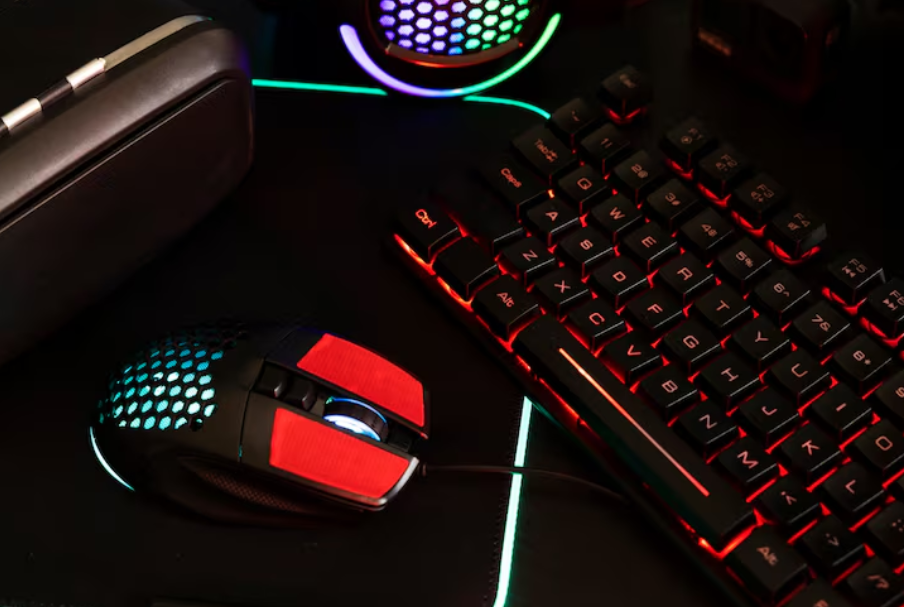
In today’s competitive gaming landscape, milliseconds can be the difference between victory and defeat. With this in mind, the quest for the lightest gaming mouse has become a critical pursuit among gamers seeking to optimise their performance. By minimising the weight of the mouse, players experience less fatigue and increase speed and precision, which can be a decisive advantage in high-paced gaming environments.
The Science Behind Lightweight Design
Advancements in materials and engineering have led to the development of ultra-light gaming peripherals. Traditional gaming mice could weigh upwards of 100 grams, whereas current designs strive to reduce this figure by as much as half. A significant weight reduction is achieved using honeycomb shells, which preserve structure and durability while drastically cutting down mass. High-grade materials like carbon fibre and magnesium alloys further contribute to the reduced weight, ensuring the devices remain resilient despite their lightness.
Technological Innovations
1. Advanced Sensors
The evolution of sensors is paramount in the development of lightweight gaming mice. Modern sensors offer rapid response times and precision tracking without necessitating bulky internal components. Optical sensors have notably surpassed laser alternatives in popularity due to their responsiveness and ability to function efficiently with less power. Additionally, manufacturers have designed sensors that adjust the lift-off distance and polling rate according to the player’s preference, providing greater customisation while maintaining a featherweight profile.
2. Enhanced Switches and Mechanisms
Small but significant components, such as switches and scroll wheel mechanisms, have seen enhancements that contribute to the overall nimbleness of gaming mice. Mechanical switches have been miniaturised and improved for durability and rapid actuation. Some modern mice incorporate optical switches, which use light (often infrared) to register clicks, resulting in faster response time and eliminating debounce delay, a valuable improvement in ensuring faster in-game inputs.
Design Aesthetic vs Performance
3. Aesthetic Innovation
The visual design of gaming mice has evolved alongside function, marrying form with lightweight utility. Minimalistic aesthetics often belied the high performance of these devices. While RGB lighting and intricate designs remain prevalent, they are now integrated without compromising weight or function. Manufacturers increasingly use detachable cables, or entirely wireless setups, to further unencumber players without sacrificing stability or input latency.
4. Ergonomics
Ergonomics plays a crucial role in the design of the lightest gaming mice. Designers aim for contour and button placement that supports prolonged use without strain. By focusing on ‘claw’ and ‘fingertip’ grip styles, often preferred by professional gamers, modern gaming mice feature strategically placed thumb buttons and grips. Additionally, the overall shape and balance have evolved to complement the lightweight textiles, ensuring that a reduction in weight does not come at the expense of control or comfort.
Notable Models on the Market
Several key players dominate the market for the lightest gaming mice, each offering models that cater to different preferences and styles. Brands such as Logitech, Razer, and Glorious have pushed boundaries to deliver mice that boast some of the most compelling features an eSports enthusiast could desire.
5. Logitech
Logitech has long been a leader in the gaming peripheral industry, combining high performance with quality craftsmanship. The Logitech G Pro X Superlight is one of the most commendable models, weighing under 63 grams. It maintains structured integrity without unnecessary frills, focusing on delivering a straightforward, compelling experience. With a HERO 25K sensor and the Lightspeed wireless technology, it provides an elevated level of responsiveness and accuracy, making it an industry favourite.
6. Razer
Razer’s Viper Mini offers another distinguished option, known for its speedy performance and versatile Synapse software. It features the optical mouse switches and weighs just about 61 grams. While it’s slightly heavier than some of its competitors, it offers a well-rounded experience. Through its lightweight designs and programmable buttons, Razer presents a blend of innovation and tradition.
7. Glorious
Glorious has made notable strides with its Model O series, often hailed for its ultralight design complemented by a distinct honeycomb aesthetic. It stands out not just for its featherweight construction of approximately 58 grams but also for accessible pricing, which removes barriers for gamers seeking quality yet affordable gear. The Glorious Model O integrates Pixart sensors, providing DPI adjustment tailored to individual skill levels, ensuring every moment counts.
Future of Lightweight Gaming Solutions
The drive for lighter gaming mice is not merely a trend but a reflection of deeper technological evolution in personal computing. As newer materials emerge and consumer preferences shift towards customisability and ergonomic considerations, the focus on ultra-lightweight design is expected to persist.
Efforts in ergonomic research and sensor technology are on the frontier of this evolution, promising even more specialised solutions tailored to the diverse gaming community. The reduced weight facilitates more accessible and inclusive gaming sessions for all skill levels, opening pathways to innovation on a larger scale. Forward-thinking developers remain committed to pushing these boundaries, ensuring the ‘lightest gaming mouse’ is continually redefined, meeting the demands of tomorrow’s gamers.