
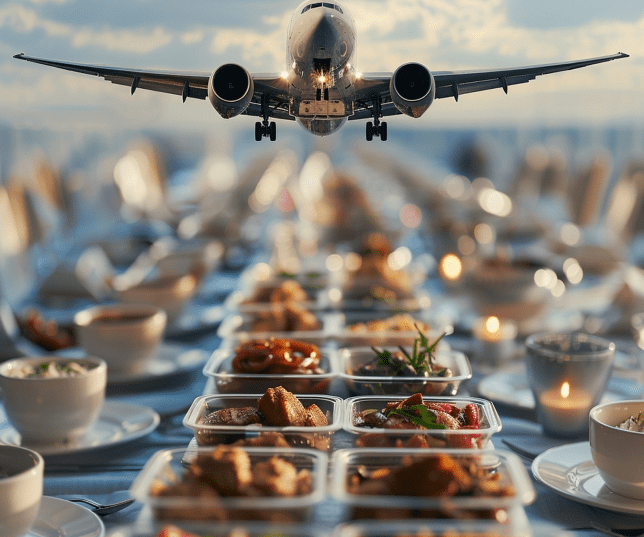
The global aviation industry has evolved far beyond simply transporting passengers from one destination to another. Today, airlines compete on comfort, experience, and service quality—and food plays a crucial role in shaping that experience. As air travel volumes rise and passenger expectations grow, the airport catering service has become a vital component of airline operations worldwide. From economy meals to premium-class dining, airport catering influences customer satisfaction, brand perception, and even airline loyalty.
Understanding Airport Catering Service in Aviation
An airport catering service refers to the specialized process of preparing, storing, and delivering meals and beverages to aircraft before departure. These services are usually managed by professional inflight caterers who operate within strict safety, hygiene, and timing requirements. Meals are designed not only to taste good at cruising altitude but also to meet diverse dietary needs, cultural preferences, and airline standards.
Unlike traditional food services, airport catering operates under unique constraints—limited turnaround time, aviation security regulations, and precise coordination with flight schedules. This complexity is what makes inflight catering such a specialized and essential function within global aviation.
Rising Passenger Expectations Are Driving Demand
Modern travelers expect more than just a seat on a plane. In-flight meals are now viewed as part of the overall travel experience. Passengers compare airlines based on food quality, presentation, variety, and accommodation of dietary preferences such as vegetarian, vegan, halal, gluten-free, and low-calorie options.
As a result, airlines increasingly rely on advanced airport catering service providers to deliver consistent, high-quality meals across routes. In premium cabins, food quality can be a decisive factor in airline selection, making inflight catering a strategic differentiator rather than a basic operational necessity.
Role of Inflight Caterers in Brand Building
Inflight caterers are no longer just food suppliers; they are partners in shaping an airline’s brand identity. Many airlines collaborate with celebrity chefs, nutritionists, and regional cuisine experts through their catering partners to create unique onboard menus.
For example, serving regional dishes on international routes helps airlines showcase cultural authenticity, while luxury plating and gourmet selections enhance premium brand positioning. A well-executed airport catering service directly reflects an airline’s attention to detail and commitment to passenger comfort.
Safety, Hygiene, and Regulatory Compliance
One of the most critical aspects of airport catering service is food safety. Meals must comply with stringent international aviation and food safety regulations. Catering facilities operate under controlled environments with temperature monitoring, traceability systems, and strict quality checks.
Inflight caterers must ensure that meals remain safe from preparation to consumption, sometimes across long storage and transport times. Any lapse in hygiene can lead to serious reputational and financial consequences for airlines, making reliable catering partners indispensable in global aviation.
Operational Efficiency and Time Sensitivity
Airlines operate on tight schedules, and aircraft turnaround time is critical. Airport catering service providers must deliver meals precisely on time to avoid delays. This requires seamless coordination with airline operations, ground handling teams, and airport authorities.
Inflight caterers manage large-scale logistics—planning meals based on passenger counts, cabin class distribution, special meal requests, and flight duration. Their ability to deliver accuracy under pressure directly impacts airline efficiency and on-time performance.
Technology and Innovation in Airport Catering
Technology is transforming the way airport catering service providers operate. Digital inventory management systems, AI-based demand forecasting, and automated food preparation processes are improving efficiency and reducing waste.
Some inflight caterers now use data analytics to track passenger preferences and consumption patterns, allowing airlines to optimize menus and minimize leftover meals. Smart packaging, sustainable materials, and improved cold-chain logistics are also enhancing food quality and safety at altitude.
Sustainability and Environmental Responsibility
Sustainability has become a major focus in global aviation, and airport catering service plays an important role in reducing environmental impact. Catering providers are adopting eco-friendly packaging, minimizing single-use plastics, and implementing food waste reduction programs.
Inflight caterers work closely with airlines to design portion-controlled meals, recycle unused items, and source ingredients responsibly. These initiatives not only support environmental goals but also resonate with eco-conscious travelers who value sustainable travel practices.
Catering for Diverse Global Markets
As aviation connects more regions than ever before, airport catering service providers must adapt to diverse cultural and dietary expectations. A single international airport may serve airlines from dozens of countries, each with unique food requirements.
Inflight caterers employ multicultural culinary teams and flexible menu planning to meet these demands. Whether it’s regional spices, religious dietary laws, or local comfort foods, effective catering ensures that passengers feel understood and valued, regardless of where they are flying.
Impact on Airline Competitiveness
In a highly competitive aviation market, even small service details can influence customer loyalty. Consistent, high-quality inflight meals enhance passenger satisfaction scores and encourage repeat bookings. Airlines that invest in strong airport catering service partnerships often see better brand perception and customer reviews.
For low-cost carriers, efficient catering solutions help control costs while still offering optional onboard food services. For full-service airlines, premium catering supports higher ticket prices and strengthens brand differentiation.
The Future of Airport Catering Service
The importance of airport catering service is set to grow as global air travel continues to recover and expand. Passengers will demand healthier options, personalized meals, and greater transparency about ingredients and sourcing. Inflight caterers will play a key role in meeting these expectations through innovation and collaboration.
Emerging trends such as pre-ordering meals via mobile apps, customizable onboard dining, and enhanced sustainability initiatives will further elevate the role of inflight catering in aviation. As airlines focus on end-to-end passenger experience, airport catering will remain a core pillar of service excellence.
Conclusion
The growing importance of airport catering service in global aviation reflects the industry’s shift toward passenger-centric travel. From safety and efficiency to branding and sustainability, inflight caterers contribute far more than meals—they shape perceptions, influence loyalty, and support airline operations worldwide. As aviation evolves, the role of airport catering service will continue to expand, making it an indispensable element of modern air travel.