
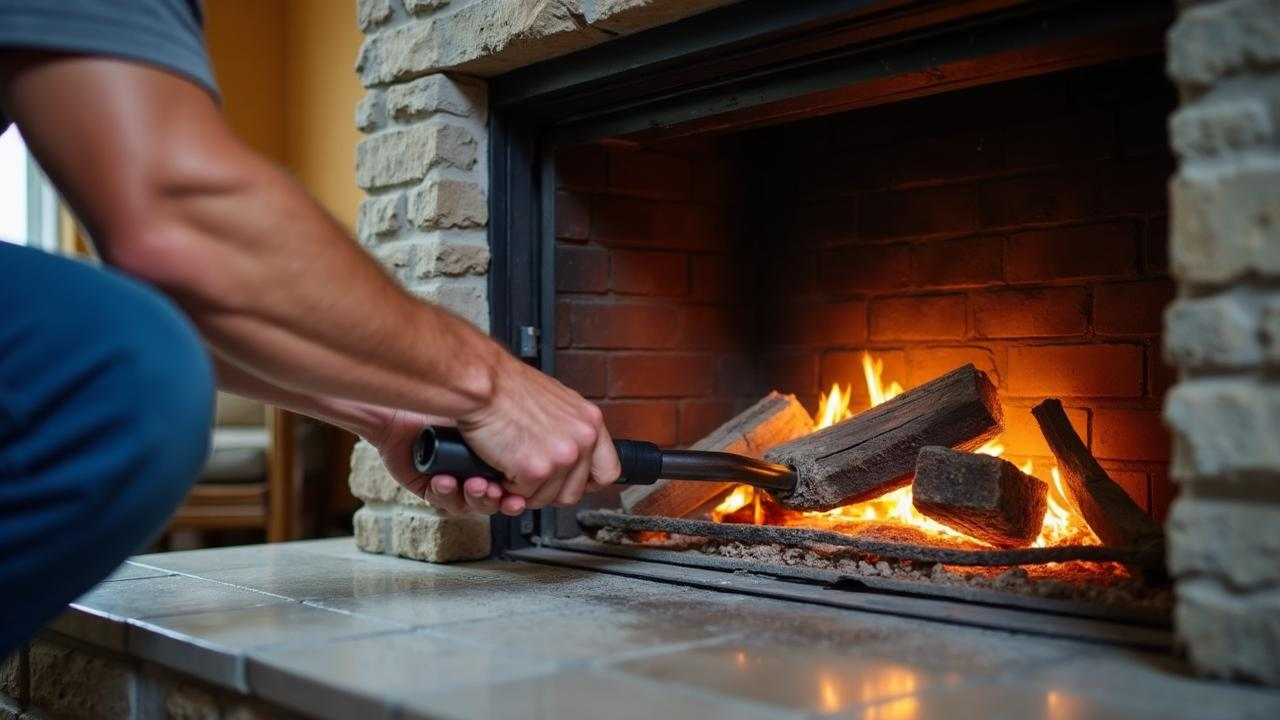
Maintaining a fireplace or wood-burning stove requires more than simply adding logs and enjoying the warmth it provides. One of the most crucial aspects of home safety and efficiency is chimney cleaning, a process that involves removing soot, creosote, and other debris that accumulate over time inside the chimney flue. Regular maintenance not only protects the structural integrity of the chimney but also reduces the risk of house fires, improves airflow, and ensures that the heating system operates at optimal efficiency. Despite the importance of chimney cleaning, many homeowners neglect it, often unaware of the serious hazards posed by blocked or unmaintained chimneys. Understanding the full scope of why and how chimney cleaning should be performed can help property owners maintain a safe, comfortable, and efficient home heating system for years to come.
Understanding the Importance of Chimney Cleaning
At the core of a safe and efficient fireplace system is a clean chimney. Over time, burning wood, coal, or other fuels produces byproducts such as soot and creosote, which gradually accumulate along the inner walls of the flue. Creosote, a highly flammable substance, is particularly dangerous because even a small ignition can lead to a catastrophic chimney fire. Beyond fire hazards, a blocked chimney also hinders the proper ventilation of smoke and gases, which can result in carbon monoxide buildup inside the home, posing severe health risks to residents. By performing regular chimney cleaning, homeowners can eliminate these deposits, reduce fire hazards, and maintain proper airflow, which not only protects the home but also maximizes the efficiency of the heating system. Furthermore, routine cleaning can reveal cracks, gaps, or other structural damage in the chimney, allowing for timely repairs before problems escalate into costly or dangerous situations.
Health and Safety Benefits of Chimney Cleaning
The health and safety benefits of chimney cleaning extend far beyond fire prevention. A chimney that is clogged or filled with creosote and soot restricts the proper ventilation of smoke, resulting in the accumulation of harmful gases inside the living space. Carbon monoxide, a colorless and odorless gas produced during combustion, is especially hazardous and can lead to symptoms ranging from headaches and nausea to severe poisoning and even death. In addition to carbon monoxide, soot and ash particles can contribute to respiratory problems and exacerbate allergies or asthma in sensitive individuals. By ensuring that chimneys are regularly cleaned, homeowners minimize these risks, creating a healthier and safer indoor environment. Professional chimney cleaning services also inspect the flue and the surrounding components to identify potential hazards such as animal nests, water damage, or structural weaknesses, further enhancing home safety.
Enhancing Heating Efficiency Through Chimney Cleaning
In addition to safety and health benefits, chimney cleaning plays a critical role in improving the overall efficiency of a fireplace or wood stove. When soot and creosote accumulate along the flue, they create resistance that hinders the proper flow of smoke and hot air. This restriction not only reduces the amount of heat delivered into the living space but also forces the heating appliance to work harder to maintain desired temperatures. Over time, inefficient operation can lead to increased fuel consumption, higher energy costs, and unnecessary strain on the fireplace system. By removing blockages and buildup, chimney cleaning ensures that air flows smoothly, fires burn efficiently, and energy usage is optimized. Homeowners will notice a more consistent heat output, faster fire ignition, and overall improved performance of their heating system, making routine chimney maintenance both a practical and economically beneficial investment.
Long-Term Preservation of the Chimney Structure
Another critical aspect of chimney cleaning is its role in preserving the structural integrity of the chimney. Creosote and soot are acidic in nature, and when combined with moisture, they can gradually erode bricks, mortar, and other materials used in chimney construction. Over time, this can lead to cracks, leaks, and even structural collapse if left unaddressed. Regular cleaning not only removes these harmful deposits but also allows for thorough inspections of the flue liner, chimney cap, and surrounding masonry. Identifying and repairing minor issues early prevents expensive repairs and extends the lifespan of the chimney. In addition, a well-maintained chimney is less likely to suffer from water penetration or frost damage, which are common causes of long-term deterioration in colder climates. By prioritizing chimney cleaning, homeowners can safeguard their investment and avoid extensive damage that could compromise both safety and functionality.
Professional Chimney Cleaning vs. DIY Approaches
While some homeowners may attempt chimney cleaning on their own, hiring a trained professional is strongly recommended for safety, thoroughness, and efficiency. Professional chimney sweeps possess specialized tools and expertise that allow them to access difficult-to-reach areas, remove stubborn creosote deposits, and inspect the chimney for hidden hazards. They are trained to detect subtle signs of structural damage, blockages, or animal infestations that might go unnoticed by an untrained eye. Additionally, professional services typically adhere to industry standards and safety protocols, ensuring that the chimney is cleaned thoroughly without causing damage to the flue or surrounding structures. Although DIY cleaning kits are available, they often fail to address deep creosote buildup, hidden obstructions, or structural issues, which can result in incomplete maintenance and continued safety risks. Therefore, entrusting chimney cleaning to a professional ensures both effectiveness and peace of mind for homeowners.
Frequency and Timing of Chimney Cleaning
Determining how often chimney cleaning should be performed depends on several factors, including the type of fuel used, the frequency of fireplace use, and the condition of the chimney. In general, for homes with moderate fireplace use, an annual cleaning is recommended. However, chimneys that are heavily used, burn wood with high resin content, or show signs of excessive soot or creosote buildup may require more frequent maintenance. Seasonal considerations also play a role, as cleaning a chimney before the onset of winter ensures optimal performance and safety when the heating system is used most heavily. Regular inspections, combined with timely cleaning, help prevent problems before they escalate and ensure that the chimney remains safe, efficient, and structurally sound throughout the year.
Environmental Considerations and Chimney Cleaning
Regular chimney cleaning not only protects the home and its occupants but also contributes to environmental responsibility. A clean chimney allows for more complete combustion of fuel, reducing the emission of harmful particulates, smoke, and pollutants into the atmosphere. Inefficient or blocked chimneys produce more smoke and release higher concentrations of pollutants, contributing to indoor air quality issues and outdoor air pollution. By maintaining a clean flue, homeowners can ensure that their fireplace operates more efficiently and produces fewer emissions, which benefits both the household and the environment. Additionally, some professional chimney cleaning services include environmentally safe disposal of soot, ash, and debris, further promoting responsible home maintenance practices.
Conclusion
Chimney cleaning is a critical component of home safety, efficiency, and longevity. From reducing the risk of fire and carbon monoxide exposure to improving heating performance and preserving structural integrity, regular maintenance of the chimney provides numerous benefits that directly impact both the safety and comfort of a household. Professional chimney cleaning services offer expertise, specialized tools, and thorough inspections that ensure the chimney operates safely and efficiently while identifying potential issues before they escalate. By adhering to recommended cleaning schedules, investing in professional services, and prioritizing the health and safety of the home, homeowners can enjoy a functional, efficient, and safe fireplace system for many years. The investment in regular chimney cleaning not only protects lives and property but also enhances energy efficiency, preserves structural integrity, and promotes a cleaner, healthier indoor environment, making it an essential practice for any home with a fireplace or wood-burning stove.
