
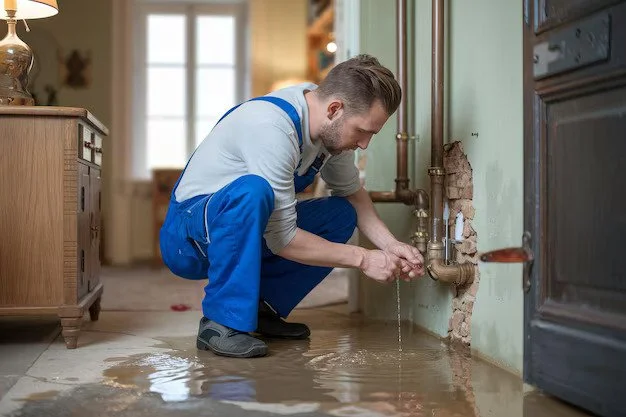
Water leaks are one of the most common yet damaging issues in residential, commercial, and industrial properties. A small hidden leak can waste significant amounts of water, increase monthly bills, weaken building structures, and create conditions for mold growth. The most challenging part of handling a leak is often finding its exact source without causing unnecessary damage to walls, floors, or landscaping.
This is where a water leak locator becomes extremely valuable. A professional water leak locator helps detect leaks accurately, reduces repair costs, and prevents long-term structural damage. In this detailed guide, you will learn how leak locators work, why they are important, how to choose the right one, and how to use them effectively.
What Is a Water Leak Locator?
A water leak locator is a specialized device used to find hidden leaks in plumbing systems, underground pipes, irrigation lines, and building structures. Instead of guessing or breaking large areas to search for leaks, these tools use advanced detection methods to pinpoint the problem precisely.
Leaks can occur behind walls, under concrete slabs, beneath lawns, or inside ceilings. Without proper detection tools, locating them can be time-consuming and expensive. Using professional detection equipment such as a water leak locator allows technicians to identify the precise source of a leak and perform targeted repairs, saving both time and money.
Why Leak Detection Matters
Early leak detection offers several important benefits for property owners and facility managers.
First, it reduces water waste. Even a small leak can waste thousands of liters over time, significantly increasing utility bills. A reliable water leak locator can help identify these issues before they become costly.
Second, early detection protects structural integrity. Continuous water exposure weakens foundations, damages drywall, rots wooden structures, and deteriorates insulation. If left untreated, minor leaks can lead to extensive renovations.
Third, it prevents health risks. Moist environments create the perfect conditions for mold and mildew growth, which can lead to respiratory problems and allergies for occupants.
Finally, early detection minimizes repair costs. Repairing a small crack or loose fitting is far less expensive than replacing entire sections of flooring, drywall, or foundation materials.
Common Causes of Water Leaks
Understanding why leaks occur is an important step in preventing them.
One of the most common causes is aging plumbing systems. Over time, pipes corrode, joints weaken, and materials degrade due to constant exposure to water pressure and environmental conditions.
Improper installation is another frequent issue. Pipes that are poorly fitted or inadequately sealed may develop leaks shortly after installation or during the early stages of use.
High water pressure can also cause pipe damage. Excessive pressure stresses fittings and connectors, increasing the likelihood of cracks and small leaks that require detection with a water leak locator.
Tree root intrusion is another common problem in underground pipelines. Roots naturally seek moisture and can penetrate tiny openings in pipes, gradually expanding them into larger leaks.
Temperature changes, particularly freezing conditions, can cause pipes to expand and crack. External damage caused by construction work or heavy equipment may also lead to hidden leaks beneath soil or flooring.
Types of Leak Detection Technology
Modern leak detection tools use several advanced technologies to identify leaks with precision. Many professional technicians rely on specialized equipment, including a water leak locator, to improve accuracy and efficiency.
Acoustic Detection
Acoustic detection devices listen for the sound of water escaping from pipes. Pressurized leaks produce unique vibrations that travel through pipes and surrounding materials. Technicians use sensitive microphones and listening devices to detect these sounds and locate the source.
Thermal Imaging
Thermal imaging cameras detect temperature differences caused by moisture. Water retains and distributes heat differently than dry materials, so infrared cameras can reveal damp areas hidden behind walls, ceilings, or floors.
Electronic Sensors
Electronic leak detection systems measure changes in pressure, water flow, or moisture levels. These systems are commonly used in commercial buildings and industrial facilities where continuous monitoring is necessary.
Ground-Penetrating Radar
Ground-penetrating radar is particularly useful for locating underground leaks. The technology sends signals into the ground and identifies anomalies that indicate water accumulation beneath the surface.
Many professionals combine multiple detection techniques along with a water leak locator to achieve the most accurate results.
How to Use a Water Leak Locator
Using a water leak locator effectively requires a structured and careful approach.
The process usually begins with a visual inspection. Look for wet spots, water stains, mold growth, unusual plant growth, or pooling water around the property. Listening for dripping or hissing sounds may also help identify potential leak areas.
Next, isolate the suspected section of the plumbing system. Turning off unnecessary water sources reduces background noise and helps detection equipment perform more accurately. Conducting a pressure test may confirm whether water loss is occurring in a specific pipeline section.
Once the area is identified, the water leak locator can be used according to the manufacturer’s instructions. Move the device slowly along pipes, floors, walls, or ground surfaces while monitoring signal strength or sensor readings.
Mark locations where readings are strongest, as these typically indicate the leak source. After identifying the exact point, targeted repairs can be performed without unnecessary demolition or excavation.
After completing repairs, the system should be tested again using the water leak locator to confirm that the leak has been successfully resolved.
Choosing the Right Leak Locator
Selecting the right leak detection equipment depends on your specific needs, property size, and budget.
Accuracy is the most important factor when choosing a water leak locator. High-sensitivity devices are capable of detecting even small leaks that may otherwise go unnoticed.
For homeowners, simple handheld leak detection devices may be sufficient for occasional inspections. Professional plumbers and technicians often require advanced systems with enhanced sensors, data logging capabilities, and diagnostic software.
Portability is another important consideration. Lightweight models are easier to use in residential settings or tight spaces. Larger systems may be more suitable for industrial or large-scale commercial applications.
Durability also matters, particularly if the equipment will be used frequently or in demanding environments. Investing in a high-quality water leak locator ensures reliability and long-term performance.
Benefits of Early Leak Detection
Early detection of water leaks offers several financial and environmental benefits.
Lower water bills are often the most noticeable advantage. Detecting leaks quickly prevents excessive water consumption and unnecessary utility costs.
Preventing structural damage is another significant benefit. Early repairs protect walls, floors, foundations, and landscaping from costly deterioration.
Energy efficiency can also improve. Pumps, water heaters, and other plumbing equipment operate more efficiently when there are no leaks in the system.
In commercial environments, early leak detection prevents operational disruptions and protects property value.
Environmentally, reducing water waste contributes to conservation efforts and supports responsible resource management.
Preventing Future Leaks
While detection tools are essential, prevention remains the most effective strategy for managing water leaks.
Regular inspections of plumbing systems help identify early signs of wear and potential failures. Monitoring water pressure levels can also prevent excessive strain on pipes and fittings.
Installing pressure regulators is a simple yet effective way to protect plumbing systems from damage caused by high water pressure.
Proper insulation of pipes can prevent freezing and cracking during colder months. Using high-quality piping materials and fittings also improves long-term system durability.
Routine maintenance and periodic inspections using a water leak locator help identify minor issues before they escalate into major repairs.
The Future of Leak Detection Technology
Leak detection technology continues to evolve rapidly. Modern systems are becoming smarter, more automated, and easier to use.
Smart sensors can now monitor water flow continuously and send alerts when unusual activity is detected. Wireless monitoring systems allow property owners to track water usage remotely using mobile applications.
Artificial intelligence and advanced data analysis are also being integrated into modern leak detection systems. These technologies can analyze historical water usage patterns and predict potential pipe failures before they occur.
As these innovations develop further, tools like the water leak locator will become even more precise, helping property owners detect leaks faster and maintain more efficient water systems.
Conclusion
Water leaks may start as small problems, but they can quickly escalate into major structural and financial issues if left unresolved. From higher utility bills to property damage and health risks, hidden leaks pose serious challenges for homeowners and businesses alike.
Using a reliable water leak locator allows property owners and technicians to detect leaks accurately without unnecessary damage to buildings or landscapes. Early detection reduces repair costs, conserves water, and protects valuable infrastructure.
By combining modern leak detection technology, regular maintenance, and proactive monitoring, it is possible to maintain efficient plumbing systems and prevent costly damage in the future. Investing in the right tools and adopting responsible water management practices ensures long-term protection for both property and the environment.
