
Introduction
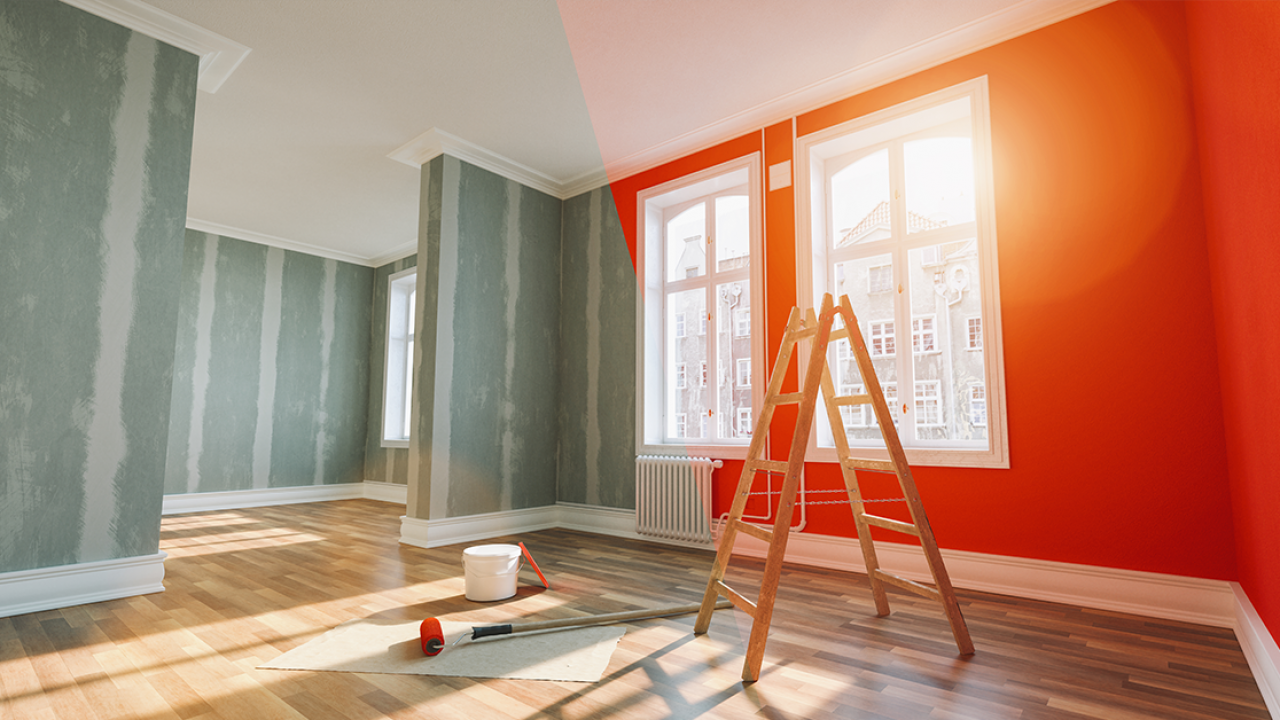
A home is more than just a place to live; it represents comfort, personality, and a reflection of the people who live inside it. Over time, however, walls begin to fade, surfaces collect stains, and the overall appearance of a home can start to feel dull or outdated. One of the most effective ways to refresh and transform a living space is through residential painting. A professionally planned and executed paint job has the power to dramatically change the look and feel of any home while also protecting its structure from environmental damage and everyday wear. Homeowners often underestimate the impact that a fresh coat of paint can make, but painting remains one of the most affordable and practical home improvement projects available. Whether the goal is to modernize the interior design, protect exterior surfaces, or increase property value, painting plays a vital role in maintaining and enhancing the beauty of a home.
Understanding the Importance of Residential Painting
Painting is not only about changing colors on walls; it serves multiple important purposes that contribute to the overall condition and value of a property. First and foremost, painting improves the visual appeal of a home by giving it a fresh, clean, and updated appearance. When walls look well maintained, the entire home feels more welcoming and comfortable for both residents and guests. Another major benefit of residential painting is protection. Paint acts as a protective barrier that shields surfaces from moisture, dust, sunlight, and everyday damage. Exterior paint, in particular, helps protect building materials such as wood, stucco, and siding from harsh weather conditions that can cause deterioration over time. Painting also plays a role in maintaining property value. Homes that are regularly painted tend to look better maintained, which can be a significant advantage if the homeowner ever decides to sell the property. Potential buyers are often more attracted to homes that appear clean, modern, and well cared for.
Planning a Residential Painting Project
Before beginning a painting project, proper planning is essential to ensure a successful outcome. Many homeowners make the mistake of rushing into painting without preparing adequately, which can lead to uneven finishes, peeling paint, or wasted materials. Planning starts with assessing the condition of the surfaces that will be painted. Walls, ceilings, and exterior areas should be carefully inspected for cracks, peeling paint, water stains, or other damage. Identifying these issues early allows them to be repaired before painting begins. Another important part of planning is selecting the right colors. Colors influence the mood and atmosphere of a space, so choosing the right shades can dramatically improve the overall design of a home. Light colors can make rooms appear larger and brighter, while darker tones can create a sense of warmth and sophistication. Neutral colors are often popular choices because they complement many styles of furniture and décor. When homeowners take time to carefully plan their residential painting project, they increase the chances of achieving professional-looking results that last for many years.
Preparing Surfaces for Painting
Preparation is one of the most important stages of any painting project. Even the highest quality paint cannot perform properly if the surface underneath is not prepared correctly. The first step in preparation is cleaning the surfaces. Dust, grease, and dirt can prevent paint from adhering properly, so walls should be washed with mild cleaning solutions and allowed to dry completely. For exterior surfaces, power washing may be necessary to remove accumulated grime and mildew. After cleaning, any cracks, dents, or holes must be repaired using appropriate fillers or patching compounds. Once the repairs are completed, the surfaces should be sanded to create a smooth and even base for the paint. Sanding helps remove rough spots and ensures that the new paint will adhere properly. Another critical step is applying primer. Primer creates a uniform surface, improves paint adhesion, and helps the final color appear more vibrant and consistent. Proper preparation ensures that the residential painting project will result in a durable and professional finish.
Choosing the Right Paint and Finish
Selecting the right paint is just as important as preparing the surfaces. Paints are available in different types and finishes, and each one is designed for specific uses. Interior paints are typically formulated to provide smooth coverage and easy cleaning, while exterior paints are designed to withstand weather conditions such as sunlight, rain, and temperature changes. Paint finishes also vary in their appearance and durability. Flat or matte finishes have very little shine and are often used for ceilings or low-traffic areas because they help hide surface imperfections. Eggshell and satin finishes offer a slight sheen and are easier to clean, making them suitable for living rooms, bedrooms, and hallways. Semi-gloss and gloss finishes are more durable and moisture resistant, which makes them ideal for kitchens, bathrooms, doors, and trim. Choosing the appropriate paint and finish is an essential part of a successful residential painting project because it ensures that each area of the home receives the protection and appearance it needs.
Interior Painting Techniques
Achieving a smooth and professional interior paint finish requires proper techniques and attention to detail. One common method used by professional painters is known as cutting in, which involves carefully painting the edges of walls near ceilings, corners, and trim using a brush. This technique ensures clean lines and prevents paint from spreading onto unwanted areas. After cutting in the edges, rollers are used to cover the larger wall surfaces. Rollers allow paint to be applied quickly and evenly, reducing streaks and brush marks. Professional painters often work in sections, applying paint in patterns that help distribute the color evenly before smoothing it out. Applying multiple coats is also an important step in interior painting. Most painting projects require at least two coats to achieve full coverage and rich color depth. Allowing sufficient drying time between coats ensures that the paint cures properly and produces a smooth finish. When these techniques are applied correctly, the results of residential painting can significantly enhance the beauty and comfort of a home’s interior spaces.
Exterior Painting Considerations
Exterior painting requires additional care because outside surfaces are constantly exposed to environmental conditions. Weather plays a significant role in the success of an exterior painting project. Extremely hot temperatures, humidity, or rain can interfere with paint adhesion and drying times, so painting should be done during mild and dry weather conditions whenever possible. Different exterior materials also require different approaches. Wooden surfaces may need sealing and priming to prevent moisture from penetrating the material. Brick and masonry surfaces often require specialized paints that allow the material to breathe while still providing protection. Stucco surfaces need flexible coatings that can expand and contract with temperature changes. Proper preparation and product selection are essential for exterior painting because they determine how well the paint will protect the home over time. Professional residential painting services often include thorough inspections to determine the best methods and materials for each type of surface.
Benefits of Professional Residential Painting Services
Although many homeowners consider painting to be a do-it-yourself project, hiring professional painters offers several advantages. Professional painters have the experience and skills necessary to achieve high-quality results that may be difficult for inexperienced individuals to replicate. They understand proper preparation techniques, paint application methods, and safety procedures. Another benefit of hiring professionals is efficiency. Painting an entire home can take a considerable amount of time, especially for people who are not familiar with the process. Professional painters are able to complete projects more quickly while maintaining consistent quality. Safety is also an important factor, particularly for exterior painting that requires working on ladders or scaffolding. Professionals are trained to handle these situations safely and effectively. Because of these advantages, many homeowners choose professional residential painting services to ensure that their homes receive a durable and visually appealing finish.
Maintaining Painted Surfaces for Long-Lasting Results
Once a painting project is completed, proper maintenance helps extend the life of the paint and preserve the appearance of the home. Interior walls should be cleaned periodically to remove dust and stains. Gentle cleaning solutions and soft cloths are usually sufficient to keep walls looking fresh. Exterior surfaces should also be inspected regularly for signs of peeling, cracking, or fading. Addressing minor issues early can prevent more extensive damage and reduce the need for frequent repainting. Keeping gutters clean and ensuring proper drainage can also help protect exterior paint from water damage. Regular maintenance ensures that the results of residential painting continue to enhance the home for many years.
Common Mistakes to Avoid in Painting Projects
Many painting problems occur because of common mistakes that can easily be avoided. One of the most frequent errors is skipping surface preparation. Without proper cleaning, repairing, and priming, paint may peel or fail to adhere correctly. Another mistake is using low-quality paint, which often requires more coats and fades more quickly over time. Applying paint too thickly can also lead to drips and uneven finishes, while rushing between coats can prevent proper drying and curing. By taking time to follow the correct steps and using the right materials, homeowners can avoid these issues and achieve better results.
Conclusion
Painting is one of the most effective ways to transform and protect a home. A well-planned and properly executed painting project can refresh living spaces, improve curb appeal, and extend the life of building materials. From choosing colors and preparing surfaces to applying paint with the correct techniques, every step contributes to the final outcome. Homeowners who invest time in planning and preparation are more likely to enjoy beautiful and long-lasting results. Whether the project involves updating interior rooms or protecting exterior surfaces, residential painting remains a valuable home improvement solution that enhances both the appearance and durability of a property.
