
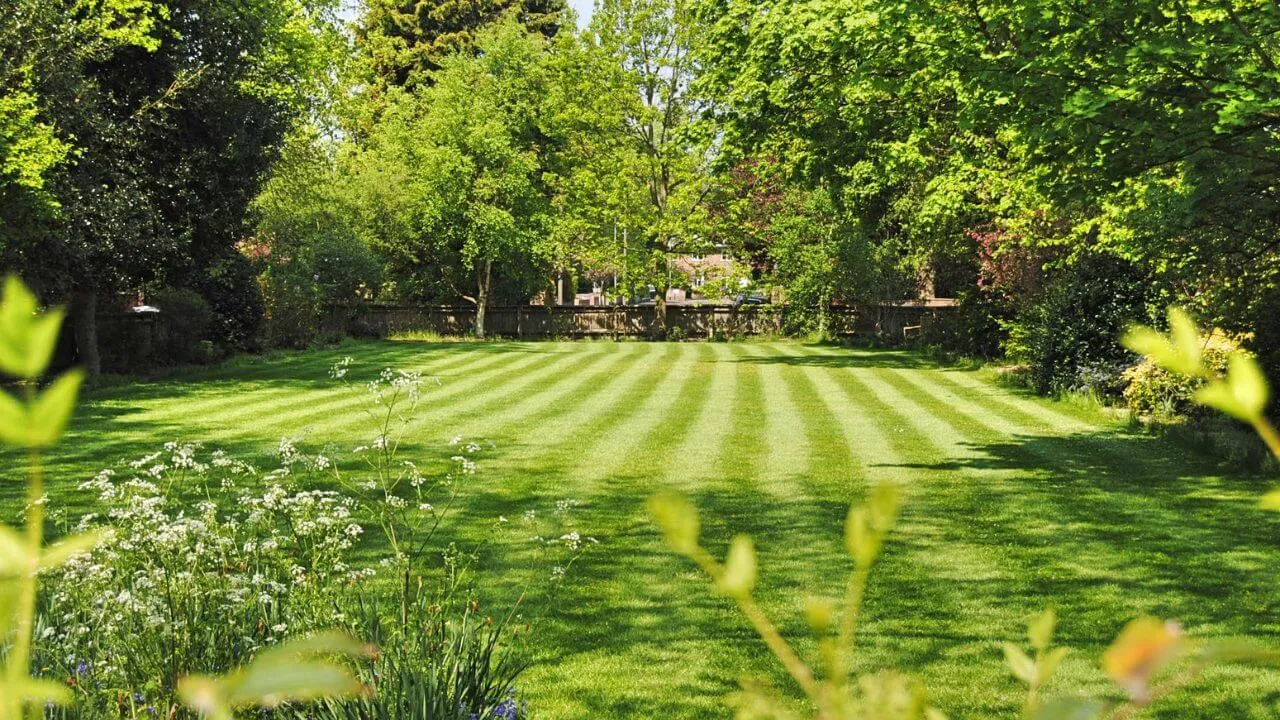
A well-maintained lawn is more than just an attractive outdoor feature; it is a living ecosystem that enhances curb appeal, increases property value, and provides a functional space for recreation and relaxation. Proper lawn care requires a thoughtful combination of knowledge, consistency, and the right techniques to ensure grass remains healthy throughout changing seasons. From soil preparation and mowing practices to fertilization and pest management, each aspect of lawn maintenance plays a crucial role in cultivating a lush and resilient landscape. Understanding the science behind grass growth and environmental influences allows homeowners and property managers to make informed decisions that support long-term health and sustainability.
Understanding the Foundations of Lawn Care
Effective lawn care begins with understanding that grass is a living plant system requiring adequate sunlight, water, nutrients, and oxygen. Healthy turf depends largely on soil quality, which provides the nutrients and structural support necessary for root development. Soil composition varies widely, ranging from sandy to clay-heavy textures, and each type presents unique challenges. Sandy soils drain quickly but may struggle to retain nutrients, while clay soils retain moisture but can become compacted, restricting root growth and airflow. Conducting a soil test is often the first step in improving lawn care practices, as it reveals pH levels and nutrient deficiencies that need correction.
Grass species selection is another foundational element. Cool-season grasses thrive in moderate climates with cold winters, while warm-season grasses perform better in regions with hot summers. Choosing the appropriate grass type ensures stronger growth patterns and reduces the need for excessive maintenance. Proper planning at this stage supports a sustainable lawn care routine that aligns with environmental conditions rather than working against them.
Proper Mowing Techniques and Their Impact
Mowing is one of the most frequent lawn care activities, yet it is often performed incorrectly. Cutting grass too short, a practice known as scalping, weakens the plant by reducing its ability to photosynthesize effectively. Maintaining the correct mowing height encourages deeper root growth, improves drought resistance, and naturally suppresses weeds by shading the soil surface. As a general rule, no more than one-third of the grass blade should be removed during a single mowing session.
Sharp mower blades are equally important. Dull blades tear rather than cut grass, leaving jagged edges that are more susceptible to disease and moisture loss. Regular blade maintenance contributes significantly to overall lawn health. Additionally, leaving grass clippings on the lawn—a practice known as grasscycling—returns valuable nutrients to the soil, reducing the need for synthetic fertilizers and supporting sustainable lawn care practices.
Watering Strategies for Healthy Turf
Water management is a critical component of effective lawn care. Both overwatering and underwatering can harm grass and create favorable conditions for disease. Deep, infrequent watering encourages roots to grow deeper into the soil, enhancing drought tolerance and overall resilience. In contrast, shallow, frequent watering leads to weak root systems that struggle during dry periods.
The best time to water is typically early in the morning, allowing moisture to soak into the soil before evaporation increases during midday heat. Watering in the evening may leave grass blades damp overnight, increasing the risk of fungal growth. Monitoring rainfall and adjusting irrigation schedules accordingly ensures that lawns receive adequate hydration without waste. Efficient watering not only promotes healthy growth but also conserves valuable water resources.
Fertilization and Nutrient Management
Fertilization provides essential nutrients that grass requires for vigorous growth and vibrant color. Nitrogen, phosphorus, and potassium are the primary macronutrients involved in lawn care. Nitrogen supports leaf development and green coloration, phosphorus promotes root growth, and potassium enhances stress tolerance and disease resistance. Applying the correct type and amount of fertilizer at appropriate times of the year is essential to prevent nutrient runoff, environmental harm, and excessive growth that requires frequent mowing.
Seasonal fertilization schedules vary depending on grass type. Cool-season grasses benefit from fertilization in early spring and fall, while warm-season grasses respond best during late spring and summer. Slow-release fertilizers provide consistent nutrient delivery over time, reducing the risk of burning grass or causing rapid growth spurts. Balanced nutrient management strengthens turf density, making lawns more resistant to weeds and pests.
Weed Control and Prevention
Weeds compete with grass for sunlight, nutrients, and water, often thriving in weakened or poorly maintained lawns. Effective lawn care emphasizes prevention rather than reactive treatment. Maintaining proper mowing height, consistent fertilization, and adequate watering creates dense turf that naturally crowds out weed growth. Healthy grass is the first line of defense against invasive species.
When weeds do appear, targeted treatments are often more effective than broad, indiscriminate herbicide application. Pre-emergent herbicides prevent weed seeds from germinating, while post-emergent treatments address existing growth. Organic weed control methods, such as manual removal and natural herbicides, provide environmentally friendly alternatives for homeowners seeking sustainable solutions. Integrated weed management ensures that lawn care practices remain balanced and environmentally responsible.
Aeration and Soil Health
Over time, soil compaction can restrict airflow, water infiltration, and nutrient absorption, leading to weakened turf. Aeration is a process that involves removing small cores of soil to alleviate compaction and improve root access to essential resources. This practice enhances overall lawn care by promoting deeper root growth and improved soil structure.
Aeration is typically performed during the active growing season for the specific grass type, ensuring rapid recovery and optimal results. Following aeration, overseeding can further improve turf density by filling in thin or bare areas. Combining aeration with proper fertilization maximizes nutrient uptake and strengthens the lawn’s resilience against environmental stress.
Pest and Disease Management
Lawn pests and diseases can undermine even the most diligent lawn care routines. Common issues include grubs, chinch bugs, fungal infections, and brown patch disease. Early detection is critical to preventing widespread damage. Symptoms such as discoloration, thinning grass, or unusual patterns often indicate underlying problems that require prompt attention.
Integrated pest management strategies focus on prevention, monitoring, and targeted treatment rather than excessive chemical use. Maintaining healthy soil, proper watering practices, and balanced fertilization reduces vulnerability to pests and disease. When intervention is necessary, selecting appropriate treatments and applying them responsibly minimizes environmental impact while restoring turf health.
Seasonal Lawn Care Considerations
Lawn care practices must adapt to seasonal changes to ensure year-round vitality. In spring, focus on clearing debris, applying pre-emergent weed control, and initiating fertilization schedules. Summer requires careful watering management and monitoring for heat stress or pest activity. Fall is an ideal time for aeration, overseeding, and strengthening root systems before winter dormancy. Winter preparation may involve adjusting mowing height and protecting grass from heavy foot traffic or snow mold.
Understanding seasonal transitions allows homeowners to anticipate challenges and implement proactive strategies. Consistency throughout the year creates a strong foundation that supports healthy growth during peak seasons.
Sustainable Lawn Care Practices
Sustainability has become an increasingly important aspect of modern lawn care. Environmentally responsible practices reduce chemical usage, conserve water, and promote biodiversity. Using organic fertilizers, composting yard waste, planting native grasses, and incorporating drought-tolerant species all contribute to a more sustainable landscape.
Reducing reliance on synthetic chemicals not only benefits the environment but also enhances soil health over time. Healthy soil ecosystems support beneficial microorganisms that improve nutrient availability and root development. Sustainable lawn care practices align aesthetic goals with environmental stewardship, creating landscapes that are both beautiful and ecologically balanced.
The Long-Term Value of Proper Lawn Care
Investing time and effort into comprehensive lawn care yields significant long-term benefits. A well-maintained lawn enhances curb appeal, increases property value, and provides a safe and inviting space for outdoor activities. Healthy turf also contributes to environmental benefits such as reducing soil erosion, improving air quality, and moderating ground temperatures.
Consistency is key to achieving lasting results. Regular maintenance, thoughtful planning, and attention to detail create a lawn that remains resilient through changing weather conditions and environmental challenges. By combining proper mowing, watering, fertilization, aeration, and pest management techniques, homeowners can cultivate landscapes that reflect both beauty and functionality.
Conclusion
Lawn care is a dynamic and ongoing process that requires understanding, patience, and strategic planning. From soil preparation and grass selection to seasonal maintenance and sustainable practices, every aspect plays a role in creating a vibrant and resilient outdoor space. By implementing consistent, informed lawn care techniques, homeowners can achieve a lush, healthy lawn that enhances property value, supports environmental health, and provides lasting enjoyment. A proactive approach not only prevents common issues but also ensures that the lawn remains strong and visually appealing throughout the year, making lawn care a worthwhile investment in both aesthetics and long-term sustainability.
