
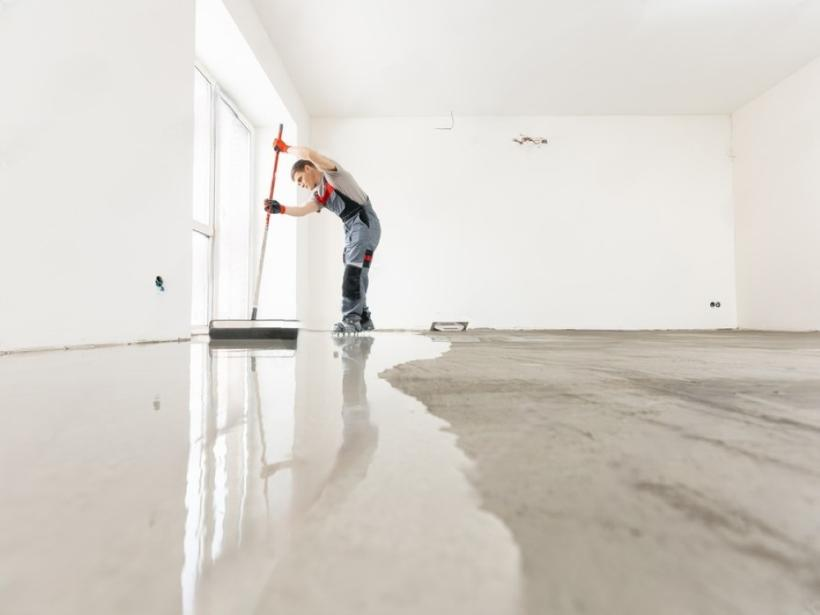
When it comes to selecting the ideal flooring for any property, balancing durability, aesthetics, functionality, and cost is often the primary concern. Epoxy flooring has emerged as a popular solution for residential, commercial, and industrial spaces due to its remarkable combination of strength, visual appeal, and long-term performance. Unlike traditional flooring materials, epoxy provides a seamless surface that not only enhances the overall look of a space but also protects the underlying substrate from damage caused by wear, chemicals, moisture, and heavy traffic. Over time, property owners have increasingly recognized the unique advantages of epoxy flooring, as it offers a practical and cost-effective approach to maintaining a floor that looks pristine for years. Whether applied in a busy industrial environment or a stylish residential setting, epoxy provides a versatile solution that meets a wide range of requirements, making it an investment that pays off both in longevity and aesthetics.
Understanding Epoxy Flooring
To fully appreciate the benefits of epoxy flooring, it is essential to understand what it is and how it works. Epoxy flooring is created through the combination of a resin and a hardener, which, when mixed, undergo a chemical reaction that forms a strong, durable, and rigid surface. This reaction produces a highly adhesive layer that bonds directly to the existing floor, usually concrete, but it can also be applied to other types of surfaces such as wood or tile. The resulting finish is seamless and non-porous, creating a protective barrier that is resistant to many of the common problems associated with other flooring options, such as cracking, chipping, or staining. One of the key advantages of epoxy is its flexibility in design. The surface can be customized with a wide range of colors, textures, and finishes, including metallic effects, decorative flakes, and marble-like patterns. This makes epoxy flooring not only functional but also a medium for creative expression, allowing property owners to tailor their flooring to match the aesthetics of any space.
Exceptional Durability and Longevity
A defining feature of epoxy flooring is its remarkable durability, which is one of the reasons it is widely favored in both industrial and residential applications. Unlike conventional flooring materials such as vinyl or wood, epoxy can withstand extreme wear and tear, including heavy foot traffic, machinery, and vehicle loads, without showing signs of deterioration. The hard, chemical-resistant surface also protects the floor from staining, scratching, and impact damage, which ensures that it maintains its appearance and structural integrity for years. In industrial settings, epoxy is often chosen for warehouses, factories, and laboratories because it can endure repeated exposure to harsh conditions, including chemical spills, oil leaks, and mechanical abrasion. For residential properties, the durability of epoxy makes it ideal for areas such as garages, kitchens, and basements, where floors are subjected to regular use and potential damage. Moreover, epoxy floors require far less frequent replacement than traditional flooring, which can translate into significant long-term savings for both homeowners and businesses. The combination of strength, resilience, and longevity positions epoxy flooring as a cost-effective solution for spaces that demand a durable and reliable surface.
Low Maintenance and Easy Cleaning
One of the most practical benefits of epoxy flooring is the ease with which it can be maintained. Unlike carpets, hardwood, or tiles, which often require specialized cleaning methods and constant upkeep, epoxy provides a smooth, non-porous surface that prevents dirt, dust, liquids, and debris from penetrating the floor. Regular maintenance typically involves simple sweeping or mopping with mild cleaning agents, and even stubborn stains or spills can be easily removed without damaging the floor. This property makes epoxy flooring particularly advantageous in commercial spaces, industrial facilities, or high-traffic areas where cleanliness is a priority. In addition to making routine cleaning easier, the non-porous nature of epoxy prevents moisture absorption, which helps reduce the risk of mold, mildew, and bacterial growth. This characteristic is especially important in environments such as kitchens, hospitals, and laboratories, where hygiene and safety standards must be strictly maintained. By minimizing the time, effort, and costs associated with floor maintenance, epoxy flooring provides a practical solution for property owners seeking both functionality and cleanliness.
Versatile Aesthetic Options
In addition to its functional benefits, epoxy flooring offers unmatched versatility in design and appearance. Property owners can select from a wide range of colors, textures, and finishes to create floors that reflect their personal style or brand identity. Epoxy coatings can be polished to a high-gloss finish for a sleek, modern look or customized with decorative flakes, metallic pigments, or marble-like patterns to add depth and visual interest. The reflective properties of epoxy flooring can also enhance natural and artificial lighting, making spaces feel brighter and more spacious. This makes it an ideal choice not only for residential interiors but also for showrooms, retail spaces, and commercial establishments where visual appeal is crucial. The ability to integrate patterns, colors, and textures allows designers and homeowners to create distinctive environments that balance aesthetics with practicality. By combining functionality with beauty, epoxy flooring demonstrates that durable surfaces do not have to compromise on style or elegance.
Chemical and Water Resistance
Another significant advantage of epoxy flooring is its exceptional resistance to chemicals and water. In industrial and commercial settings, floors are often exposed to oils, solvents, acids, and other chemicals that can damage ordinary flooring. Epoxy coatings form a chemical-resistant barrier that protects the underlying surface and extends the floor’s lifespan. Similarly, epoxy is highly resistant to water and moisture, making it ideal for areas such as kitchens, bathrooms, basements, or outdoor covered spaces. The waterproof properties of epoxy prevent seepage and moisture damage, which can lead to structural deterioration, mold, and mildew over time. This resistance to liquids and chemicals makes epoxy flooring a practical solution for environments where spills, humidity, and exposure to corrosive substances are common. Its durability under these conditions also reduces the need for repairs or replacement, further enhancing its cost-effectiveness.
Safety and Slip Resistance
Safety is a critical consideration in any property, and epoxy flooring can be customized to meet specific safety requirements. Slip-resistant additives can be incorporated into the epoxy coating to provide extra traction, reducing the risk of accidents in areas where floors may become wet or oily. This is particularly valuable in industrial facilities, laboratories, commercial kitchens, and healthcare settings where slippery surfaces can pose a significant hazard. Additionally, epoxy floors can be formulated with antimicrobial properties to prevent the growth of bacteria, mold, and other harmful microorganisms, supporting a hygienic and safe environment. By combining slip resistance, durability, and hygiene, epoxy flooring addresses multiple safety concerns in a single, comprehensive solution, making it a preferred choice for both commercial and residential applications.
Residential Applications of Epoxy Flooring
While often associated with commercial and industrial use, epoxy flooring is increasingly popular in residential settings. Homeowners are choosing epoxy for garages, basements, kitchens, and even living areas due to its durability, aesthetic appeal, and ease of maintenance. In garages, epoxy floors provide a resilient surface that resists oil stains, dirt, and vehicle traffic. In basements, epoxy’s water-resistant properties help prevent moisture damage and create a clean, dry environment. In kitchens and living areas, the customizable colors and finishes allow homeowners to create unique designs that complement the home’s décor. The combination of strength, beauty, and practicality makes epoxy flooring a long-term investment for any home, offering functionality and style in one solution.
Commercial and Industrial Applications
In commercial and industrial settings, epoxy flooring is widely used due to its ability to withstand heavy loads, chemicals, and frequent use. Warehouses, factories, laboratories, retail stores, and food processing facilities often rely on epoxy floors to provide a durable, low-maintenance surface. Its ability to incorporate specialized features such as anti-static properties, slip resistance, and antimicrobial coatings makes epoxy highly adaptable to the specific needs of various industries. In food production and pharmaceutical environments, epoxy’s chemical and water resistance, along with its hygienic surface, ensures compliance with safety and sanitation standards. Retail spaces also benefit from the aesthetic flexibility of epoxy flooring, as it allows businesses to create visually striking floors that enhance customer experience while maintaining durability and practicality.
Healthcare and Institutional Uses
Hospitals, clinics, and other healthcare facilities benefit from the hygienic and durable properties of epoxy flooring. The seamless, non-porous surface prevents dirt, bacteria, and fluids from accumulating, making it easier to maintain sterile conditions. In addition, epoxy floors can be formulated to meet specific requirements for antimicrobial protection and safety, ensuring that healthcare environments remain clean, safe, and compliant with strict regulations. Epoxy flooring is suitable for operating rooms, hallways, patient rooms, and laboratories, providing a reliable surface that combines hygiene, safety, and visual appeal in one solution. By supporting infection control and reducing maintenance challenges, epoxy becomes a critical component of modern healthcare infrastructure.
Conclusion
Epoxy flooring offers a versatile, durable, and visually appealing solution for a wide variety of spaces. From residential garages and basements to commercial warehouses and healthcare facilities, epoxy provides unmatched performance in terms of strength, chemical resistance, water resistance, and aesthetic flexibility. Its long lifespan, low maintenance requirements, and ability to incorporate safety and hygiene features make it a practical and cost-effective investment. Property owners seeking a flooring option that combines durability, beauty, and functionality will find that epoxy flooring delivers on all fronts, transforming ordinary floors into long-lasting, attractive, and reliable surfaces. Its adaptability across different applications ensures that whether for residential, commercial, or industrial use, epoxy remains one of the most trusted and widely used flooring solutions available today.
