
Post Preview
Key Takeaways
- Custom 3D coins seamlessly combine artistry with advanced manufacturing.
- Modern technology has streamlined the design and production process.
- Understanding the complete creation workflow ensures your coin captures your vision and lasts for years.
Custom 3D coins have become a unique way to honor achievements, commemorate events, and promote organizations. With their visual depth and tactile features, these coins stand apart from traditional two-dimensional options and leave a lasting impression. For anyone interested in learning more or seeking personalized coin solutions, 3D challenge coins offer inspiration for exceptional designs and meaningful keepsakes.
Advances in manufacturing technology have empowered artists and organizations to create highly detailed coins with robust finishes and tailored features. The collaboration between design visionaries and skilled engineers is key to producing a finished product that embodies precision, beauty, and purpose. Whether you are developing a new coin for a corporate award, a military unit, or a fan community, the depth and complexity of 3D coins make them a standout choice.
Designing a custom 3D coin involves more than selecting shapes and colors. Every stage, from conceptualization to finishing, requires careful consideration to achieve a remarkable end product. Knowing the steps will empower you to make informed decisions and ensure a smooth project from start to finish.
Designing Your Custom 3D Coin
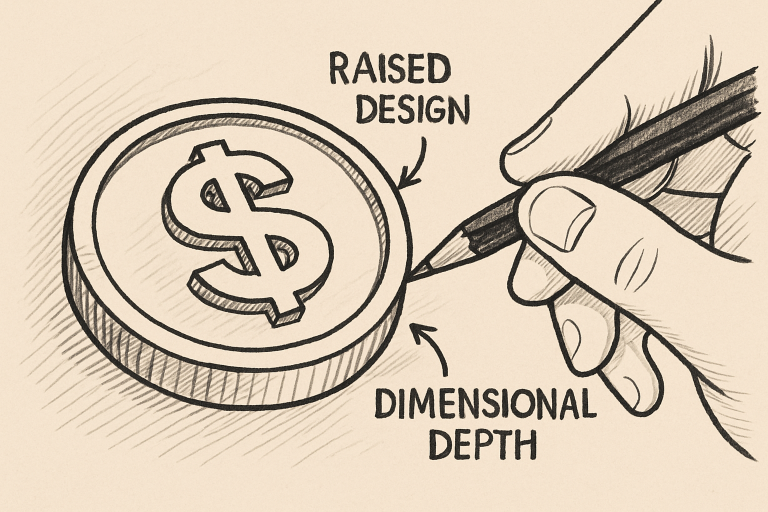
The creative journey begins when a concept is brought to the table. Whether you want to showcase a logo, symbol, or portrait, clarity and relevance are key. Working with experienced coin artists helps you turn rough concepts into detailed sketches. During this phase, factors such as size, thickness, edge treatment, and relief depth must be reviewed to ensure the final design is manufacturable without sacrificing detail or aesthetics.
Creating the Mold
After the artwork is finalized and approved, the technical process of mold creation begins. High-carbon steel dies are crafted with precision using computer numerical control (CNC) machines that engrave the intricate details of your design. Precision here is critical because any flaws in the mold will be present in every finished coin. To further extend the lifespan of each mold, they are heat-treated, boosting durability for repeated high-pressure use.
Metal Selection and Stamping
The next step is to select the appropriate metal based on your project’s goals and budget. Popular metals such as brass, copper, and zinc alloys offer different color tones, weights, and finishes. Metal blanks are created, and each blank is stamped with the detailed mold under immense pressure, creating a base coin that faithfully displays every designed nuance. The choice of metal not only influences visual appeal but also impacts the coin’s lifespan and weight.
Adding Depth with 3D Elements
To lend the coin its signature three-dimensional effect, advanced methods are applied. Techniques such as die-casting or applying multiple strikes with various pressures are used to achieve dramatic relief and a multi-layered, sculpted look. Finishers often add textural elements by sandblasting select areas, which intensifies contrast and highlights raised edges against recessed backgrounds for a striking appearance.
Polishing and Plating
Once the three-dimensional form is complete, the coins go through a series of finishing processes designed to enhance shine and durability. Each coin is meticulously polished, removing imperfections and prepping it for plating. Options like gold, silver, or copper plating are applied, and dual-plating is common for coins that require added contrast or distinct visual zones. These protective coatings extend the life of the coin and accentuate design features.
Adding Color and Finishing Touches
Some custom coins demand the addition of color for greater impact. Skilled artisans hand-paint enamel into specific segments of the design before baking the coins to set the colors permanently. This process ensures that vivid hues are both fade-resistant and robust enough to withstand handling. Additional touches like edge texturing, engraving, or serial numbering can be applied to enhance uniqueness, commemorate individual recipients, or elevate exclusivity.
Quality Control and Packaging
Before any coin is delivered to the recipient, it undergoes rigorous quality control. Each piece is inspected for accuracy, completeness, and consistency with the master design. Coins that meet these high standards are then carefully packaged, often in custom cases or capsules, to both protect and impress during presentation. This attention to detail ensures that each coin is a fitting symbol of recognition and pride.
Mastering the art and science of custom 3D coin production involves a thoughtful blend of imagination and expertise. Each step, from initial sketch to finished product, calls for attention and skill. The results are stunning coins that can mark moments, unite communities, and inspire generations well beyond the moment they are presented.
