
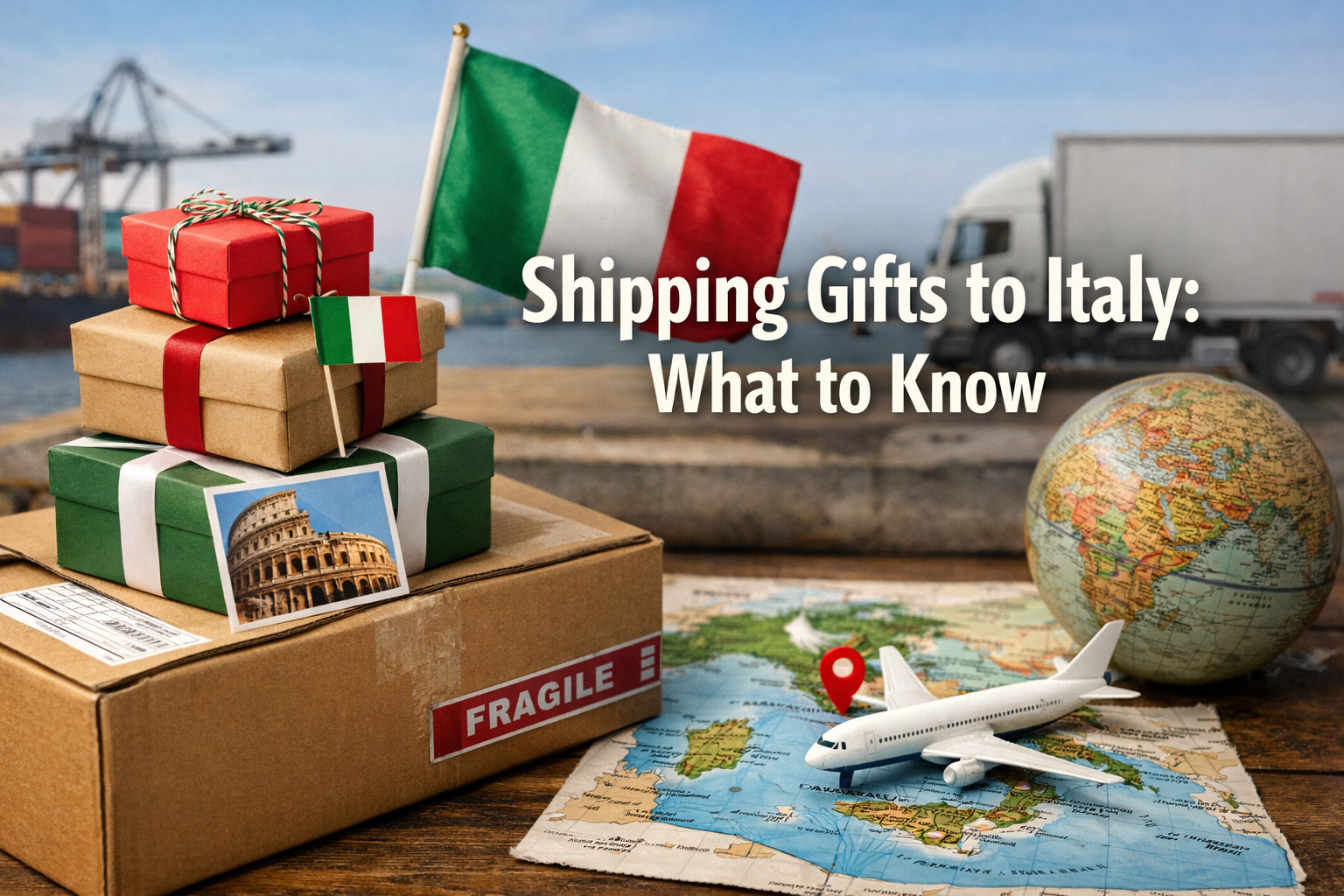
Sending presents abroad is a meaningful way to stay connected with loved ones, especially during holidays and special occasions. Many people planning international deliveries find that shipping to Italy requires attention to packaging, timing, and customs details to avoid delays. Understanding how parcel services operate from the United States helps you choose a method that balances speed, reliability, and cost.
International parcel delivery from the U.S. to Italy usually involves air or sea transportation, both suitable for personal packages rather than large cargo. Services like Meest allow customers to send gift boxes directly to a recipient’s address while tracking shipments online. Before preparing your parcel, it is helpful to review size limits, delivery timelines, and documentation requirements.

Preparing Gift Parcels for Safe Delivery
Proper packaging is one of the most important steps when sending gifts overseas. A well-prepared box protects items during handling and long-distance transport, reducing the chance of damage. Before sealing your parcel, consider these practical packing tips:
- use sturdy boxes — choose strong cardboard packaging that can handle stacking and movement during transit;
- add cushioning materials — bubble wrap, foam, or paper padding helps prevent fragile items from shifting;
- leave space for protection — avoid overfilling the box so cushioning materials can absorb shocks;
- label clearly and accurately — write the full address in English and ensure it remains visible during shipping;
- seal the parcel tightly — reinforced tape keeps the package secure throughout air or sea delivery.
Good preparation improves delivery speed because properly packed parcels pass through sorting centers more smoothly. Taking extra time to secure items also helps avoid additional costs caused by damaged goods.
Delivery Options and Transit Times
When sending parcels to Italy, customers typically choose between air and sea shipping depending on urgency and budget. Air delivery is faster, with estimated transit times of about 7–14 days, making it suitable for holiday gifts or time-sensitive packages. Sea shipping offers a more economical alternative, though delivery can take around four to five weeks.
Pricing often depends on weight and shipping method. Air delivery may cost about $3.86 per pound, while sea transport averages closer to $1.70 per pound, with a standard box handling fee applied. Online calculators help estimate total costs and allow senders to compare options before finalizing the shipment.
Parcel guidelines also play an important role in planning. A typical maximum weight is 66 pounds, and box dimensions must stay within specified size limits to ensure acceptance. Every shipment usually includes basic insurance coverage of about $60, with optional additional insurance available for higher-value gifts.
Customs Rules and Duties for Gift Shipments
Shipping gifts internationally means following customs regulations set by the destination country. Each parcel requires accurate documentation, including a declaration that describes the contents, value, and purpose of the shipment. Clear and honest information helps prevent delays during inspection and speeds up the release process.
Recipients in Italy may be responsible for customs duties or taxes if the parcel exceeds duty-free limits. These fees depend on the type and value of goods, so senders should inform recipients in advance to avoid confusion. Preparing documents early and double-checking addresses can make the overall experience smoother.
By combining careful packaging, accurate paperwork, and the right delivery method, sending gifts from the United States becomes a straightforward process. Reliable parcel carriers that provide tracking, insurance options, and flexible transport choices help ensure packages arrive safely, and many customers rely on services like Meest-America for convenient international delivery.