
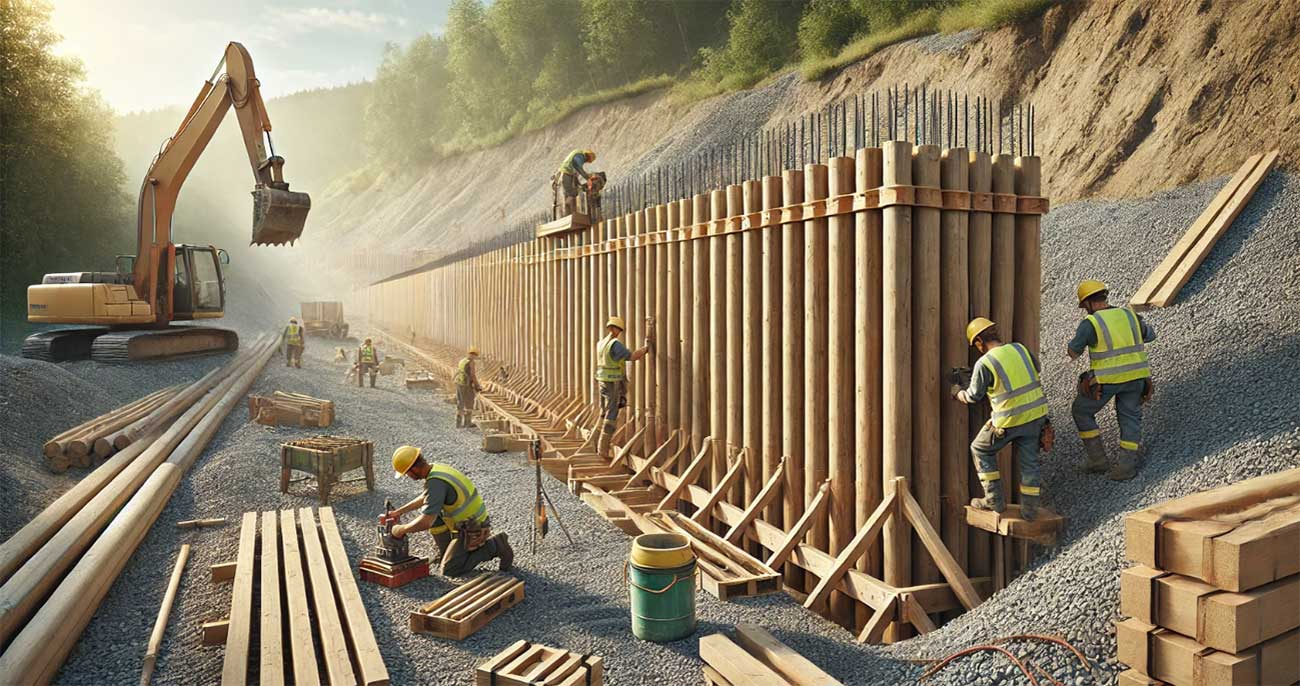
A retaining wall is more than just a structural element in landscaping; it is a critical feature that prevents soil erosion, manages water drainage, and enhances the overall visual appeal of a property. Whether designed for residential, commercial, or industrial purposes, a properly constructed retaining wall serves as both a functional and aesthetic solution to terrain challenges. The process of planning, building, and maintaining a retaining wall involves careful consideration of soil type, drainage requirements, material selection, and structural design to ensure long-term stability and performance. Neglecting these factors can result in soil displacement, wall failure, or unsightly deterioration over time, making a well-planned retaining wall an essential investment for property owners seeking durability, safety, and beauty in their landscapes.
Understanding the Purpose of a Retaining Wall
The primary function of a retaining wall is to hold back soil and prevent erosion on sloped or uneven terrain. In addition to structural support, retaining walls can also define landscape areas, create garden terraces, and provide seating or decorative features. Soil pressure behind the wall, water buildup, and environmental factors such as freeze-thaw cycles all place stress on the structure, making engineering and design considerations critical. Retaining walls vary in scale, from small garden borders to large-scale commercial or roadside constructions, yet their purpose remains consistent: to provide stability and manage the natural forces acting upon the soil. Beyond its practical function, a retaining wall can serve as an attractive landscape feature, using materials, textures, and design patterns that complement the property while addressing functional requirements. Understanding both the functional and aesthetic roles of a retaining wall is essential when planning its construction.
Planning and Design Considerations
Effective retaining wall construction begins with comprehensive planning and design. The first step involves assessing the site’s slope, soil composition, and water drainage patterns. Soil type whether clay, sandy, or loamy affects the pressure exerted on the wall and determines the best material and reinforcement method. Drainage is another critical factor, as water accumulation behind a wall can significantly increase lateral pressure, potentially leading to structural failure. Incorporating drainage solutions such as gravel backfill, perforated pipes, or weep holes can relieve water pressure and extend the lifespan of the wall. The design should also consider the height and length of the wall, as taller walls require additional reinforcement such as geogrid, tiebacks, or concrete anchors. Aesthetic considerations, including the choice of stone, brick, concrete blocks, or timber, influence the visual impact of the wall and should align with the overall landscape design. Careful planning ensures that the retaining wall fulfills its intended purpose, remains durable under environmental pressures, and contributes positively to the property’s appearance.
Materials and Construction Techniques
The materials selected for a retaining wall play a significant role in its durability and visual appeal. Common options include natural stone, concrete blocks, poured concrete, timber, and gabion baskets filled with rock. Each material has distinct advantages and limitations. Natural stone provides a timeless and organic look but may require skilled labor for precise placement. Concrete blocks offer uniformity, ease of installation, and long-term durability, making them suitable for both residential and commercial projects. Timber walls are cost-effective and easy to install but may be susceptible to decay over time if not properly treated. Gabion retaining walls, which consist of wire baskets filled with rocks, are particularly effective for erosion control and offer a rugged, contemporary aesthetic. Construction techniques vary depending on the material and site conditions, but proper compaction of the base, backfilling, and integration of drainage systems are universal requirements. The success of a retaining wall depends on the combination of quality materials, skilled construction, and attention to environmental factors.
Engineering and Structural Stability
Ensuring the structural stability of a retaining wall is critical to prevent failure, which can be both costly and hazardous. Lateral earth pressure, water pressure, and surcharge loads such as vehicles or buildings adjacent to the wall must be considered during the engineering phase. Taller walls or those supporting significant weight often require reinforced designs, including concrete cores, steel rebar, geogrid reinforcement, or mechanically stabilized earth techniques. Proper foundation preparation is essential to distribute loads evenly and prevent settlement or tilting. Engineers and experienced contractors assess these factors during the design phase to create a wall that withstands environmental pressures and maintains long-term stability. Failure to consider structural requirements can lead to bowing, cracking, or complete collapse of the retaining wall, underscoring the importance of engineering expertise in construction.
Drainage and Water Management
Water management is one of the most important aspects of retaining wall maintenance and longevity. Accumulated water behind the wall increases pressure and can compromise the structural integrity over time. Installing a drainage system that includes gravel backfill, perforated pipes, and weep holes ensures that water flows away from the wall efficiently. Surface water management is equally important, requiring proper grading and slope design to direct runoff away from the wall’s base. Seasonal considerations, such as freeze-thaw cycles, also influence water management strategies, as trapped water can freeze and expand, leading to cracks or displacement of wall materials. Incorporating adequate drainage during the construction phase and monitoring it regularly as part of ongoing maintenance is essential for the long-term success of a retaining wall.
Aesthetic and Landscaping Integration
Beyond structural function, a retaining wall serves as an integral part of landscape design. Well-designed walls can create terraces, level garden spaces, define pathways, or provide seating areas, blending functionality with aesthetic appeal. Choosing materials, colors, and textures that complement surrounding elements such as patios, plantings, or architectural features enhances the overall visual impact. Additionally, integrating greenery, vines, or decorative finishes can soften the appearance of the wall, creating a harmonious transition between hardscape and landscape elements. A retaining wall that balances functionality and aesthetics not only improves the usability of the property but also adds significant value and visual interest to outdoor spaces.
Maintenance and Longevity
Regular maintenance is essential to ensure the durability and safety of a retaining wall. Inspections should be conducted periodically to identify signs of movement, cracks, bulging, or water accumulation. Vegetation growing near or through the wall should be managed, as roots can compromise structural integrity. Drainage systems should be monitored to ensure they remain clear and effective, particularly after heavy rainfall or seasonal changes. Minor repairs, such as filling small cracks or adjusting displaced stones, should be addressed promptly to prevent further deterioration. Proper maintenance not only prolongs the lifespan of the retaining wall but also ensures that it continues to perform its structural role effectively while maintaining its aesthetic appeal.
Environmental and Site Considerations
Site conditions and environmental factors influence the design, construction, and maintenance of a retaining wall. Soil erosion, rainfall patterns, freeze-thaw cycles, and seismic activity must all be considered when planning and constructing a wall. Certain soils, such as clay or expansive soils, exert more pressure and may require reinforced or specially designed retaining walls. Similarly, sites with steep slopes or high water tables necessitate advanced drainage and structural solutions. Understanding the environmental context ensures that the retaining wall is built to withstand natural forces, reduces the risk of failure, and minimizes long-term maintenance needs. Proper consideration of environmental factors also allows the wall to integrate seamlessly into the surrounding landscape while addressing functional requirements.
Conclusion
A well-designed and constructed retaining wall is an investment in both stability and aesthetic excellence. By carefully planning site conditions, selecting appropriate materials, incorporating proper engineering techniques, and implementing effective drainage solutions, homeowners and property developers can create retaining walls that perform reliably for decades. Beyond structural support, retaining walls enhance the visual appeal of landscapes, provide functional benefits such as terracing and erosion control, and increase property value. Ongoing maintenance, including regular inspections, minor repairs, and drainage monitoring, ensures that the retaining wall continues to meet its functional and aesthetic objectives. By approaching construction and maintenance thoughtfully, a retaining wall becomes more than just a structural necessity—it becomes a lasting element that defines and enhances outdoor spaces while protecting the property from environmental challenges. Properly executed retaining wall projects combine durability, beauty, and functionality, demonstrating the critical role of planning, construction, and maintenance in achieving long-term landscape success.
