
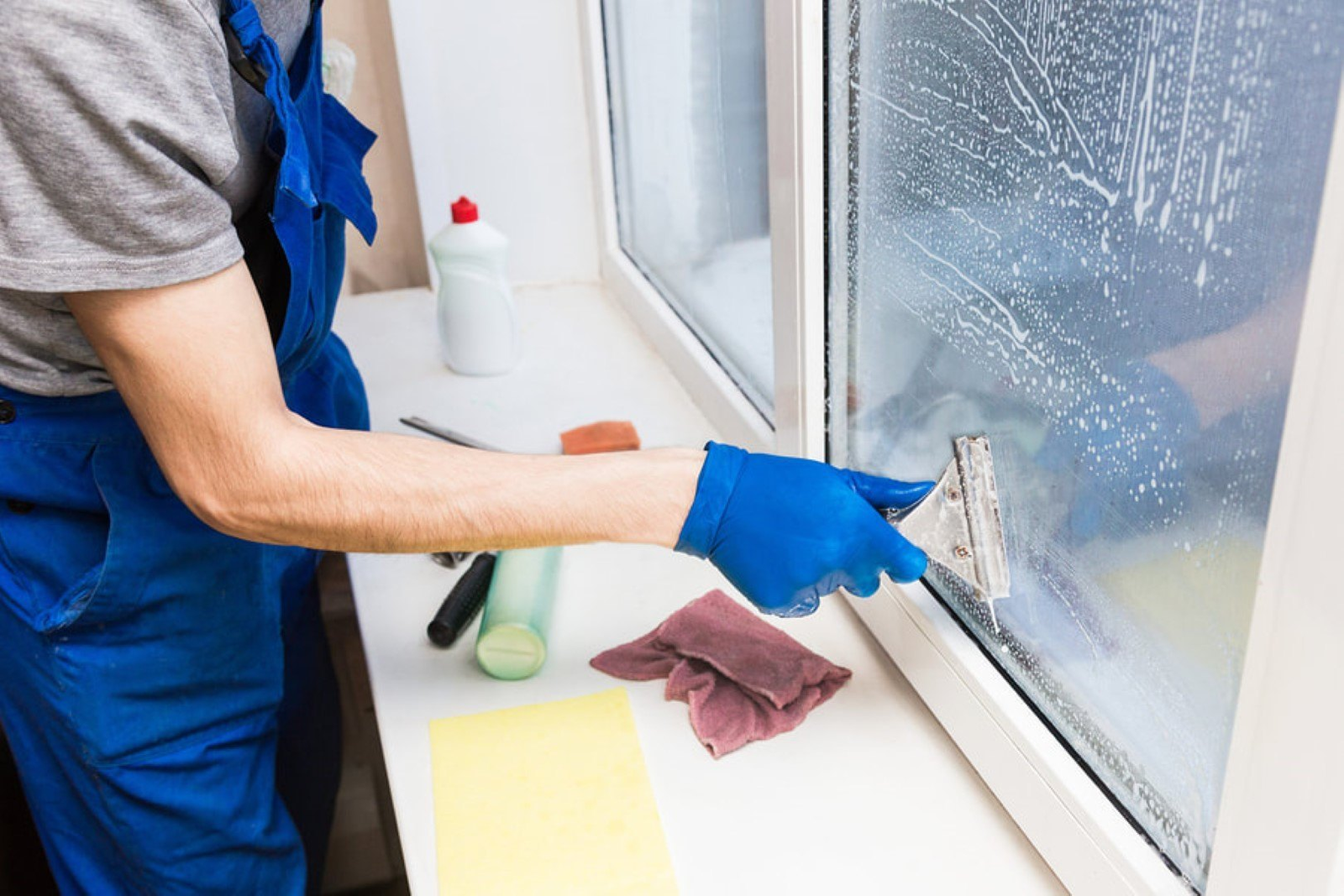
Windows play a crucial role in both residential and commercial properties. They provide natural light, enhance aesthetic appeal, improve energy efficiency, and contribute to the overall comfort of a space. While the purpose of windows is similar in both types of properties, the approach to maintaining and cleaning them differs significantly. Residential and commercial window cleaning require different techniques, tools, and scheduling strategies to ensure the best results. Understanding these differences helps property owners, facility managers, and homeowners make informed decisions about maintenance and hire the right professionals for their needs.
The Importance of Regular Window Cleaning
Regardless of the type of property, clean windows are essential for visibility, hygiene, and aesthetics. Dust, pollen, smudges, and other residues accumulate over time, reducing clarity and obstructing natural light. In residential properties, dirty windows can diminish the comfort and ambiance of living spaces, affecting everything from mood to indoor lighting quality. In commercial properties, unclean windows can impact professional image, employee productivity, and customer perception.
Professional window cleaning ensures streak-free, spotless glass while preserving the longevity of windows and frames. Regular maintenance also prevents the build-up of dirt and debris, which can lead to scratches, corrosion, or long-term damage. Both residential and commercial property owners benefit from scheduled cleaning, although the methods and frequency differ based on building size, window type, and usage.
Key Differences Between Residential and Commercial Window Cleaning
While the goal of clean windows is the same, the methods, tools, and scheduling strategies for residential and commercial properties vary. Understanding these differences is essential for effective maintenance.
1. Scale and Complexity
Residential window cleaning typically involves a single-family home or small apartment units with standard window sizes. The cleaning process is straightforward and often involves ladders, handheld squeegees, and microfiber cloths.
Commercial window cleaning, on the other hand, deals with larger buildings, office towers, storefronts, and industrial facilities. Windows may be high-rise or difficult to access, requiring scaffolding, lifts, or rope-access techniques. The scale and complexity of commercial properties demand specialized equipment, safety protocols, and trained personnel to complete cleaning efficiently and safely.
2. Frequency and Scheduling
Residential windows generally require cleaning a few times per year, depending on environmental factors such as nearby trees, dust, and weather conditions. Homeowners often schedule cleaning seasonally or when windows become visibly dirty.
Commercial properties usually follow more frequent schedules to maintain professional appearance and compliance with workplace standards. Retail stores, office buildings, and public-facing businesses may require monthly or quarterly window cleaning. High-traffic commercial areas or buildings in polluted urban environments may need even more frequent attention to maintain clear visibility and curb appeal.
3. Tools and Techniques
For residential window cleaning, common tools include handheld squeegees, soft brushes, microfiber cloths, and standard cleaning solutions. Techniques focus on streak-free results and gentle handling to prevent damage to delicate glass or frames.
Commercial window cleaning requires specialized tools such as water-fed poles, high-pressure cleaning systems, scaffolding, and rope access gear for multi-story buildings. Cleaning solutions may include industrial-strength but safe detergents to remove tough grime, pollutants, or hard water stains. Commercial techniques also prioritize efficiency, especially in large-scale buildings where multiple windows must be cleaned simultaneously without disrupting operations.
4. Safety Considerations
Safety is always a concern, but commercial window cleaning carries higher risks due to height and accessibility challenges. Professionals must adhere to strict safety protocols, use harnesses, scaffolds, or lifts, and undergo proper training. Residential window cleaning typically involves lower heights and simpler safety measures, although ladders and high windows still require caution. Hiring professionals for both residential and commercial properties ensures safety while delivering high-quality results.
Benefits of Residential Window Cleaning
Regular residential window cleaning provides multiple advantages that go beyond aesthetics. Clean windows enhance natural light, creating brighter and more inviting interiors. They prevent the buildup of dirt, pollen, and allergens, contributing to healthier indoor air quality and reducing respiratory irritants. Clean glass also protects window frames and finishes from long-term damage, extending the life of windows and reducing maintenance costs.
From a design perspective, sparkling windows improve curb appeal, complement landscaping, and showcase the home’s exterior. For homeowners planning to sell or rent their property, clean windows make a strong first impression and can even enhance property value.
Benefits of Commercial Window Cleaning
Commercial window cleaning delivers both functional and strategic benefits for businesses. Clean windows reflect professionalism, maintain corporate image, and contribute to customer satisfaction. Employees benefit from increased natural light, which can boost productivity, mood, and focus.
Commercial cleaning services also protect the building infrastructure by removing corrosive pollutants, hard water stains, and debris that can damage glass and framing materials. High-quality cleaning ensures compliance with occupational health and safety standards, particularly in large facilities, schools, or healthcare environments. Efficient commercial window cleaning minimizes disruption to business operations while maintaining a clean and polished appearance.
Eco-Friendly Cleaning Practices for Both Residential and Commercial Properties
Increasingly, both residential and commercial window cleaning services are adopting eco-friendly solutions. Biodegradable cleaning agents, water-efficient techniques, and reusable microfiber cloths reduce environmental impact while achieving exceptional results. Eco-conscious practices improve indoor air quality, prevent chemical residues, and align with sustainability goals. Property owners benefit from streak-free, clean windows without compromising safety, health, or the environment.
Tips for Choosing a Professional Window Cleaning Service
Selecting the right professional service is crucial for both residential and commercial properties. Consider the following factors:
- Experience and Reputation: Look for companies with a proven track record and positive customer reviews.
- Equipment and Techniques: Ensure the service uses modern, safe, and effective tools and cleaning solutions.
- Safety Protocols: For high-rise or difficult-access windows, verify that the team follows proper safety procedures and is insured.
- Frequency and Flexibility: Choose a service that can accommodate your preferred schedule and tailor cleaning plans to your property’s specific needs.
- Eco-Friendly Options: If environmental impact is important, select providers that offer green cleaning practices without sacrificing results.
Long-Term Value of Professional Window Cleaning
Both residential and commercial window cleaning provide long-term benefits beyond immediate appearance. Clean windows enhance energy efficiency by allowing more sunlight into interiors, reducing reliance on artificial lighting. They prevent damage to glass, frames, and seals, lowering maintenance costs over time. In commercial spaces, well-maintained windows contribute to brand reputation and employee satisfaction, while in residential properties, they support comfort, hygiene, and property value.
By investing in professional window cleaning, property owners protect their windows, ensure optimal visibility, and create healthier and more appealing environments.
Conclusion
Understanding the differences between residential and commercial window cleaning is essential for maintaining clean, functional, and visually appealing windows. Residential properties benefit from periodic cleaning to enhance natural light, air quality, and home aesthetics. Commercial properties require frequent, specialized cleaning to maintain professional image, employee comfort, and building integrity. Both types of cleaning share common goals protecting windows, preventing damage, and maximizing visibility but the methods, tools, and scheduling differ significantly.Professional window cleaning ensures streak-free results, protects the structure of windows, and promotes health and safety for occupants. Whether for a home or a business, investing in expert window cleaning improves curb appeal, extends the life of windows, and creates a brighter, healthier, and more welcoming environment. By understanding the unique needs of residential versus commercial window cleaning, property owners can make informed decisions and enjoy the full benefits of well-maintained glass surfaces.
