
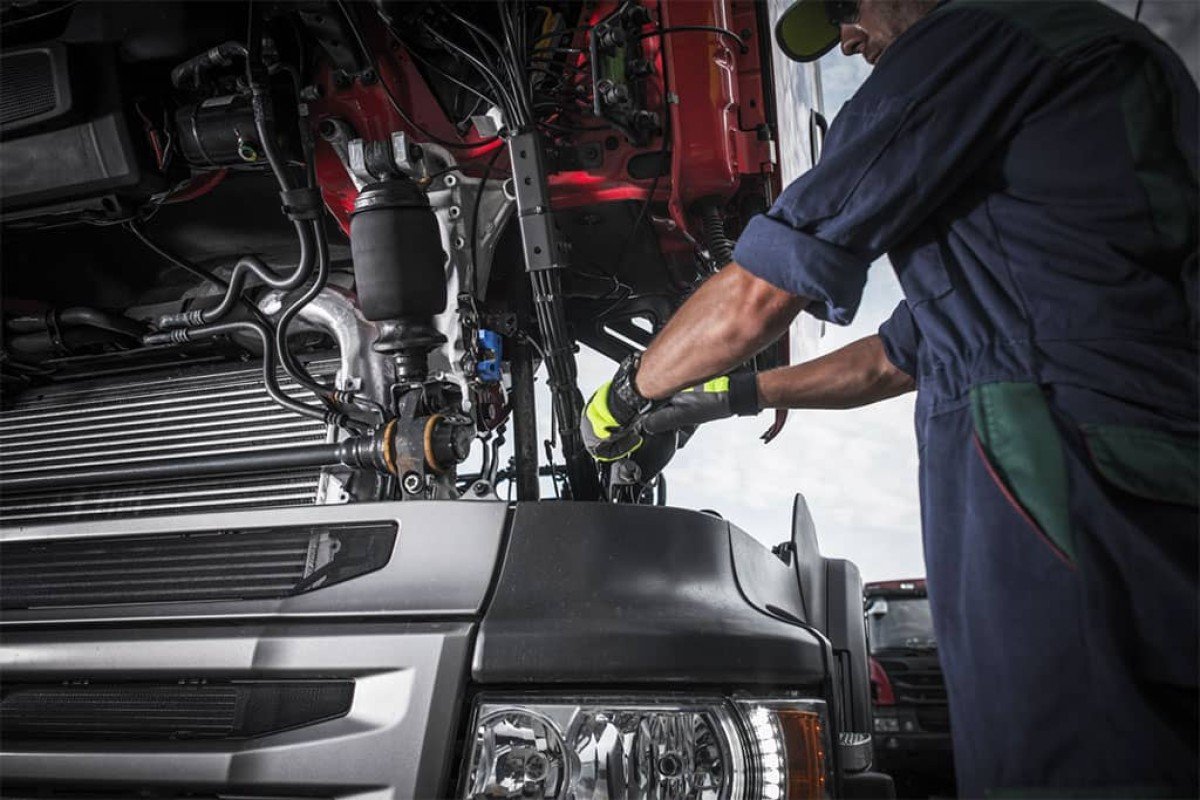
Commercial trucks are essential assets for businesses, responsible for transporting goods efficiently and reliably over long distances. However, trucks are complex machines that require regular maintenance to prevent costly breakdowns and extend their lifespan. Neglecting preventative maintenance can lead to severe mechanical failures, unscheduled downtime, and expensive repairs that impact both operations and profitability. By following a structured preventative maintenance program, fleet owners and drivers can identify potential issues early, optimize vehicle performance, and minimize long-term repair costs.
The Importance of Preventative Truck Maintenance
Preventative maintenance involves routine inspections, servicing, and repairs designed to keep trucks operating safely and efficiently. Unlike reactive repairs, which occur after a problem arises, preventative maintenance addresses potential issues before they escalate. Regular maintenance ensures that engines, transmissions, brakes, tires, and other critical components function optimally, reducing the likelihood of unexpected failures. Beyond cost savings, preventative maintenance improves safety, extends the life of the vehicle, and supports regulatory compliance for commercial trucking operations.
Conduct Regular Engine and Fluid Checks
The engine is the heart of a truck, and maintaining it is crucial for reliability. Drivers should regularly inspect engine components, belts, hoses, and fluid levels, including oil, coolant, transmission fluid, and brake fluid. Low or contaminated fluids can cause overheating, increased friction, and component wear, leading to expensive repairs or engine failure. Scheduling regular oil changes, replacing filters, and topping off fluids according to the manufacturer’s recommendations helps prevent engine damage and ensures smooth performance over time.
Monitor Tire Health and Alignment
Tires are critical for both safety and fuel efficiency. Worn or improperly inflated tires increase the risk of blowouts, uneven wear, and decreased traction. Routine tire inspections, including checking tread depth, air pressure, and alignment, can prevent accidents and extend tire life. Rotating tires periodically and replacing them when necessary reduces strain on the suspension system and improves overall fuel economy. Proactively maintaining tire health minimizes the likelihood of roadside emergencies and reduces the frequency of costly tire replacements.
Maintain Brakes and Suspension Systems
Brakes and suspension components endure significant stress, especially in commercial trucks carrying heavy loads. Regular inspection of brake pads, discs, drums, and hydraulic systems is essential to ensure reliable stopping power. Likewise, suspension components such as shocks, struts, and bushings should be checked for wear and damage. Addressing these elements proactively not only enhances safety but also prevents secondary damage to other parts of the truck that can occur due to worn suspension or braking systems. Properly maintained brakes and suspension systems reduce repair costs and improve vehicle longevity.
Electrical System Inspections
Modern trucks rely heavily on electrical systems to power lights, sensors, starters, and onboard electronics. Faulty wiring, corroded connections, or drained batteries can cause sudden failures, leaving drivers stranded and disrupting operations. Routine checks of batteries, alternators, wiring, and fuses help prevent unexpected breakdowns. Ensuring that electrical systems are functioning correctly maintains vehicle reliability and reduces the likelihood of costly emergency repairs.
Implement Scheduled Preventative Services
Scheduled preventative services, often recommended by the truck manufacturer, include comprehensive inspections, component replacements, and performance testing. These services typically cover engine diagnostics, transmission checks, exhaust system evaluations, and drivetrain inspections. By adhering to a maintenance schedule, fleet managers can systematically address wear and tear, reducing the risk of mechanical failure and avoiding unplanned downtime. Keeping accurate records of maintenance activities also helps track vehicle performance and identify recurring issues early.
Clean and Maintain the Truck Exterior and Interior
While mechanical maintenance is crucial, keeping the truck clean also contributes to long-term preservation. Regular washing removes road salt, debris, and contaminants that can corrode metal surfaces or damage paint. Interior maintenance, including cleaning the cabin and checking HVAC systems, ensures driver comfort and prolongs the life of interior components. A clean and well-maintained truck supports both operational efficiency and the professional image of the company.
Benefits of Working with Professional Truck Repair Services
Even with regular preventative maintenance, professional inspections and repairs are often necessary to address specialized systems. Experienced technicians can detect issues that may not be apparent to drivers, such as hidden leaks, worn bearings, or subtle engine inefficiencies. Partnering with trusted repair services ensures that trucks receive high-quality, timely maintenance and repairs, reducing long-term operational costs. In regions like Miami, working with certified professionals in truck repair services can help fleets maintain peak performance while minimizing downtime and avoiding expensive emergency repairs.
Conclusion
Preventative maintenance is the most effective strategy to reduce truck repair costs and extend vehicle longevity. By conducting routine engine and fluid checks, monitoring tires and suspension, inspecting electrical systems, adhering to scheduled services, and maintaining the truck’s exterior and interior, drivers and fleet managers can prevent minor issues from becoming major problems. Combining consistent maintenance with professional inspections from experienced truck repair services ensures operational efficiency, reduces unexpected repair expenses, and enhances safety on the road. Investing in preventative care protects both the vehicle and the business, supporting long-term reliability and profitability.
