
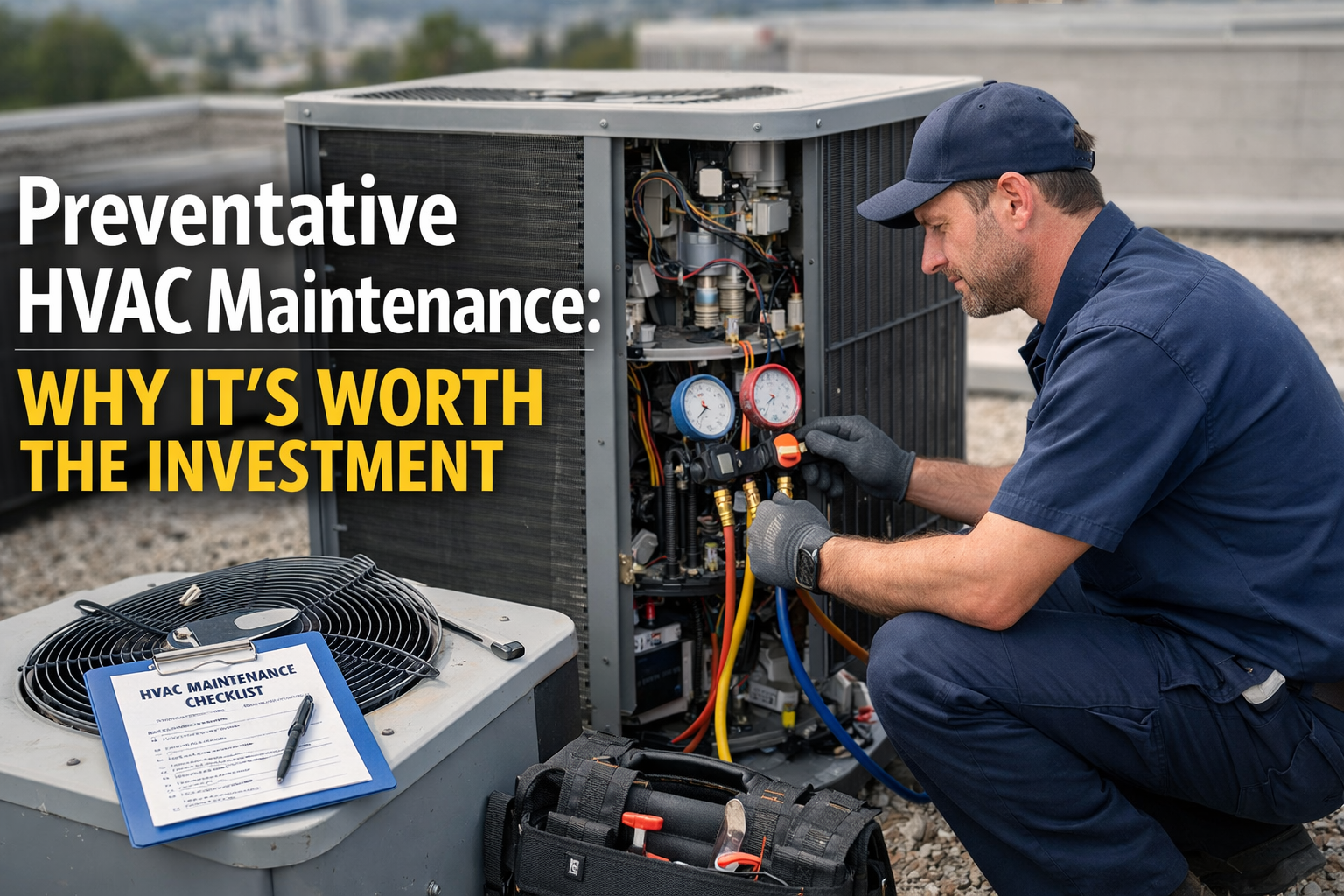
Understanding Preventative HVAC Maintenance
A home’s HVAC system is one of the most significant investments a homeowner can make, providing essential heating, cooling, and ventilation that ensures comfort and maintains indoor air quality year-round. Preventative HVAC maintenance is the practice of proactively inspecting, cleaning, and repairing a system before issues become costly emergencies. Many homeowners tend to ignore regular maintenance, waiting until their heating or cooling system fails to call for professional help, which often leads to expensive repairs, unexpected downtime, higher energy bills, and a shorter lifespan for the system. In contrast, adopting a preventative maintenance strategy allows homeowners to catch potential problems early, maintain efficiency, and extend the useful life of their HVAC equipment. By addressing minor issues before they escalate into major failures, preventative maintenance ensures reliable operation, reduces the likelihood of emergency repairs, and provides homeowners with peace of mind knowing their system will perform effectively throughout the year.
The Benefits of Preventative HVAC Maintenance
Investing in preventative HVAC maintenance delivers a wide range of benefits that go far beyond the immediate convenience of having a system that works. One of the most noticeable advantages is lower energy bills. Over time, dust, debris, and normal wear and tear can reduce a system’s efficiency, causing it to work harder to maintain a comfortable indoor temperature. Components such as clogged filters, dirty coils, and blocked vents can all contribute to increased energy consumption. By maintaining these components regularly, homeowners can ensure that their system operates efficiently, reducing the energy required to heat or cool a home and resulting in measurable savings on utility bills. Another critical benefit of preventative maintenance is a significant reduction in emergency repair costs. Small problems, such as minor refrigerant leaks, faulty electrical connections, or worn motor components, often begin inconspicuously and worsen gradually. Scheduling regular professional inspections and servicing allows these issues to be identified and addressed early, preventing them from escalating into major failures that could require expensive replacements or extensive repairs.
Preventative maintenance also plays a key role in extending the lifespan of an HVAC system. Central air conditioners, furnaces, and heat pumps are substantial investments, often costing thousands of dollars, and homeowners want to ensure that these systems remain operational for as long as possible. Regularly maintained components operate more smoothly, experience less strain, and avoid premature wear, resulting in a system that lasts longer and delays the need for costly replacement. Improved indoor air quality is another essential benefit of preventative HVAC maintenance. Over time, air filters can become clogged, ductwork can accumulate dust, and coils may collect dirt, all of which allow allergens, dust, and other pollutants to circulate throughout the home. By replacing filters, cleaning coils, and inspecting ductwork, homeowners can significantly enhance indoor air quality, creating a healthier living environment, particularly for individuals with allergies or respiratory conditions. Finally, preventative maintenance ensures consistent comfort by addressing minor performance issues before they affect temperature control. Homeowners can avoid uneven heating or cooling, eliminate hot or cold spots, and maintain a consistent indoor climate, which is essential for year-round comfort.
Key Preventative Maintenance Tasks
Preventative HVAC maintenance encompasses several essential tasks, all of which contribute to optimal system performance. One of the most basic yet important tasks is regular filter replacement. Air filters trap dust, pollen, and other airborne particles, preventing them from circulating through the home and entering the HVAC system. When filters become clogged, airflow is restricted, forcing the system to work harder to maintain the desired temperature, which increases energy consumption and puts additional strain on key components. Homeowners should inspect filters monthly and replace them as needed, particularly in homes with pets or high dust levels, to ensure efficient airflow and protect the system. Coil cleaning is another critical aspect of preventative maintenance. Both the evaporator and condenser coils must remain clean to facilitate efficient heat transfer. Over time, dirt and debris accumulate on the coils, reducing efficiency, increasing energy costs, and creating a higher likelihood of system failure. Professional cleaning ensures that coils are free of buildup, operates at maximum efficiency, and prevents costly repairs.
Ductwork inspection and sealing are also vital. Leaky, damaged, or poorly insulated ducts can result in energy loss, uneven temperatures, and diminished indoor air quality. Properly sealed and insulated ducts ensure consistent airflow throughout the home, reduce energy consumption, and prevent the circulation of dust and allergens. Refrigerant checks are another essential maintenance task, as low refrigerant levels reduce cooling efficiency and place additional stress on the compressor, increasing the risk of failure. Certified HVAC technicians can safely inspect refrigerant levels, detect leaks, and recharge the system to maintain optimal performance. Electrical inspections are equally important, as loose or faulty electrical connections, worn wiring, and failing components can lead to system malfunctions or safety hazards. Regular preventative maintenance includes thorough electrical inspections, tightening connections, and verifying that all components function properly. Thermostat calibration ensures the system operates accurately and efficiently, preventing unnecessary energy use and maintaining consistent temperatures throughout the home.
Seasonal Considerations for Maintenance
HVAC maintenance needs can vary depending on the season, as systems experience different levels of stress during heating and cooling cycles. In spring and summer, air conditioning units endure heavy usage, and preventative maintenance should focus on cooling efficiency. This includes refrigerant inspections, outdoor condenser unit cleaning, coil cleaning, and airflow assessments. Proper preparation ensures the system can handle peak summer temperatures without breaking down, maintaining comfort during the hottest months. In fall and winter, heating systems work most heavily. Preventative maintenance during this period involves inspecting furnaces, heat pumps, and boilers, cleaning heating elements, examining ductwork, and verifying thermostat settings. Ensuring the heating system is prepared before the coldest months prevents mid-winter breakdowns, improves energy efficiency, and provides consistent comfort throughout the season.
The Cost-Effectiveness of Preventative Maintenance
While scheduling preventative maintenance has an upfront cost, the long-term financial benefits are significant. Regular maintenance reduces energy bills by ensuring the system operates efficiently, minimizes emergency repair costs by catching small issues early, and extends the lifespan of expensive HVAC equipment. Homeowners who invest in annual preventative maintenance often see savings that far exceed the cost of the service itself. Beyond energy savings, preventative maintenance protects the homeowner’s investment by preventing premature replacement of major components. A single emergency repair for a compressor or motor failure can sometimes cost as much as several years of routine maintenance. By maintaining the system proactively, homeowners can avoid unexpected expenses and enjoy uninterrupted comfort throughout the year.
Signs You Need Professional Maintenance
Even when a system appears to be functioning properly, certain indicators suggest that professional maintenance may be needed. Uneven temperatures across different rooms, strange noises such as grinding or rattling, weak airflow, unusual odors, or rising energy bills without a change in usage all suggest that the HVAC system could benefit from inspection and servicing. Addressing these issues proactively allows homeowners to prevent major failures and maintain system efficiency.
Why Professional Service Matters
While homeowners can perform simple maintenance tasks like filter replacement or cleaning around the outdoor unit, comprehensive preventative maintenance requires certified technicians. Professionals have the knowledge, tools, and experience to diagnose hidden issues, handle refrigerants safely, calibrate electrical components, clean coils thoroughly, and ensure compliance with manufacturer guidelines. Working with trusted experts such as We Care Plumbing, Heating and Air guarantees that the system receives full, professional care, improving reliability, energy efficiency, and comfort for the homeowner.
FAQs About Preventative HVAC Maintenance
How often should HVAC maintenance be performed? Most manufacturers recommend at least one professional inspection per year, ideally scheduled before peak heating or cooling seasons. Annual inspections help prevent minor issues from becoming serious problems and maximize system efficiency.
Does preventative maintenance really save money? Yes, regular maintenance reduces energy usage, minimizes emergency repair costs, extends system lifespan, and improves indoor air quality, resulting in measurable savings over time.
Can I perform maintenance myself? Homeowners can safely handle simple tasks like replacing filters or clearing debris. However, refrigerant handling, coil cleaning, electrical inspections, and system diagnostics require professional expertise.
What are the risks of skipping preventative maintenance? Neglecting maintenance increases the likelihood of system inefficiency, higher energy bills, frequent breakdowns, and premature equipment failure, leading to more costly repairs or replacement.
Will maintenance improve indoor air quality? Yes. Replacing filters, cleaning coils, and inspecting ducts reduces dust, allergens, and pollutants, resulting in cleaner, healthier air throughout the home.
Long-Term Benefits of Investing in HVAC Maintenance
Investing in preventative HVAC maintenance provides long-term benefits beyond cost savings. Regular maintenance ensures peace of mind, reducing the stress of unexpected system failures during extreme temperatures. It prolongs the lifespan of HVAC equipment, maximizes energy efficiency, enhances indoor air quality, and maintains consistent comfort. Efficient systems also contribute to environmental sustainability by consuming less energy and reducing the household’s carbon footprint. By planning for regular maintenance, homeowners protect their investment and enjoy reliable comfort year-round.
Protect Your Investment with Preventative Maintenance
Preventative HVAC maintenance is an investment that pays off through energy savings, extended system life, improved indoor air quality, and fewer unexpected repairs. Homeowners who schedule routine inspections and professional servicing ensure their systems operate efficiently, safely, and reliably. By working with professionals such as We Care Plumbing, Heating and Air, homeowners gain access to certified technicians who provide thorough, expert maintenance and help prevent costly emergencies. Investing in preventative maintenance today protects the HVAC system, reduces energy bills, and delivers years of reliable comfort, making it an essential component of responsible homeownership.
Business Name: We Care Plumbing, Heating and Air
Address: 1144 W Shelley Ct, Orange, CA 92868
Phone Number: (951) 277-6848
