
Solar generators are revolutionizing how we harness and utilize solar energy. As the need for sustainable energy solutions grows, understanding the distinctions between portable and home solar generators becomes crucial. Portable solar generators offer flexibility, ideal for outdoor activities or emergencies, while home solar generators act as a robust power backup, ensuring homes remain operational during outages. This blog delves into the specifics of each type, covering key features, popular models, power capacity, and installation basics, ultimately providing a comprehensive comparison to help you choose the solar generator that best suits your needs.
What Is a Portable Solar Powered Generator?
Portable solar powered generators are compact, versatile energy solutions designed for easy transport and use in various outdoor settings. These generators harness solar energy through panels to provide clean power without relying on traditional fuel sources. Typically, portable solar generators include batteries for energy storage, solar panels for charging, and inverters to convert the DC power to AC power used by most appliances.
Key Features and Typical Use Cases
Portable solar generators boast features like lightweight design, ease of setup, and quick recharging capabilities. They’re perfect for camping, road trips, or emergency power during outages. Their compact size allows for transport to remote locations, offering reliable energy for small devices like smartphones, laptops, or small kitchen appliances. The possibility to recharge using solar panels gives users independence from conventional power sources, making them indispensable in scenarios where traditional electricity is unavailable.
Popular Portable Options and Real-World Examples, Including Anker SOLIX Portable Solar Generators
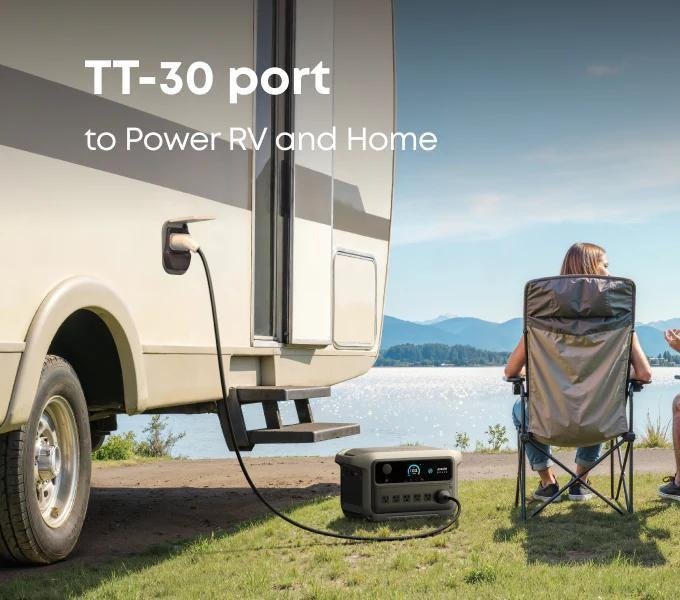
The Anker SOLIX C2000 Gen 2, combined with a 400W solar panel, exemplifies cutting-edge portable solar technology. This system supports up to 4kWh expandable capacity, ensuring prolonged power during adventures or emergencies. With massive peak power and rapid recharging abilities, it can power appliances requiring up to 2,400W rated power. Moreover, its high conversion efficiency ensures faster charging, even in less than optimal conditions. The IP67 waterproof design reassures users about durability in adverse weather, making the Anker SOLIX an ideal companion for outdoor activities.
What Is a Home Solar Powered Generator?
Home solar powered generators are systems designed to provide backup power to residential properties. They consist of solar panels, batteries, inverters, and other necessary components for converting solar energy into usable household power. Designed to handle higher power loads, these systems keep essential home functions operational during blackouts.
Core Components, Power Capacity, and Installation Basics
Home solar generators include solar panels for capturing sunlight, batteries for storage, and inverters for transforming DC to AC power. Their substantial power capacity can support multiple household appliances and systems. Installation involves placing solar panels strategically to optimize light capture, connecting them to the generator setup, and ensuring seamless integration with home wiring. Effective installation maximizes efficiency and ensures reliable power during outages.
Home Backup Solutions and Expandable Systems, Including Anker SOLIX Home Energy Storage
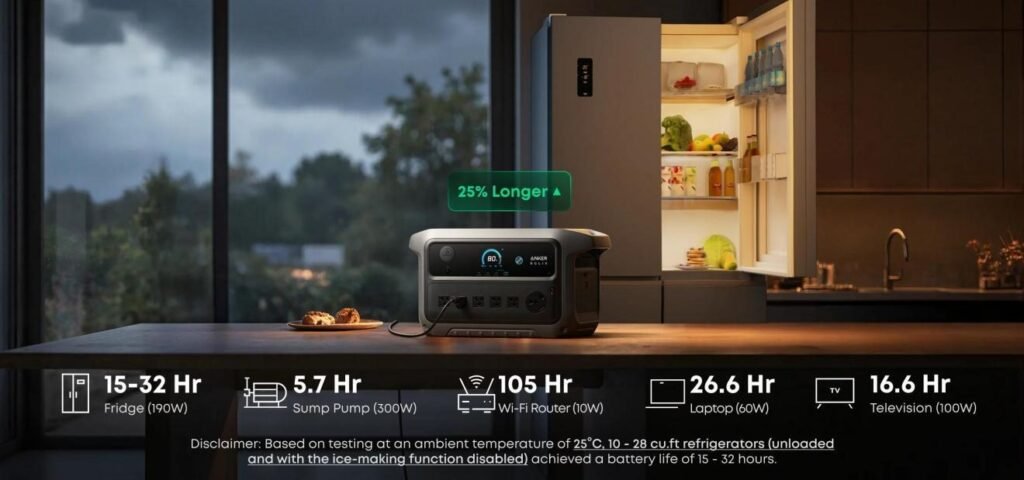
The Anker SOLIX Home Energy Storage solution showcases potency in home energy backup. With the ability to expand up to 4kWh, it guarantees power availability for essential appliances, such as refrigerators, for extended durations. Efficient solar panel alignment and fast recharging features mean minimal downtime even during prolonged outages. Anker’s home solutions ensure security, adaptability, and optimal performance when integrated into household power systems.
Portable vs Home Solar Generator: Side-by-Side Comparison
Examining portable versus home solar generators reveals key differences that influence their suitability for different scenarios.
Power Output, Scalability, and Performance Differences
Home solar generators provide higher power output, ideal for sustaining household appliances during outages, while portable generators suit lighter power requirements for temporary use. Scalability varies; home systems often expand more significantly, accommodating growing power needs, whereas portable setups focus on mobility. Performance also diverges, with home systems maintaining energy flow for critical installations, contrasting the adaptability and convenience of portable units at diverse locations.
Cost, Maintenance, Portability, and Long-Term Value
Portable solar generators generally cost less upfront, offering cost-effective solutions for outdoor or emergency usage. Their maintenance is straightforward, focusing mainly on battery health and panel condition. Conversely, home solar generators require a greater initial investment but provide higher long-term value due to sustained energy savings and grid independence. Portability is the main advantage of portable models, whereas home systems offer permanent, reliable backup with less frequent upkeep, rewarding users through consistent long-term benefits.
Conclusion
Selecting between portable and home solar generators hinges on your specific power needs and usage context. Portable generators are excellent for mobile power, enabling independence in outdoor activities or emergencies with their ease of transport and setup features. In contrast, home solar solutions provide a robust, consistent power backup, safeguarding essential functions during outages and delivering significant long-term energy savings. Evaluate your priorities—whether mobility or permanence—to guide your choice between these two innovative, sustainable energy solutions.
