
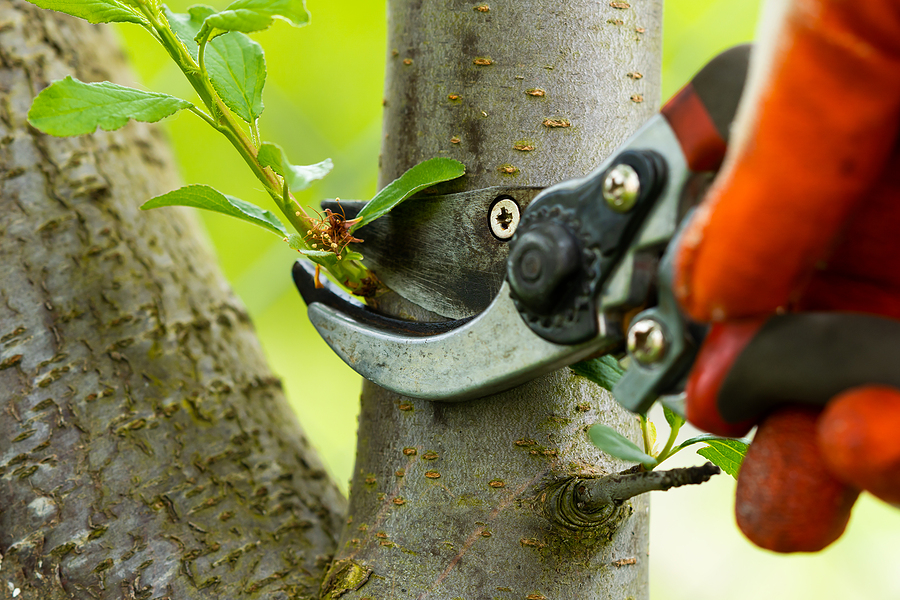
Introduction to Tree Pruning
Tree pruning is a fundamental practice in maintaining the health, safety, and aesthetics of trees in both residential and commercial landscapes. Unlike simple trimming, tree pruning involves the strategic removal of specific branches to enhance the tree’s structure, improve its growth, and prevent potential hazards. Properly executed pruning not only promotes longevity but also encourages healthier foliage, stronger branches, and better fruit or flower production in certain species. In addition to the biological benefits, pruning helps manage the overall appearance of trees, contributing to well-organized and visually appealing outdoor spaces. Regular tree pruning is essential for preventing overcrowded branches, removing dead or diseased wood, and minimizing risks associated with falling limbs. For homeowners, landscapers, and property managers, understanding the principles of tree pruning is crucial for achieving optimal results and ensuring long-term tree vitality.
Key Techniques in Tree Pruning
Tree pruning encompasses several techniques, each designed to achieve specific goals depending on the type of tree, its age, and its location. Crown thinning is one common method, which involves selectively removing branches within the canopy to increase light penetration and air circulation. This technique helps reduce the risk of disease while maintaining the natural shape of the tree. Crown raising, on the other hand, focuses on removing lower branches to provide clearance for pedestrians, vehicles, or structures, enhancing safety and accessibility. Another widely used method is crown reduction, which reduces the overall size of a tree while maintaining its natural form, making it suitable for urban environments where space is limited. For fruit-bearing trees, fruit thinning is a specialized pruning technique that improves fruit size, quality, and overall yield. Selecting the right pruning method requires careful assessment of the tree’s condition, growth patterns, and surrounding environment. Using the correct tools, such as pruning shears, loppers, saws, or pole pruners, ensures clean cuts that minimize stress and encourage proper healing.
Benefits of Tree Pruning
The advantages of tree pruning extend far beyond improving the tree’s appearance. One of the primary benefits is enhanced tree health. Removing dead, damaged, or diseased branches prevents the spread of pathogens and allows the tree to allocate resources more effectively to healthy growth. Safety is another critical benefit, as pruning reduces the risk of falling limbs that could damage property, vehicles, or injure people. Tree pruning also contributes to improved structural integrity by promoting strong branch development and reducing weak or overcrowded areas prone to breakage. Additionally, pruning enhances aesthetics, creating a well-balanced and visually appealing tree that complements its surrounding landscape. For fruit-bearing or flowering trees, pruning can improve production, ensuring higher-quality fruits and flowers while extending the tree’s productive lifespan. From a property value perspective, well-maintained trees enhance curb appeal and demonstrate responsible landscape management. Incorporating professional tree pruning services ensures these benefits are achieved efficiently and safely, particularly for larger or more mature trees that require expert care.
Choosing the Right Tree Pruning Approach
Selecting the appropriate tree pruning approach depends on several factors, including tree species, age, location, and desired outcomes. Some trees respond best to light, regular pruning, while others require more intensive intervention to correct structural issues or manage disease. For homeowners or property managers, hiring certified arborists or trained professionals ensures that the pruning is done according to industry standards, minimizing the risk of improper cuts that can harm the tree. Assessing the tree for signs of disease, pest infestations, or structural weakness is a critical first step in determining the best pruning strategy. Customized pruning plans take into account seasonal considerations, as some trees are best pruned during dormant periods, while others benefit from pruning immediately after flowering or fruiting. Highlighting tree pruning services on websites or informational materials can guide clients toward engaging professional expertise, providing reassurance that the trees will be maintained safely and effectively. Properly planned pruning ensures not only immediate benefits but also long-term improvements in tree health and appearance.
Best Practices for Maintaining Pruned Trees
Maintaining pruned trees requires attention to aftercare and monitoring to maximize the benefits of the pruning process. One key practice is regular inspection of newly pruned branches for signs of stress, disease, or improper healing. Mulching around the base of the tree helps retain soil moisture and provides a protective barrier, supporting healthy root development. Adequate watering and nutrient management are also essential, as pruned trees may require additional resources to recover and thrive. Timing is critical in pruning practices, as certain seasons promote better healing and growth. Avoiding over-pruning is equally important; excessive removal of foliage can weaken the tree and reduce its natural ability to photosynthesize. Educating staff or residents on proper care routines ensures that trees continue to flourish between professional pruning sessions. Integrating these practices with professional services strengthens the overall effectiveness of tree management strategies, guaranteeing long-term benefits. Using your tree pruning anchor text naturally in informational materials or guides can encourage proper tree maintenance and highlight expertise in the field.
Innovations and Trends in Tree Pruning
The field of tree pruning has seen significant innovations in recent years, enhancing efficiency, safety, and sustainability. Modern arborists now utilize specialized tools, such as pole pruners, chainsaws with precision cutting capabilities, and hydraulic lifts, to manage larger trees more effectively. Eco-friendly approaches, including organic fertilizers, biodegradable mulches, and reduced chemical use, align pruning practices with environmental stewardship. Data-driven strategies and digital mapping tools allow professionals to monitor tree growth patterns, identify areas needing intervention, and track pruning history for long-term planning. Additionally, research into tree biology has informed pruning techniques that minimize stress and encourage natural healing processes. Some arborists incorporate strategic pruning schedules that complement local climate conditions and specific species’ growth cycles. By staying updated on these trends, professionals can offer enhanced tree care services that improve outcomes while reducing labor and resource consumption. Incorporating professional tree pruning expertise with innovative practices ensures healthier trees and more sustainable landscape management.
Conclusion
In conclusion, tree pruning is an essential practice for maintaining healthy, safe, and visually appealing trees. By understanding key pruning techniques, selecting the right approach, and implementing best practices for aftercare, property managers, homeowners, and landscapers can ensure their trees thrive for years to come. The benefits of pruning include enhanced tree health, increased safety, improved aesthetics, higher fruit or flower yield, and elevated property value. Innovations in tools, techniques, and environmentally conscious practices continue to shape the field, making modern tree pruning both efficient and sustainable. Investing in professional services not only guarantees proper execution but also maximizes the long-term advantages of well-maintained trees. Overall, consistent and strategic tree pruning is a vital component of landscape management, ensuring trees remain resilient, beautiful, and beneficial to the surrounding environment.
