
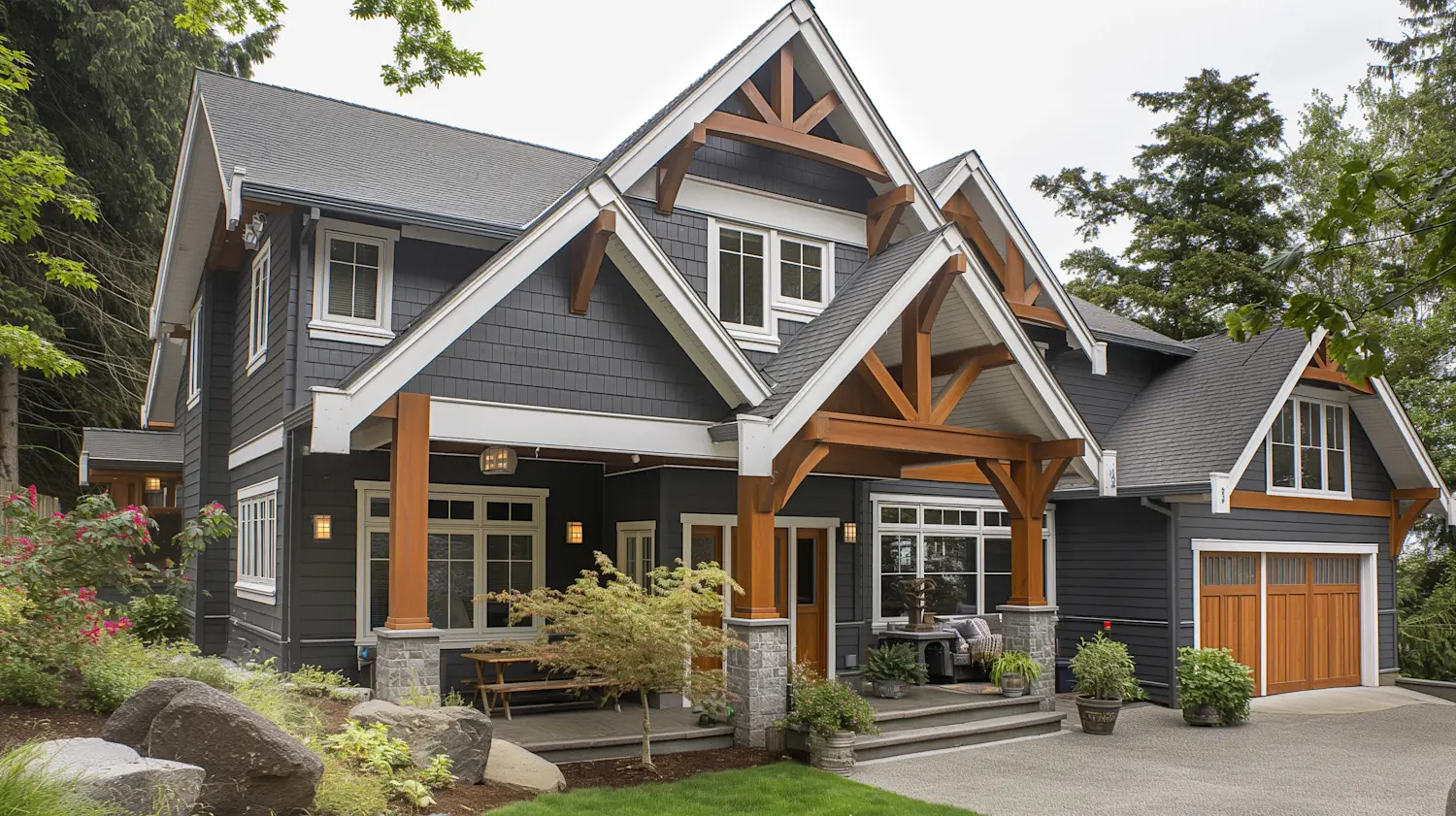
Siding is one of the most critical elements of a home’s exterior, serving both functional and aesthetic purposes. While many homeowners focus on interior renovations, the exterior of a home plays an equally significant role in protecting the structure from environmental elements and maintaining its value. Over time, siding can deteriorate due to weather exposure, moisture infiltration, pest activity, and general wear and tear. When these issues become noticeable, investing in professional siding replacement is essential to safeguard the structural integrity of the home, improve energy efficiency, and enhance overall curb appeal. A properly executed siding replacement project ensures that the home remains protected from the elements while also creating a fresh, modern look that can dramatically improve the property’s visual appeal.
Siding replacement is not just about aesthetics; it is also a preventive measure against potential damage to the home. Old or damaged siding can lead to water infiltration, which may cause wood rot, mold growth, and deterioration of the underlying structure. Furthermore, inefficient siding can negatively impact energy performance by allowing air leaks and heat loss during winter or excessive heat gain during summer months. Modern siding materials provide long-lasting durability, low maintenance requirements, and a variety of design options that allow homeowners to customize the look of their home while protecting it against environmental stressors. Choosing the right material, hiring experienced professionals, and adhering to proper installation standards are all critical factors in achieving a successful siding replacement that delivers both functional and aesthetic benefits.
The Role of Siding in Home Protection and Energy Efficiency
Siding serves as a protective barrier that shields the home from harsh weather conditions, including wind, rain, snow, and ultraviolet radiation from sunlight. It also plays a vital role in maintaining indoor comfort by improving insulation and reducing energy loss. When siding is damaged, gaps or cracks can allow moisture to penetrate the building envelope, potentially causing mold, mildew, and wood rot. Over time, this can compromise the structural integrity of the home and lead to costly repairs. In addition to protection, siding contributes to the overall appearance and style of a home. Well-maintained siding enhances curb appeal and can significantly increase property value. Homeowners considering a siding replacement project should recognize that the material they choose and the quality of installation will impact both the aesthetic outcome and the functional longevity of their home’s exterior.
There are a variety of siding materials available, each with unique characteristics. Vinyl siding is highly popular due to its low maintenance requirements, affordability, and resistance to moisture and pests. Fiber cement siding offers superior durability and fire resistance while mimicking the appearance of natural wood. Traditional wood siding provides timeless appeal but requires regular maintenance to prevent decay and insect damage. Metal siding, such as aluminum or steel, offers exceptional longevity and minimal upkeep. Engineered composite siding combines natural and synthetic materials to create durable, low-maintenance panels with a variety of finishes. Selecting the appropriate material depends on factors such as budget, climate, desired aesthetic, and long-term maintenance preferences.
Common Signs That Siding Replacement Is Necessary
Timely siding replacement can prevent more extensive damage to the home’s structure and maintain its energy efficiency. Several indicators suggest that it may be time to replace existing siding. Visible cracks, splits, or warping in siding panels are clear signs of material deterioration. Moisture damage often manifests as rot, mold, or mildew growth, particularly on wood or fiber cement siding. Fading or discoloration due to sun exposure can diminish the home’s aesthetic appeal. Loose, detached, or missing panels not only affect appearance but also leave the home vulnerable to environmental damage. In some cases, high energy bills may indicate that the existing siding is no longer providing adequate insulation, leading to heat loss or increased cooling demands. Addressing these signs promptly through professional siding replacement can prevent further deterioration and ensure that the home remains both visually appealing and structurally sound.
Planning and Preparing for a Siding Replacement Project
A successful siding replacement project begins with careful planning and preparation. Homeowners should first assess the current condition of their siding to determine whether a full replacement is necessary or if selective repairs will suffice. Understanding the desired aesthetic outcome, budget limitations, and preferred siding materials is essential before initiating the project. Proper preparation also includes evaluating the existing exterior structure for any hidden damage or weaknesses in the sheathing or framing, as these issues must be addressed prior to installation to ensure the longevity of the new siding. Homeowners should consider consulting with experienced contractors who specialize in siding replacement, as professional guidance ensures that material selection, installation techniques, and finishing details meet both performance and aesthetic expectations. Preparing the surrounding area, including clearing landscaping and protecting windows and doors, facilitates a smooth replacement process and minimizes disruption.
Steps Involved in Siding Replacement
Siding replacement is a detailed process that involves several critical steps to ensure optimal performance and durability. The first step is the careful removal of old siding. This requires detaching trim, removing nails or fasteners, and ensuring that the underlying structure remains intact. Once the old siding is removed, the home’s substructure should be inspected thoroughly. Any damage, such as rot, mold, or structural deficiencies, must be repaired to provide a solid foundation for the new siding. Next, weather-resistant barriers and insulation are often installed to improve energy efficiency and prevent moisture intrusion. Installing the new siding panels follows, with careful attention to alignment, fastening, and sealing to prevent gaps or leaks. Finally, finishing touches such as trim, caulking, and flashing are applied to protect edges and corners, resulting in a polished and functional exterior. Each of these steps requires precision and adherence to manufacturer guidelines to ensure that the new siding performs as intended over the long term.
Choosing the Right Siding Material
Selecting the appropriate siding material is one of the most important decisions in a siding replacement project. Vinyl siding is favored for its affordability, low maintenance, and wide range of colors and textures. Fiber cement siding is known for durability, fire resistance, and the ability to replicate the appearance of natural wood. Wood siding provides traditional elegance and can be painted or stained, though it requires consistent maintenance to prevent decay. Metal siding offers excellent longevity, minimal upkeep, and resistance to environmental damage. Engineered composite siding combines the benefits of natural and synthetic materials to deliver a balance of durability, aesthetics, and low maintenance. Homeowners should weigh factors such as climate, desired appearance, maintenance requirements, and budget when selecting the most suitable siding material for their home.
Benefits of Siding Replacement
Investing in siding replacement offers numerous advantages for homeowners. Visually, new siding enhances curb appeal and can significantly increase property value. Functionally, it provides improved protection against weather, pests, and moisture infiltration. Modern siding materials can also enhance energy efficiency by providing better insulation and reducing heating and cooling costs. Low-maintenance siding options minimize ongoing upkeep and maintenance expenses. Finally, a professional siding replacement ensures long-term durability and peace of mind, protecting the home for decades.
Avoiding Common Mistakes During Siding Replacement
Homeowners should be mindful of common mistakes that can compromise a siding replacement project. Skipping inspection of the substructure can result in underlying issues that shorten the life of the new siding. Improper fastening or alignment may cause warping, buckling, or detachment of panels. Failing to seal around windows, doors, and corners can lead to water infiltration and subsequent damage. Selecting siding that is unsuitable for the climate or inconsistent with the home’s architectural style may create aesthetic and functional problems. Finally, attempting a full siding replacement without professional experience can result in errors that compromise both durability and appearance. Avoiding these mistakes ensures that the project delivers optimal long-term results.
Cost Considerations for Siding Replacement
The cost of siding replacement varies depending on factors such as material selection, home size, labor rates, and additional repairs. Vinyl siding is generally the most budget-friendly option, while fiber cement and engineered materials are higher in cost but offer increased durability and lifespan. Labor costs can fluctuate based on project complexity and regional pricing differences. While siding replacement represents a significant investment, it provides long-term benefits including increased property value, improved energy efficiency, and reduced maintenance expenses. Planning a detailed budget and consulting with professionals ensures that homeowners can achieve their desired results without unforeseen costs.
Maintaining New Siding After Replacement
Proper maintenance following a siding replacement is essential to preserve its appearance and functionality. Homeowners should conduct regular inspections for cracks, gaps, or signs of wear. Routine cleaning prevents mold, mildew, and dirt accumulation that can damage siding over time. Maintaining caulking and trim ensures water does not infiltrate vulnerable areas, and monitoring for insect activity prevents damage from pests. By adhering to these preventive measures, homeowners can maximize the lifespan of the siding and protect their investment.
Conclusion
Siding replacement is a critical home improvement project that delivers both aesthetic and functional benefits. By enhancing the exterior appearance, protecting the structure from environmental damage, and improving energy efficiency, new siding contributes to the long-term value and comfort of a home. Careful planning, proper material selection, professional installation, and ongoing maintenance ensure that siding performs effectively for decades. Addressing signs of wear promptly through professional siding replacement safeguards the home, enhances curb appeal, and provides peace of mind for homeowners. A well-executed siding replacement project not only transforms the look of a home but also reinforces its durability, energy efficiency, and overall protection against the elements.
