
Introduction to Residential Land Clearing
Residential land clearing is a fundamental step in preparing a property for construction, landscaping, or other development purposes. It is far more than simply cutting down trees or removing bushes; it involves a comprehensive assessment of the terrain, vegetation, soil stability, and drainage systems to ensure that the land is usable and safe for its intended purpose. A well-executed land clearing process not only creates a functional space but also enhances the property’s long-term value and usability. Homeowners often overlook the complexity involved, assuming it is a quick or straightforward task. However, without proper planning and execution, the results can be inefficient, environmentally damaging, and potentially hazardous. Therefore, understanding the process and the best practices for residential land clearing is essential for any successful project.
The Importance of Planning Before Clearing
Proper planning is the backbone of any successful residential land clearing project. Before a single tree is cut or a rock is moved, a thorough survey of the property should be conducted. This involves mapping out existing vegetation, identifying natural obstacles, determining the layout of future structures, and locating any underground utilities that may pose risks during excavation. Ignoring this step can result in damage to essential infrastructure, increased project costs, and potential safety hazards. Planning also includes developing a debris management strategy, deciding which vegetation will be removed, mulched, or preserved, and outlining the sequence of clearing to maintain efficiency. A carefully planned approach ensures that the land is prepared in a methodical and safe manner, minimizing the risk of unforeseen complications while setting the stage for sustainable and effective residential land clearing.
Environmental Considerations and Sustainable Practices
Residential land clearing has significant implications for the environment, and managing these impacts responsibly is critical. The removal of vegetation can alter soil composition, affect local water drainage patterns, and disrupt wildlife habitats. Therefore, it is vital to identify trees and plants that should be preserved and implement measures that minimize soil erosion and water runoff. Sustainable clearing practices, such as selective cutting, mulching, and replanting native species, not only protect the ecosystem but also improve soil fertility and long-term land stability. Maintaining natural water channels and avoiding unnecessary removal of ground cover reduces the risk of flooding and preserves essential habitats for local fauna. By integrating ecological awareness into residential land clearing projects, property owners can achieve functional, safe, and environmentally responsible results that balance development needs with conservation.
Essential Equipment for Residential Land Clearing
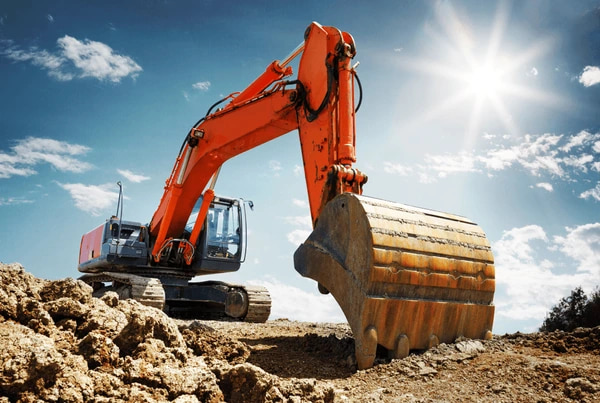
The tools and machinery used in residential land clearing play a crucial role in determining the efficiency and safety of the process. For smaller plots of land or areas with minimal vegetation, basic equipment such as chainsaws, hand saws, axes, and pruning tools may be sufficient. However, larger properties or densely wooded areas require heavy-duty machinery like bulldozers, excavators, and stump grinders to tackle thick underbrush and sizable trees effectively. Modern technology has introduced environmentally friendly machinery designed to reduce fuel consumption, limit soil compaction, and minimize environmental disruption. Equipment selection should consider the specific needs of the land, the density of vegetation, and the desired final appearance of the property. Proper maintenance of machinery and adherence to operational guidelines are critical to ensuring that the clearing process is efficient, safe, and produces the intended results. By choosing the right equipment and employing it correctly, homeowners and professionals can complete residential land clearing projects in a timely and environmentally conscious manner.
Safety Measures and Best Practices
Safety is a central concern during residential land clearing due to the use of heavy machinery, sharp tools, and the inherent risks of removing large trees or rocks. Protective gear, such as helmets, gloves, safety glasses, and sturdy footwear, is essential for anyone involved in the clearing process. Equally important is an understanding of the terrain and potential hazards, including uneven ground, hidden obstacles, or proximity to power lines and underground utilities. Following proper operational procedures, maintaining equipment, and having contingency plans in place are all integral to preventing accidents. In addition, awareness of environmental hazards, such as poisonous plants or wildlife encounters, contributes to overall safety. Prioritizing safety not only protects workers and homeowners but also ensures that the project proceeds without interruptions, delays, or costly damages. Adhering to safety protocols is an indispensable aspect of professional residential land clearing.
Legal and Regulatory Considerations
Before initiating residential land clearing it is crucial to consider the legal and regulatory framework governing the process. Many regions have zoning laws, tree protection ordinances, and environmental regulations that must be observed. Clearing land without obtaining the appropriate permits or failing to comply with local laws can result in fines, legal disputes, or even mandatory restoration of the property. Professional contractors are often well-versed in these requirements, streamlining the permitting process and ensuring compliance with all legal obligations. Understanding and adhering to these regulations is an essential step in planning residential land clearing, as it safeguards property owners from legal complications and ensures that the project is carried out responsibly and ethically.
Cost Factors and Budgeting
The cost of residential land clearing can vary significantly depending on several factors, including the size of the property, the density and type of vegetation, the equipment used, and the method of debris disposal. While some homeowners may attempt to reduce expenses by performing the clearing themselves, this approach often results in inefficiency, increased risk, and potential property damage. Hiring professional services may initially appear more costly but often proves to be a cost-effective choice in the long term, as it ensures proper execution, reduces the risk of errors, and complies with environmental and legal standards. Detailed budgeting should include equipment costs, labor, debris management, permits, and any environmental mitigation measures required. By carefully considering these factors, homeowners can achieve a balance between cost efficiency and the high quality of residential land clearing outcomes.
Post-Clearing Maintenance and Land Use
Once residential land clearing is complete, ongoing maintenance is essential to preserve the usability and safety of the property. Regular monitoring of vegetation regrowth, soil health, and drainage systems helps prevent the return of unwanted plants and maintains the cleared area in optimal condition. Mulching, mowing, and controlled landscaping are effective strategies for keeping the property well-maintained while enhancing its aesthetic appeal. Incorporating drainage solutions, garden planning, or other functional landscaping elements during the post-clearing phase can increase the property’s long-term value and usability. Proper post-clearing maintenance ensures that the benefits of residential land clearing are sustained over time, providing a functional, safe, and attractive environment for residential purposes.
Long-Term Benefits of Residential Land Clearing
The advantages of residential land clearing extend far beyond the immediate benefits of preparing a site for construction or landscaping. Cleared land improves accessibility, reduces fire hazards, and allows for better management of pests and invasive species. Furthermore, it creates an open and usable space that can be transformed into gardens, outdoor recreational areas, or additional structures, enhancing the overall value of the property. By investing in careful planning, sustainable practices, and proper maintenance, property owners can enjoy a lasting transformation of their land that contributes to environmental stability, aesthetic appeal, and functional usability. Residential land clearing, when performed strategically and responsibly, offers long-term rewards that far exceed the initial effort and expense.
Conclusion: Making the Most of Your Land
Residential land clearing is a complex and essential process that requires careful planning, professional execution, and ongoing maintenance. It involves understanding the terrain, evaluating environmental impacts, selecting appropriate equipment, adhering to safety protocols, complying with legal requirements, and managing costs effectively. By approaching land clearing with a focus on both functionality and sustainability, property owners can transform their land into a safe, attractive, and usable space that meets their residential needs. The investment in residential land clearing pays off not only in immediate improvements but also in long-term value, environmental responsibility, and enhanced quality of life. Whether the goal is construction, landscaping, or general property improvement, mastering residential land clearing ensures that the land is prepared for current use while remaining sustainable and beneficial for future generations.
